



Electrical Safety Standards for Healthcare Facilities: A Technical Guide

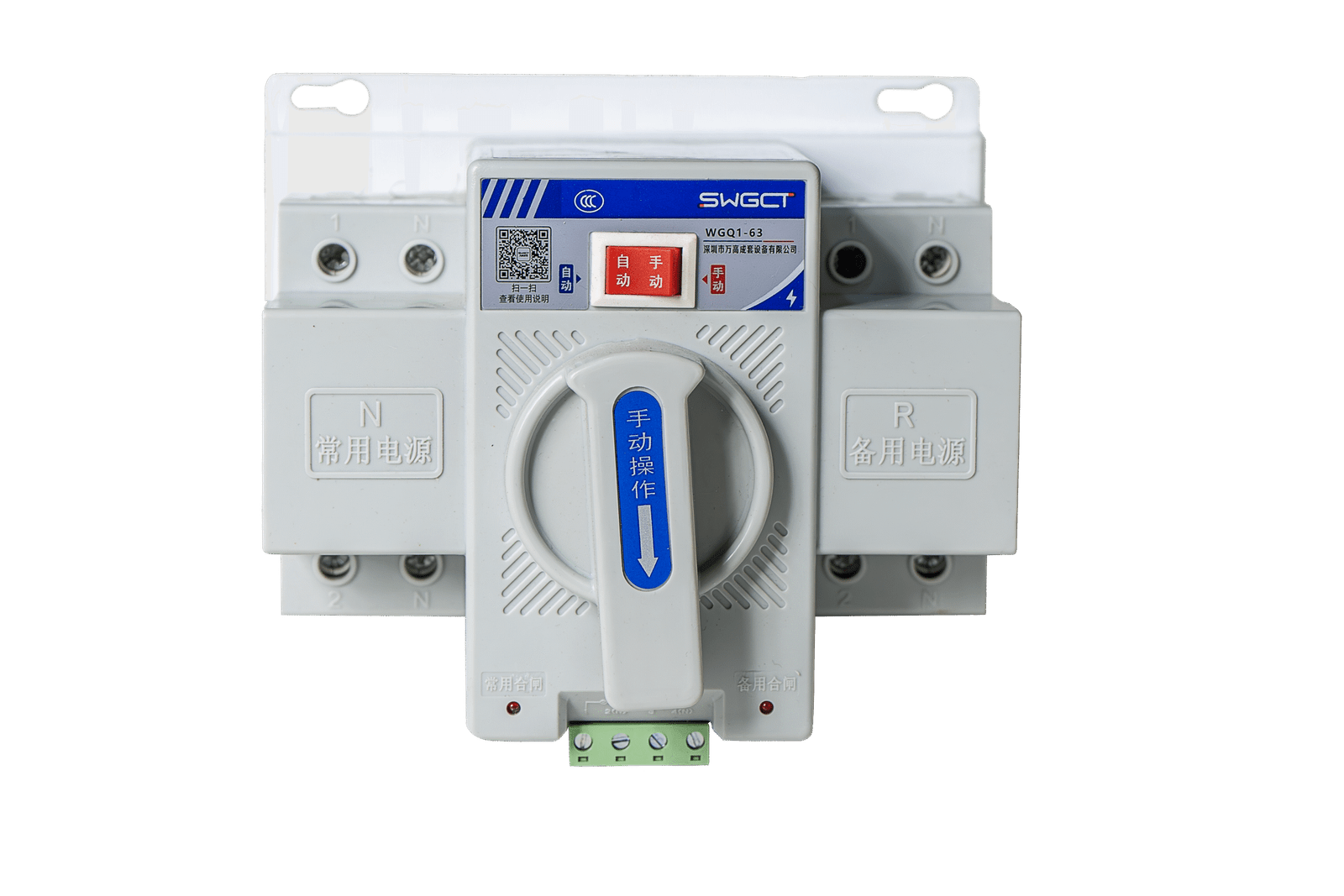
Healthcare environments present the most stringent electrical safety requirements of any building type. Patient lives depend on continuous, clean power delivery—making automatic transfer switches and protection devices subject to rigorous standards and testing protocols.
NFPA 99 and Healthcare Electrical Infrastructure
The National Electrical Code and NFPA 99 (Health Care Facilities Code) establish specific requirements:
- Essential Electrical Systems (EES): Must provide power within 10 seconds of utility failure
- Life Safety Branch: Illumination and alarm systems requiring instantaneous transfer
- Critical Branch: Patient care areas with delayed automatic or manual transfer options
- Equipment System: Major building equipment with longer transfer time allowances
ATS Specifications for Medical Applications
Hospital-grade automatic transfer switches require specialized features:
Medical Isolation Transformers: Often integrated with ATS units serving operating rooms and intensive care units, providing isolated power for patient vicinity applications.
Dual ATS Configurations: Redundant switching arrangements ensuring no single point of failure for the most critical loads.
Closed Transition Transfer: “Make-before-break” switching eliminating even momentary power interruptions—essential for sensitive medical imaging equipment.
Bypass/Isolation Capabilities: Allowing maintenance and testing without disrupting patient care areas.
Testing and Maintenance Protocols
Healthcare facilities must implement stringent ATS testing schedules:
- Monthly: Functional testing of transfer mechanisms
- Quarterly: Full-load testing with building generators
- Annual: Calibration and contact inspection
- Every 3-5 years: Complete internal inspection and arc chute replacement
Emerging Technologies in Medical Power Systems
The healthcare electrical landscape continues evolving:
Smart ATS Systems: Remote monitoring capabilities allowing facility managers to verify transfer switch status from central stations, with automated alerts for abnormal conditions.
Lithium-Ion Battery Integration: Some facilities now pair ATS systems with battery energy storage, providing instantaneous ride-through during generator startup sequences.
Microgrid Capabilities: Advanced ATS units enabling seamless transitions between utility, generator, and renewable sources for resilient healthcare campuses.
Global Standards Considerations
International healthcare projects must navigate varying standards:
- IEC 60364-7-710 (Medical locations)
- BS 7671 Requirements for Electrical Installations (UK)
- AS/NZS 3009 (Australian emergency power supplies)
Conclusion
Healthcare electrical systems represent the intersection of engineering precision and life safety. Specifying and maintaining quality automatic transfer switches and electrical protection systems ensures these critical facilities maintain their most important metric: uninterrupted patient care.


