



RCD Breaker Guide: 15 Essential Facts for Electrical Safety


📊 Comprehensive Outline for “RCD breaker”
| Heading Level | Topic |
|---|---|
| H1 | RCD Breaker Guide: 15 Essential Facts for Safety |
| H2 | Introduction to RCD breaker |
| H2 | How an RCD breaker works |
| H2 | Types of RCD devices |
| H2 | Key components inside |
| H2 | Common applications |
| H2 | Benefits of using RCD protection |
| H2 | Limitations and considerations |
| H2 | RCD vs MCB comparison |
| H2 | Installation guidelines |
| H2 | Maintenance tips |
| H2 | Future trends in protection devices |
| H2 | Buying guide |
| H2 | FAQs |
| H2 | Conclusion |
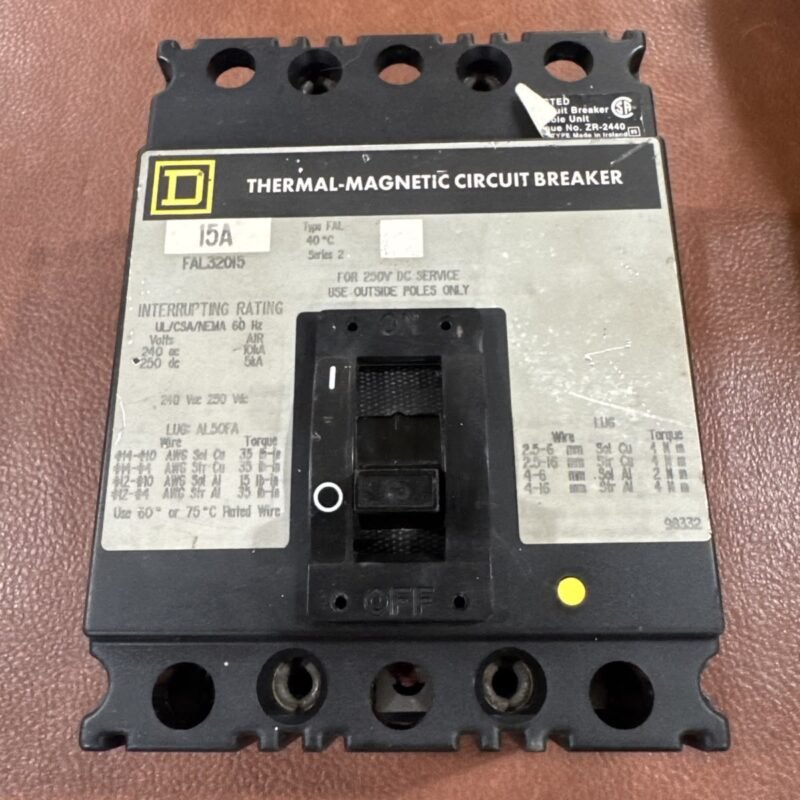
Introduction to RCD breaker
An RCD breaker (Residual Current Device) is a life-saving electrical protection device designed to prevent electric shock and reduce the risk of fire caused by electrical faults. It works by detecting imbalances in electrical current and disconnecting power instantly when a fault occurs.
In modern electrical systems, an RCD breaker is essential for ensuring safety in homes, commercial buildings, and industrial environments.
How an RCD breaker works
An RCD breaker continuously monitors the flow of current between live and neutral wires.
Leakage Detection Principle
If the current flowing out differs from the current returning, the RCD breaker detects leakage—often caused by a person touching a live wire or faulty insulation.
Instant Disconnection Mechanism
Once a fault is detected, the device trips within milliseconds, cutting off the electricity supply and preventing harm.
Types of RCD devices
Standard RCD
Provides basic protection against leakage currents.
RCBO (RCD + MCB)
Combines residual current protection with overload and short-circuit protection.
Portable RCD
Used for temporary setups or outdoor equipment.
Key components inside
An RCD breaker consists of:
- Current transformer
- Tripping mechanism
- Test button
- Relay system
These components work together to detect faults and disconnect power quickly.
Common applications
Residential use
Protects household circuits, especially in kitchens and bathrooms.
Commercial buildings
Used in offices to protect electrical equipment and personnel.
Industrial environments
Ensures safety in factories with heavy machinery.
Benefits of using RCD protection
Personal safety
The primary benefit of an RCD breaker is protection against electric shock.
Fire prevention
Prevents electrical fires caused by leakage currents.
Compliance with regulations
Many countries require RCD protection in electrical installations.
Limitations and considerations
No overload protection
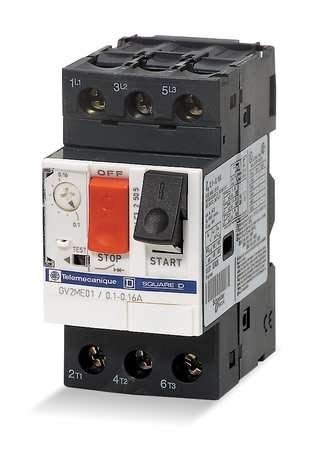
An RCD breaker does not protect against overload unless combined with an MCB.
Nuisance tripping
Sensitive devices may trip unnecessarily due to minor fluctuations.
RCD vs MCB comparison
| Feature | RCD breaker | MCB |
|---|---|---|
| Protection type | Leakage | Overcurrent |
| Purpose | Safety | Equipment protection |
| Response | Instant | Moderate |
Installation guidelines
- Install in distribution boards
- Use proper rating (e.g., 30mA for personal protection)
- Ensure correct wiring
Maintenance tips
- Test regularly using the test button
- Inspect wiring connections
- Replace faulty units promptly
Future trends in protection devices
Modern systems are evolving with:
- Smart monitoring
- IoT-enabled breakers
- Remote diagnostics
Buying guide
When selecting an RCD breaker, consider:
- Sensitivity rating
- Load capacity
- Certification standards
For global safety standards, refer to:
👉 https://www.iec.ch/ (DoFollow external link to International Electrotechnical Commission)
Internal resources
Explore related protection and control topics:
👉 /surge-protective-device-spd
👉 /harmonic-resistant-capacitor
👉 /motion-control-sensor-guide
FAQs
1. What does an RCD breaker do?
An RCD breaker disconnects power when it detects current leakage.
2. Is an RCD breaker mandatory?
Yes, in many countries for safety compliance.
3. What is the standard sensitivity?
30mA is commonly used for personal protection.
4. Can it prevent electric shock?
Yes, it significantly reduces the risk.
5. Does it replace an MCB?
No, both are needed for full protection.
6. How often should it be tested?
At least once a month using the test button.
Conclusion
An RCD breaker is one of the most important safety devices in any electrical system. It protects lives, prevents fires, and ensures compliance with safety standards. Whether for residential or industrial use, installing an RCD breaker is a smart and necessary investment.