


Load Break Switch: Essential Guide to Safe Power Switching


Introduction to Load Break Switch
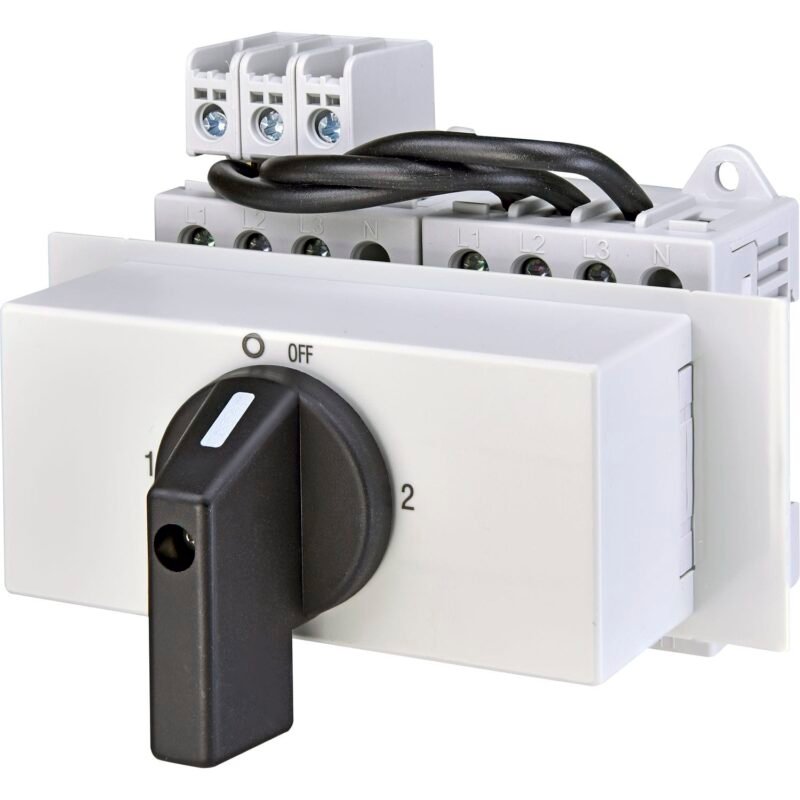
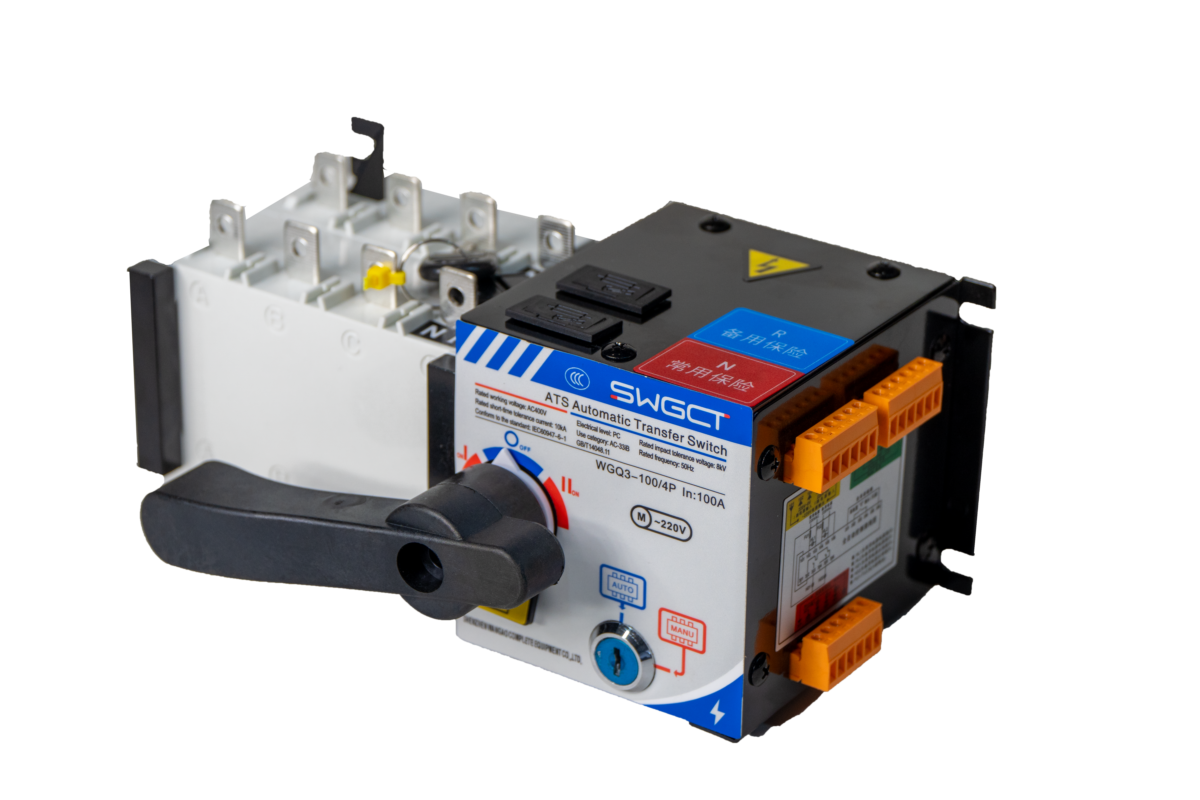
A load break switch is a mechanical switching device designed to safely interrupt or make electrical current under normal load conditions. It plays a crucial role in medium- and high-voltage systems by allowing operators to isolate sections of a circuit without shutting down the entire network.
In modern power distribution, a load break switch ensures safety, operational flexibility, and system reliability—making it a vital component in both industrial and utility environments.
Understanding Electrical Switching Basics
Before diving deeper, it’s important to understand why switching devices are needed:
- To control power flow
- To isolate faulty sections
- To ensure maintenance safety
Unlike circuit breakers, these switches are not designed to interrupt fault currents but are ideal for normal load operations.
How a Load Break Switch Works
A load break switch operates by opening or closing contacts inside the device while safely managing the electrical arc generated during switching.
Arc Extinguishing Mechanism
When the switch opens, an electrical arc forms. The device uses methods such as:
- Air insulation
- Gas (SF6) insulation
- Vacuum interruption
to quickly extinguish the arc and prevent damage.
Switching Under Load Conditions
The key feature of a load break switch is its ability to interrupt current without causing system instability or safety hazards.
Types of Load Break Switch
Different systems require different configurations.
Air Insulated Switches
- Simple design
- Cost-effective
- Suitable for outdoor use
Gas Insulated Switches
- Compact design
- High reliability
- Used in urban substations
Vacuum Load Break Switch
- Minimal maintenance
- High arc-quenching efficiency
Key Components of the Switch
A typical load break switch consists of:
- Contacts (fixed and moving)
- Operating mechanism
- Arc extinguishing chamber
- Insulation system
Each component ensures safe and reliable switching performance.
Applications in Power Systems
Distribution Networks
Used to isolate sections for maintenance or fault management.
Industrial Facilities
Protects machinery and ensures safe operation.
Renewable Energy Systems
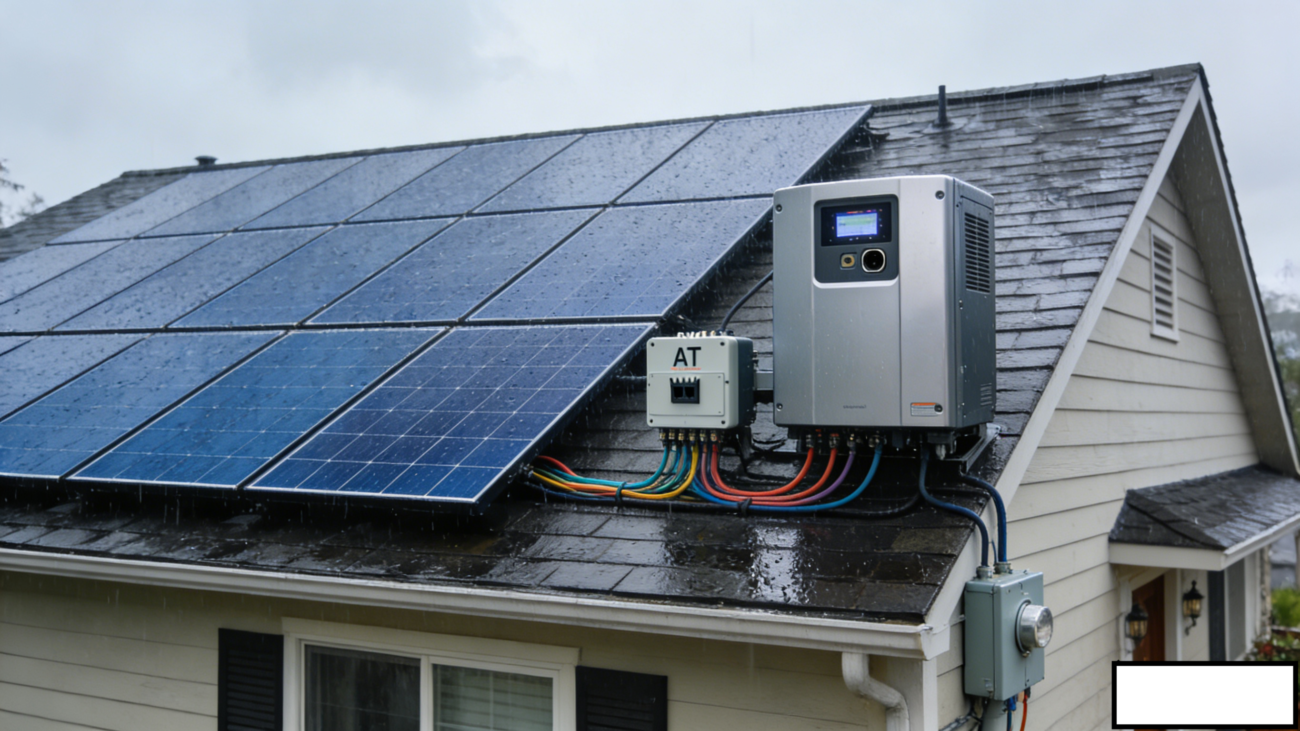
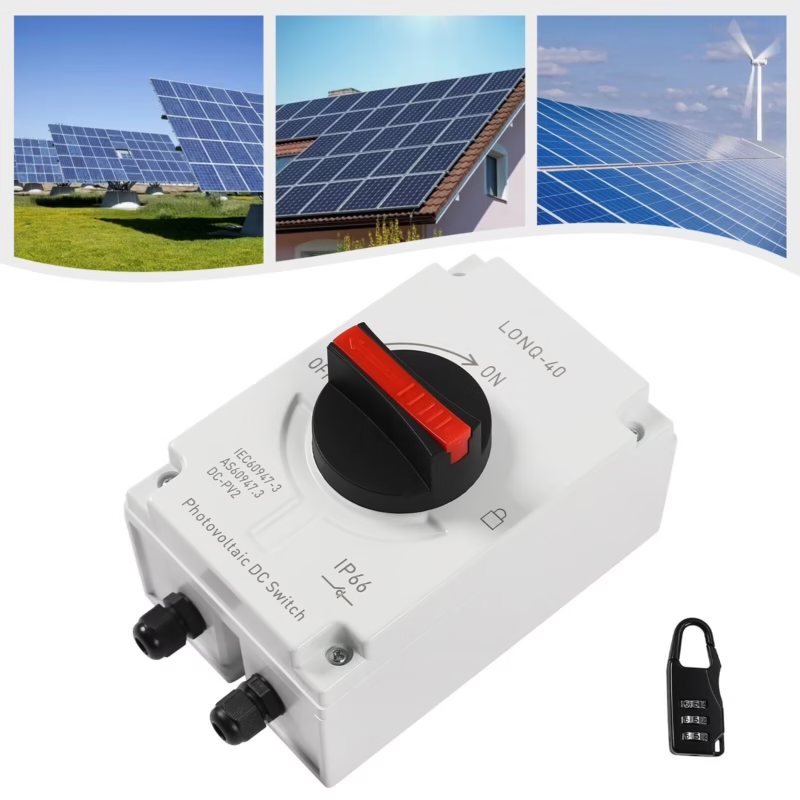
Supports switching in solar and wind power installations.
Advantages of Using This Switching Device
Operational Safety
Ensures safe isolation of electrical circuits.
Flexibility in Power Distribution
Allows selective control of power flow.
Cost Efficiency
Less expensive compared to circuit breakers.
Limitations to Consider
No Fault Current Interruption
Cannot handle short-circuit currents.
Manual Operation in Some Models
Some systems require manual switching.
Comparison with Circuit Breakers
| Feature | Load Break Switch | Circuit Breaker |
|---|---|---|
| Load Switching | Yes | Yes |
| Fault Protection | No | Yes |
| Cost | Lower | Higher |
Installation Best Practices
- Install at accessible locations
- Ensure proper insulation
- Follow safety standards
Maintenance Guidelines
- Regular inspection of contacts
- Check insulation integrity
- Lubricate moving parts
Future Trends in Switching Technology
Modern systems are evolving with:
- Smart monitoring
- Remote operation
- Integration with automation systems
Buying Guide
When selecting a switching device, consider:
- Voltage rating
- Current capacity
- Installation environment
For global electrical standards, refer to:
👉 https://www.iec.ch/ (DoFollow external link to International Electrotechnical Commission)
Internal Resources
Explore related topics:
👉 /harmonic-resistant-capacitor
👉 /surge-protective-device-spd
👉 /motion-control-sensor-guide
FAQs
1. What is a load break switch used for?
A load break switch is used to safely switch electrical circuits under normal load conditions.
2. Can it interrupt fault current?
No, it is not designed for fault interruption.
3. Where is it commonly used?
In distribution systems, industrial plants, and substations.
4. What is the difference from a circuit breaker?
Circuit breakers handle faults, while this switch handles load switching.
5. Is it safe to operate?
Yes, when used within its rated capacity.
6. Does it require maintenance?
Yes, periodic inspection is necessary.
Conclusion
A load break switch is an essential component in modern electrical systems, providing safe and efficient switching under normal operating conditions. It enhances system reliability, improves safety, and supports flexible power distribution.