



Electrical Protection Devices: Essential Guide to Safe and Reliable Power Systems

Introduction to Electrical Protection Devices
Electrical protection devices are essential components in modern electrical systems. They help protect circuits, equipment, and people from electrical faults such as overloads, short circuits, and voltage fluctuations. Without proper electrical protection systems, power failures and electrical accidents can lead to expensive equipment damage and serious safety risks.
Today, electrical safety devices are widely used in residential buildings, commercial facilities, factories, and renewable energy systems. These devices automatically detect abnormal electrical conditions and disconnect the power supply before major damage occurs. As industries continue to rely on complex electrical networks, the demand for reliable circuit protection devices continues to grow.
For a deeper understanding of electrical safety standards, visit:
👉 https://www.electrical4u.com/protection-system-in-power-system/
Why Electrical Protection Devices Are Important
Electrical faults can happen unexpectedly. High current, insulation failure, or equipment malfunction may damage electrical systems within seconds.
Electrical protection devices provide several important benefits:
- Prevent electrical fires
- Protect expensive equipment
- Reduce downtime
- Improve system reliability
- Enhance workplace safety
Power protection equipment ensures electrical systems operate efficiently while reducing operational risks.
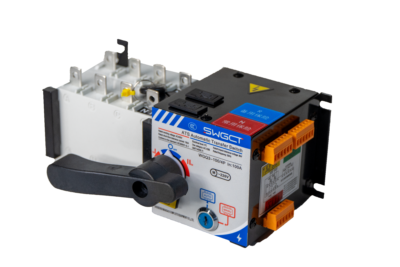
Types of Electrical Protection Devices
Several types of electrical circuit protection systems are used depending on the application and voltage level.
Circuit Breakers
Circuit breakers automatically interrupt current flow during overloads or short circuits.
Common types include:
- Miniature Circuit Breakers (MCB)
- Molded Case Circuit Breakers (MCCB)
- Air Circuit Breakers (ACB)
For reliable breaker solutions, explore:
👉 https://swgct.net/product-category/circuit-breaker/
Fuses
Fuses protect circuits by melting when excessive current passes through them. They are simple, affordable, and commonly used in low-voltage applications.
Protective Relays
Protective relays monitor electrical conditions and trigger breakers during faults. These devices are commonly used in industrial and utility systems.
Surge Protection Devices
Surge protectors safeguard equipment from voltage spikes caused by lightning or switching operations.
Residual Current Devices (RCDs)
RCDs protect people from electric shock by disconnecting power when leakage current is detected.
How Electrical Protection Systems Work
Electrical protection systems continuously monitor current, voltage, and other electrical parameters.
When abnormal conditions occur, the protection device reacts by:
- Detecting the fault
- Sending a signal or triggering mechanism
- Disconnecting the faulty section
This rapid response minimizes damage and improves safety.
To learn more about modern circuit breaker technology, visit:
👉 https://www.se.com/ww/en/work/products/explore/circuit-breakers/
Applications of Electrical Protection Devices
Residential Buildings
Homes use electrical safety devices to protect lighting systems, appliances, and wiring from overload conditions.
Commercial Buildings
Office buildings, shopping centers, and hospitals require advanced circuit protection devices for uninterrupted operation.
Industrial Facilities
Factories use heavy-duty power protection equipment to safeguard motors, transformers, and machinery.
Renewable Energy Systems
Solar and wind energy systems depend on electrical protection systems to maintain stable operation and prevent power disturbances.
Benefits of Using Electrical Protection Devices
Enhanced Safety
These devices significantly reduce the risk of electrical fires and electric shock.
Reduced Equipment Damage
Quick fault isolation prevents costly damage to electrical equipment.
Improved Reliability
Electrical systems remain stable and operational even during abnormal conditions.
Cost Savings
Preventing major failures reduces repair costs and operational downtime.
Choosing the Right Electrical Protection Devices
Selecting the correct protection equipment depends on several factors:
- Voltage level
- Current rating
- Application type
- Environmental conditions
- Safety standards
Businesses should always choose high-quality electrical protection systems from trusted suppliers.
You can explore professional electrical protection products here:
👉 https://swgct.net/product-category
Common Mistakes to Avoid
Many electrical issues occur because of poor system design or incorrect device selection.
Avoid these common mistakes:
- Using undersized breakers
- Ignoring breaking capacity
- Skipping regular maintenance
- Installing incompatible devices
Proper planning and maintenance ensure long-term system safety.
Future Trends in Electrical Protection Systems
Modern electrical protection devices are becoming smarter and more efficient.
Emerging trends include:
- Smart circuit breakers
- IoT-enabled monitoring
- AI-based fault detection
- Remote control and diagnostics
- Energy-efficient protection systems
These technologies improve system reliability while reducing maintenance costs.
Internal Resources for Circuit Protection
For additional electrical protection and breaker solutions, visit these internal resources:
These pages provide a range of electrical circuit protection systems suitable for industrial and commercial applications.
FAQs
1. What are electrical protection devices?
They are devices designed to protect electrical systems from overloads, short circuits, and electrical faults.
2. Why are circuit breakers important?
Circuit breakers disconnect power during dangerous conditions to prevent damage and improve safety.
3. What is the difference between a fuse and a circuit breaker?
A fuse melts during overload conditions, while a circuit breaker can be reset after tripping.
4. Where are electrical safety devices used?
They are used in homes, offices, factories, and renewable energy systems.
5. What are surge protection devices used for?
They protect equipment from sudden voltage spikes.
6. How often should protection devices be inspected?
Regular inspection is recommended to maintain safe and reliable operation.
Conclusion
Electrical protection devices are critical for maintaining safe and efficient electrical systems. From circuit breakers and relays to surge protectors and RCDs, these devices help prevent damage, improve reliability, and protect both people and equipment.
As electrical systems become more advanced, the role of electrical protection systems will continue to grow. Investing in high-quality circuit protection devices ensures long-term performance and operational safety.
For dependable protection solutions and professional-grade products, visit:
👉 https://swgct.net/product-category
👉 https://swgct.net/product-category/circuit-breaker/


