


Residual Current Breaker Guide for Electrical Safety

Introduction
A residual current breaker is an essential electrical safety device designed to protect people and equipment from leakage current and electric shock. Modern residential, commercial, and industrial electrical systems rely on residual current breaker technology to quickly disconnect unsafe circuits before serious accidents occur. This protective device helps reduce fire risks, improves operational reliability, and supports compliance with international electrical safety standards.
For additional information about electrical safety systems, you can visit:
👉 https://www.iec.ch/
👉 https://www.se.com/ww/en/work/products/explore/circuit-breakers/
What Is a Residual Current Breaker?
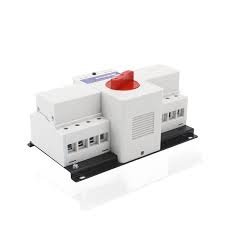
A residual current breaker monitors the flow of electricity within a circuit. When the device detects leakage current caused by damaged insulation, faulty equipment, or accidental contact, it disconnects the power supply immediately.
This rapid protection mechanism helps prevent:
- Electric shock injuries
- Electrical fires
- Equipment damage
- Dangerous leakage faults
The breaker continuously compares incoming and outgoing current values. If imbalance occurs, the system trips automatically.
Main Features of Residual Current Breaker Devices
Fast Leakage Detection
The device reacts within milliseconds when leakage current exceeds safe levels.
Improved Electrical Protection
It enhances safety in homes, factories, offices, and commercial buildings.
Easy Installation
Modern units are compact and compatible with most distribution panels.
Reliable Operation
Residual current protection systems operate efficiently with minimal maintenance.
Types of Residual Current Breaker
Two-Pole Devices
Commonly used in single-phase residential systems.
Four-Pole Devices
Installed in three-phase industrial power systems.
Fixed Sensitivity Models
Operate using predefined leakage thresholds.
Adjustable Protection Models
Allow customized sensitivity settings for specialized applications.
Applications of Residual Current Breaker
Residential Buildings
Protects household appliances, outlets, and lighting circuits.
Commercial Facilities
Improves employee safety in offices, shopping centers, and hotels.
Industrial Environments
Provides leakage protection for heavy electrical equipment and machinery.
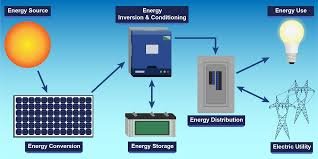
Renewable Energy Systems
Used in solar power and wind energy installations.
For industrial circuit protection products, visit:
👉 https://swgct.net/product-category
You can also explore related products here:
👉 https://swgct.net/product-category/circuit-breaker/
These internal links provide access to professional electrical protection solutions.
Difference Between Residual Current Breaker and MCB
| Feature | Residual Current Breaker | MCB |
|---|---|---|
| Leakage Protection | Yes | No |
| Overload Protection | No | Yes |
| Electric Shock Prevention | Yes | Limited |
| Main Purpose | Human safety | Circuit protection |
Both devices are often installed together for complete electrical protection.
Benefits of Using Residual Current Breaker
Enhanced Personal Safety
Reduces risk of electric shock accidents.
Fire Prevention
Stops leakage current before overheating occurs.
Equipment Protection
Protects sensitive electrical systems from insulation failure.
Regulatory Compliance
Supports modern electrical safety requirements.
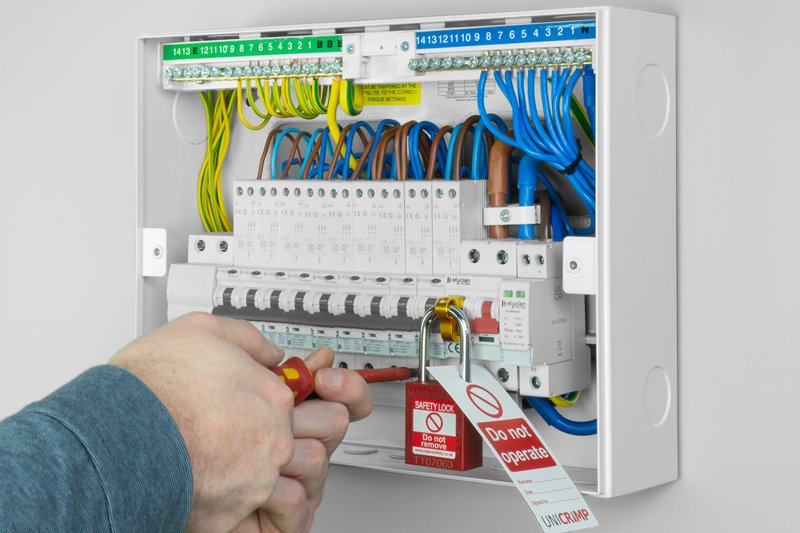
Installation Recommendations
Proper installation is important for reliable protection.
Best Practices
- Use certified electricians
- Follow local electrical codes
- Test devices regularly
- Verify system compatibility
Improper installation may reduce performance and safety.
Maintenance Tips
Routine maintenance ensures dependable operation.
Recommended Actions
- Test monthly using the test button
- Inspect wiring connections
- Replace damaged devices promptly
- Schedule periodic inspections
Regular testing confirms proper tripping performance.
Common Problems
Frequent Tripping
Possible causes include:
- Faulty appliances
- Moisture exposure
- Damaged wiring
Failure to Operate
This may indicate installation issues or internal component failure.
Professional inspection is recommended if problems continue.
Future Trends in Electrical Protection
Modern protection systems continue evolving through:
- Smart monitoring technology
- IoT-enabled breakers
- Remote diagnostics
- AI-assisted electrical protection systems
These innovations improve both safety and efficiency.
FAQs
1. What does a residual current breaker do?
It disconnects power when leakage current is detected.
2. Is this device required in homes?
Many electrical regulations recommend or require its installation.
3. Can it prevent electrical fires?
Yes, it helps reduce fire risks caused by leakage current.
4. How often should it be tested?
Monthly testing is generally recommended.
5. Does it replace overload protection?
No, overload protection usually requires an MCB.
6. Where is it commonly installed?
Homes, offices, factories, and renewable energy systems.
Conclusion
A residual current breaker is a critical part of modern electrical safety systems. It protects users from electric shock, minimizes leakage hazards, and improves overall electrical reliability. Proper installation and regular maintenance help ensure long-term performance and safety.
For reliable circuit protection products and professional electrical solutions, explore:
👉 https://swgct.net/product-category
👉 https://swgct.net/product-category/circuit-breaker/