



Automatic Transfer Switch: Complete Guide to Reliable Backup Power Systems


Introduction to Automatic Transfer Switch Systems
An automatic transfer switch is an essential device used in backup power systems to ensure uninterrupted electricity during power failures. Whether in homes, hospitals, factories, or data centers, this equipment automatically transfers electrical loads from the main utility supply to a standby generator whenever an outage occurs.
Modern facilities depend heavily on continuous electrical power. Even a short interruption can cause downtime, equipment damage, data loss, or safety risks. An automatic transfer switch helps eliminate these problems by providing a fast and reliable transition between power sources.
For businesses seeking dependable electrical protection and switching solutions, explore:
👉 https://swgct.net/product-category
To understand backup power standards and electrical safety guidelines, you can also visit:
👉 https://www.nfpa.org/
👉 https://www.se.com/ww/en/work/products/explore/transfer-switches/
What Is an Automatic Transfer Switch?
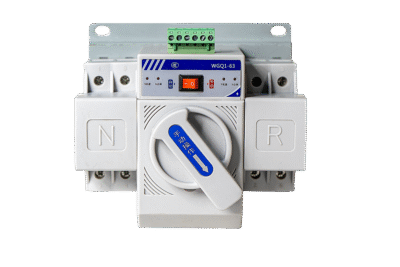
An automatic transfer switch, often called an ATS switch, is an electrical device that detects power failure and automatically shifts the electrical load to a backup source such as a generator.
When utility power returns, the switch safely reconnects the load back to the main power supply and shuts down the generator if needed.
Main Purpose of an ATS Switch
The primary purpose of this equipment is to:
- Maintain continuous power supply
- Protect sensitive electrical equipment
- Reduce downtime during outages
- Improve operational safety
Without an automatic switching system, facilities would need manual intervention during every outage, which can be dangerous and time-consuming.
How an Automatic Transfer Switch Works
The operation process is simple but highly effective.
Normal Operation
Under normal conditions:
- Utility power supplies the building
- The ATS monitors voltage and frequency
- The generator remains on standby
During a Power Failure
When utility power fails:
- The ATS detects the interruption
- It sends a signal to start the generator
- The electrical load transfers to backup power
Power Restoration
Once utility power stabilizes:
- The ATS reconnects to the utility source
- The generator cools down and stops
- Normal operation resumes automatically
This entire process usually takes only a few seconds.
Types of Automatic Transfer Switch
Different facilities require different ATS configurations.
Open Transition Transfer Switch
This type briefly disconnects power before switching sources. It is commonly called a “break-before-make” switch.
Advantages
- Lower cost
- Simple operation
- Reliable for general applications
Closed Transition Transfer Switch
This design briefly overlaps both power sources during transfer.
Advantages
- No interruption in power
- Ideal for critical systems
- Smooth transition process
Static Transfer Switch
A static ATS uses solid-state electronics rather than mechanical parts.
Advantages
- Extremely fast switching
- Suitable for data centers
- Reduced mechanical wear
Key Components of an ATS Switch
An automatic power transfer switch contains several important parts.
Controller Unit
The controller monitors power quality and manages transfer operations.
Switching Mechanism
This component physically transfers the electrical load between sources.
Sensors and Relays
Sensors detect voltage drops and activate switching commands.
Circuit Protection Devices
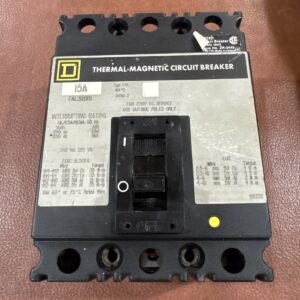
Circuit breakers protect the system from overloads and short circuits.
You can explore professional electrical protection products here:
👉 https://swgct.net/product-category
Benefits of Using an Automatic Transfer Switch
1. Continuous Power Supply
The biggest advantage is uninterrupted electrical service during outages.
2. Improved Safety
Automatic operation reduces human error and electrical hazards.
3. Equipment Protection
Sensitive devices are protected from sudden shutdowns and voltage instability.
4. Fast Power Restoration
The system reacts within seconds, minimizing downtime.
5. Convenience
No manual switching is required during emergencies.
Applications of Automatic Transfer Switch Systems
Residential Buildings
Homeowners use transfer switch systems with standby generators to maintain power during storms and utility failures.
Commercial Facilities
Offices and retail centers use ATS systems to protect lighting, security, and communication equipment.
Industrial Plants
Factories rely on backup power transfer systems to avoid production losses.
Hospitals and Data Centers
Critical facilities require uninterrupted electricity for life safety and data protection.
How to Choose the Right ATS Switch
Several factors should be considered before purchasing.
Power Capacity
The switch must match the electrical load requirements.
Voltage Rating
Choose equipment compatible with your electrical system voltage.
Transfer Speed
Critical applications require faster switching capability.
Generator Compatibility
Ensure the ATS works properly with the selected generator.
Compliance Standards
Always verify compliance with local electrical regulations and standards.
Installation Considerations
Professional installation is highly recommended.
Location Selection
Install the ATS in a dry, ventilated, and accessible area.
Proper Wiring
Incorrect wiring may cause system failure or safety hazards.
Routine Testing
Regular testing ensures the backup system remains operational.
For additional electrical installation guidelines, visit:
👉 https://www.eaton.com/us/en-us/products/low-voltage-power-distribution-control-systems/transfer-switches.html
Maintenance Best Practices
Proper maintenance extends equipment lifespan and reliability.
Recommended Maintenance Tasks
- Inspect wiring connections
- Test transfer operation regularly
- Clean dust and debris
- Check breaker conditions
- Verify control panel indicators
Routine inspections help prevent unexpected failures during emergencies.
Common Problems and Solutions
| Problem | Possible Cause | Solution |
|---|---|---|
| Generator fails to start | Battery issue | Replace or recharge battery |
| Delayed transfer | Sensor malfunction | Inspect control module |
| ATS overheating | Loose connections | Tighten terminals |
| Power instability | Voltage fluctuations | Check utility supply |
Future Trends in Automatic Transfer Switch Technology
The industry continues evolving with advanced features.
Smart Monitoring Systems
Modern ATS units support remote monitoring through mobile apps and cloud systems.
IoT Integration
Connected systems improve diagnostics and maintenance scheduling.
Energy-Efficient Designs
Manufacturers are developing more efficient and compact ATS solutions.
AI-Based Diagnostics
Artificial intelligence helps identify faults before failures occur.
FAQs
1. What does an automatic transfer switch do?
It automatically transfers electrical power from the utility source to a backup generator during outages.
2. Is an ATS required for standby generators?
Yes, most standby generator systems use an ATS for automatic operation.
3. How fast does an ATS transfer power?
Most systems switch power within a few seconds.
4. Can ATS systems be used in homes?
Yes, residential ATS systems are widely used with backup generators.
5. Does an automatic transfer switch require maintenance?
Yes, regular inspections and testing are recommended.
6. What industries use ATS systems most?
Healthcare, manufacturing, telecom, and data centers commonly use ATS equipment.
Conclusion
An automatic transfer switch is a critical component in modern backup power systems. It provides seamless power transfer, protects valuable equipment, and ensures continuous operation during outages.
Whether used in residential, commercial, or industrial environments, investing in a reliable ATS switch improves safety, efficiency, and operational stability.
For dependable electrical switching and protection products, visit:
👉 https://swgct.net/product-category