



Thermal Magnetic MCCB: Guide to Protection & Applications


Introduction
A thermal magnetic MCCB is one of the most widely used circuit protection devices in commercial and industrial electrical systems. The thermal magnetic MCCB combines thermal overload protection and magnetic short-circuit protection in a single molded case circuit breaker, helping improve electrical safety, reduce equipment damage, and maintain system reliability. Because of its dependable performance and cost-effective design, this type of breaker remains a preferred solution for power distribution applications worldwide.
Modern facilities depend on reliable protection against electrical faults. Whether installed in manufacturing plants, commercial buildings, data centers, or infrastructure projects, a properly selected thermal magnetic MCCB helps ensure safe and efficient operation.
What Is a Thermal Magnetic MCCB?
A thermal magnetic MCCB (Molded Case Circuit Breaker) is designed to interrupt electrical current when abnormal conditions occur. The device uses two separate trip mechanisms:
Thermal Trip Protection
The thermal element protects against overload conditions. When current exceeds the rated value for an extended period, a bimetal strip heats up and bends, causing the breaker to trip.
Magnetic Trip Protection
The magnetic element responds almost instantly to high fault currents caused by short circuits. This rapid response helps prevent severe damage to electrical equipment.
Together, these mechanisms provide comprehensive protection for electrical distribution systems.
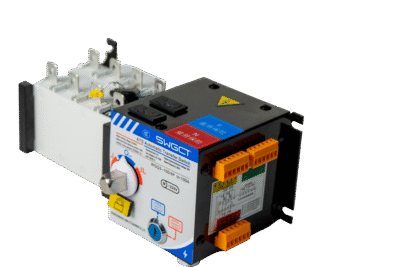
Key Features of a Thermal Magnetic MCCB
Dual Protection Technology
The breaker combines overload and short-circuit protection within a single device.
High Interrupting Capacity
Many models are capable of interrupting significant fault currents, making them suitable for demanding industrial applications.
Durable Construction
Molded case circuit breakers are engineered to withstand harsh operating environments and frequent operation.
Easy Installation
Most units are designed for straightforward installation in switchboards and distribution panels.
Benefits of Using a Thermal Magnetic MCCB
Improved Electrical Safety
The breaker automatically disconnects power during abnormal operating conditions, reducing fire and equipment damage risks.
Reliable Operation
Thermal-magnetic trip technology has been successfully used for decades across a wide range of industries.
Cost-Effective Protection
Compared with some advanced electronic trip solutions, thermal magnetic units often provide excellent value for standard applications.
Reduced Downtime
Fast fault isolation helps protect equipment and minimize operational interruptions.
Common Applications
A thermal magnetic MCCB can be found in:
- Industrial manufacturing facilities
- Commercial office buildings
- Shopping centers
- Hospitals
- Data centers
- Renewable energy installations
- Power distribution panels
These applications require dependable protection against overloads and short circuits.
How to Select the Right Thermal Magnetic MCCB
When choosing a breaker, consider:
Current Rating
Select a breaker rated for the expected load current.
Voltage Rating
Ensure compatibility with the electrical system voltage.
Breaking Capacity
The interrupting rating should exceed the maximum available fault current.
Environmental Conditions
Dust, humidity, temperature, and vibration may influence product selection.
Application Requirements
Motor circuits, feeder circuits, and distribution systems may require different protection characteristics.
Maintenance Recommendations
Routine maintenance can improve reliability and service life.
Recommended tasks include:
- Visual inspections
- Terminal connection checks
- Mechanical operation testing
- Thermal imaging inspections
- Cleaning dust and contaminants
A preventive maintenance program helps identify potential issues before failures occur.
Internal Resources
For additional circuit breaker solutions and electrical protection products, visit:
https://swgct.net/product-category
You can also explore molded case circuit breaker options and related electrical protection equipment through your company’s product categories.
Industry References
For technical standards and electrical protection guidance, consult:
https://new.abb.com/low-voltage
These organizations provide valuable information regarding circuit protection standards and best practices.

Frequently Asked Questions
What does a thermal magnetic MCCB protect against?
It protects electrical systems from overload currents and short-circuit faults.
Where is a thermal magnetic MCCB commonly used?
It is widely used in commercial buildings, industrial facilities, and electrical distribution systems.
What is the difference between thermal and magnetic protection?
Thermal protection responds to prolonged overload conditions, while magnetic protection responds instantly to short circuits.
Is a thermal magnetic MCCB suitable for motor protection?
Yes. Many industrial motor circuits use molded case circuit breakers for reliable protection.
How often should an MCCB be inspected?
Inspection frequency depends on operating conditions, but annual inspections are commonly recommended.
Conclusion
A thermal magnetic MCCB remains one of the most dependable solutions for electrical circuit protection. By combining thermal overload protection and magnetic short-circuit protection, it provides reliable performance across a wide range of industrial and commercial applications. Proper selection, installation, and maintenance help maximize safety, improve equipment reliability, and reduce downtime.


