


Dual Power Automatic Transfer Switch: Complete Guide to Reliable Power Transfer


Introduction to Dual Power Automatic Transfer Switch
A Dual Power Automatic Transfer Switch is an essential component in modern electrical systems that require continuous and reliable power. Whether used in hospitals, data centers, manufacturing plants, commercial buildings, or residential backup systems, this device automatically transfers electrical loads between the primary utility source and a secondary backup source whenever a power interruption occurs.
Power outages can result in operational downtime, equipment damage, and financial losses. By integrating a Dual Power Automatic Transfer Switch into an electrical infrastructure, organizations can maintain uninterrupted operations and improve overall system reliability.
For businesses seeking dependable electrical distribution products and power management solutions, visit our product category page:
Internal Link: https://swgct.net/product-category
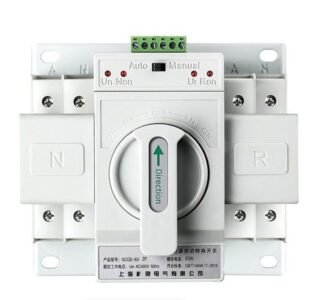
What Is a Dual Power Automatic Transfer Switch?
A Dual Power Automatic Transfer Switch (ATS) is an intelligent switching device designed to automatically transfer electrical loads from one power source to another.
Typically, the two power sources are:
- Utility (Main Power Supply)
- Generator (Backup Power Supply)
When the primary source fails or falls outside acceptable voltage limits, the ATS detects the problem and initiates a transfer to the backup source. Once utility power is restored and stabilized, the switch transfers the load back automatically.
This process occurs within seconds and often without requiring manual intervention.
How a Dual Power Automatic Transfer Switch Works
Monitoring the Main Power Supply
The ATS continuously monitors:
- Voltage levels
- Frequency
- Phase balance
- Power quality
When abnormal conditions occur, the controller activates the transfer sequence.
Starting the Backup Source
In generator-based systems, the switch sends a start signal to the generator.
The generator then:
- Starts automatically
- Reaches rated voltage
- Stabilizes frequency output
Load Transfer Operation
After verification of stable backup power, the ATS disconnects the main source and connects the backup source.
This prevents:
- Power interruptions
- Equipment shutdowns
- Data loss
Re-transfer to Utility Power
Once utility power returns to normal operating conditions, the ATS automatically reconnects the primary source and disconnects the generator.
Key Components of an Automatic Transfer Switch
Controller Unit
The controller acts as the system’s brain.
Functions include:
- Source monitoring
- Transfer logic
- Fault diagnostics
- Communication interfaces
Power Switching Mechanism
This component physically transfers electrical loads between sources.
Common designs include:
- Contactor-based ATS
- Circuit breaker ATS
- Motorized switch ATS
Monitoring Sensors
Sensors continuously collect data regarding:
- Voltage
- Frequency
- Current
- Phase sequence
Mechanical Interlocking System
Interlocks prevent simultaneous connection of two power sources, ensuring operational safety.
Benefits of a Dual Power Automatic Transfer Switch
Enhanced Power Reliability
The primary benefit is uninterrupted power supply during outages.
Critical facilities can continue operating without disruption.
Improved Safety
Automatic operation minimizes human intervention during emergencies.
This reduces:
- Switching errors
- Electrical hazards
- Equipment damage
Reduced Downtime
Downtime can be extremely costly.
An ATS minimizes interruptions and protects productivity.
Equipment Protection
Sensitive equipment benefits from stable and controlled power transitions.
Examples include:
- Servers
- Medical devices
- Industrial automation systems
Compliance with Industry Standards
Many facilities must meet backup power requirements specified by local electrical regulations and industry standards.
Applications of Dual Power Automatic Transfer Switch Systems
Hospitals and Healthcare Facilities
Medical equipment requires continuous power.
ATS systems ensure life-support and critical care equipment remain operational.
Data Centers
Data centers rely on uninterrupted power to prevent:
- Data corruption
- Server failures
- Network outages
Manufacturing Plants
Production lines often operate around the clock.
Power interruptions can halt operations and damage machinery.
Commercial Buildings
Office buildings use ATS solutions to support:
- Elevators
- Emergency lighting
- Security systems
- HVAC equipment
Telecommunications Infrastructure
Communication networks require continuous operation to maintain connectivity and service availability.
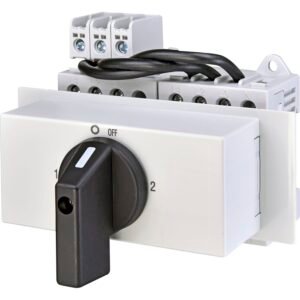
Types of Dual Power Automatic Transfer Switch
Open Transition ATS
Known as “break-before-make.”
The first source disconnects before the second source connects.
Advantages:
- Lower cost
- Simple operation
Closed Transition ATS
Known as “make-before-break.”
Allows momentary parallel connection between sources.
Advantages:
- Near-zero interruption
- Smooth power transition
Delayed Transition ATS
Introduces a short delay between disconnection and reconnection.
Useful for motor-driven loads.
Soft Load Transfer Switches
Designed for sensitive applications where seamless transitions are critical.
How to Select the Right Dual Power Automatic Transfer Switch
Load Capacity
Calculate total connected load requirements.
Common ratings include:
- 63A
- 100A
- 250A
- 400A
- 630A
- 1000A
Voltage Requirements
Verify compatibility with:
- Single-phase systems
- Three-phase systems
Transfer Speed
Critical facilities may require faster transfer times.
Installation Environment
Consider:
- Indoor installation
- Outdoor installation
- Dust levels
- Temperature conditions
Communication Features
Modern ATS solutions often support:
- RS485
- Modbus
- Ethernet
- Remote monitoring platforms
Maintenance Best Practices
Regular maintenance ensures reliable operation.
Recommended activities include:
Visual Inspection
Check for:
- Loose connections
- Corrosion
- Physical damage
Functional Testing
Simulate utility failure periodically.
Verify:
- Generator startup
- Transfer sequence
- Return sequence
Cleaning
Remove dust and contaminants from enclosures and contacts.
Firmware Updates
Update controller software when applicable.
Industry Standards and Certifications
Important standards include:
- IEC 60947
- IEC 61439
- UL 1008
- NFPA 110
Reference resources:
These standards help ensure safety, performance, and reliability.
Frequently Asked Questions
What is the purpose of a Dual Power Automatic Transfer Switch?
It automatically transfers electrical loads between utility power and backup power during outages.
How quickly does an ATS switch power sources?
Most systems transfer power within milliseconds to a few seconds depending on configuration.
Can an ATS work with solar systems?
Yes. Many modern ATS units support integration with solar and battery storage systems.
Does an ATS require maintenance?
Yes. Periodic inspection and testing are recommended to ensure reliable operation.
What industries commonly use ATS systems?
Healthcare, telecommunications, manufacturing, commercial buildings, and data centers.
Is a Dual Power Automatic Transfer Switch mandatory?
Certain critical facilities may be required by regulations to install automatic backup power transfer systems.
Conclusion
A Dual Power Automatic Transfer Switch is a critical component for ensuring uninterrupted power in modern electrical systems. By automatically transferring loads between utility and backup sources, it minimizes downtime, improves safety, and protects valuable equipment.
Whether for industrial facilities, healthcare institutions, commercial buildings, or data centers, investing in a high-quality ATS system significantly enhances operational reliability and business continuity.
For additional electrical distribution and power management products, visit: