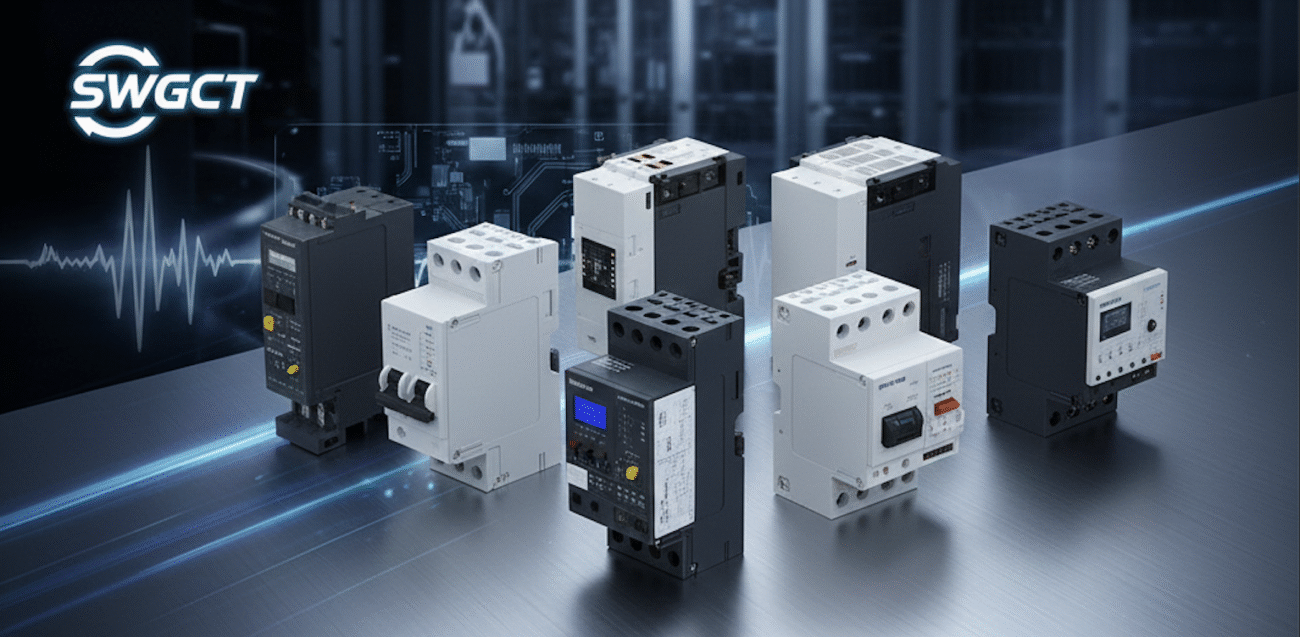



How Does a Circuit Breaker Work: Complete Guide to Electrical Protection


Introduction: How Does a Circuit Breaker Work in Modern Electrical Systems?
How does a circuit breaker work is one of the most important questions when learning about electrical safety and power distribution. A circuit breaker is an automatic protection device designed to stop electricity flow when it detects abnormal conditions such as overloads, short circuits, or electrical faults.
Unlike a simple switch, a circuit breaker can monitor electrical current continuously and disconnect power within a very short time when danger occurs. This prevents equipment damage, reduces fire risks, and improves the reliability of electrical systems in homes, commercial buildings, and industrial facilities.
Understanding the circuit breaker working process helps engineers, electricians, and equipment buyers choose suitable protection solutions for different applications.
For reliable circuit protection products, you can explore our electrical solutions here:
Internal link:
https://swgct.net/product
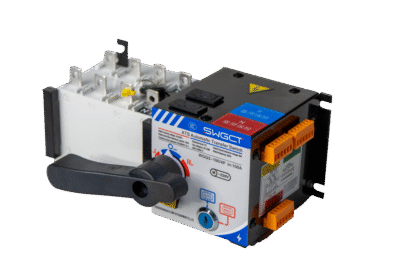
What Is a Circuit Breaker and How Does It Work?
A circuit breaker is an electrical switching device that automatically interrupts current when it detects unsafe operating conditions.
The basic purpose of a breaker is to protect:
- Electrical equipment
- Power distribution systems
- Industrial machinery
- Buildings and infrastructure
When everything operates normally, the circuit breaker allows electricity to flow continuously. However, when current exceeds a safe limit, the internal mechanism activates and separates electrical contacts.
This process stops electricity before serious damage occurs.
How Does a Circuit Breaker Work During Electrical Faults?
The operation of a circuit breaker depends on detecting abnormal electrical conditions and quickly disconnecting the circuit.
Circuit Breaker Working Principle During Overload Conditions
An overload happens when electrical equipment draws more current than the system is designed to handle.
Examples include:
- Too many devices connected to one circuit
- Heavy machinery operating beyond capacity
- Equipment malfunction
During overload conditions, thermal protection inside the breaker detects excessive heat caused by increased current.
The breaker mechanism then trips and disconnects the power supply.
How Circuit Breakers Work During Short Circuits: Circuit Breaker Operation Explained
A short circuit creates a sudden and extremely high current flow.
This can happen when:
- Electrical wires contact each other
- Insulation fails
- Internal equipment faults occur
During a short circuit, the magnetic protection mechanism inside the breaker reacts almost instantly.
The contacts separate, stopping current flow and preventing severe damage.
Main Components Behind Circuit Breaker Working Principle
Understanding the internal parts helps explain how circuit breakers work.
1. Electrical Contacts
The contacts connect and disconnect the electrical circuit.
When the breaker operates normally, the contacts remain closed. During faults, they separate to stop current flow.
2. Trip Unit
The trip unit is the control center of the breaker.
It identifies:
- Excess current
- Short circuits
- Abnormal electrical conditions
Different breakers use different trip technologies depending on their application.
3. Arc Extinguishing System
When electrical contacts separate, an arc may form.
The arc extinguishing system safely removes this electrical arc to ensure complete circuit interruption.
4. Operating Mechanism
The operating mechanism controls the opening and closing movement of the breaker contacts.
It allows:
- Manual switching
- Automatic fault protection
- System reset after troubleshooting
Different Types of Circuit Breakers and How Circuit Breakers Work
How Does an MCB Work in Electrical Protection Systems?
A Miniature Circuit Breaker (MCB) is mainly used in residential and small commercial applications.
It provides protection against:
- Overload
- Short circuits
MCBs use thermal and magnetic mechanisms to detect faults.
How Does an MCCB Work: Circuit Breaker Operation in Industrial Applications
A Molded Case Circuit Breaker (MCCB) is designed for higher current applications.
Compared with smaller breakers, MCCBs provide:
- Higher breaking capacity
- Adjustable protection settings
- Better industrial performance
They are widely used in:
- Factories
- Power distribution panels
- Large commercial facilities
How Does an ACB Work: Circuit Breaker Working Principle in Large Power Systems
Air Circuit Breakers (ACBs) are used for high-current applications.
They are commonly installed in:
- Main distribution boards
- Power stations
- Industrial electrical systems
ACBs use air as the medium to extinguish electrical arcs.
Why Understanding How Does a Circuit Breaker Work Matters
Knowing the working principle of circuit breakers helps users select the correct protection equipment.
Benefits include:
Improved Electrical Safety
Proper circuit protection reduces risks caused by electrical faults.
Equipment Protection
Circuit breakers prevent expensive machinery and devices from being damaged.
Better System Reliability
A correctly selected breaker improves overall electrical system stability.
Applications of Circuit Breakers: How Circuit Breaker Operation Supports Industries
Residential Electrical Systems
Homes commonly use circuit breakers for:
- Lighting circuits
- Household appliances
- Power outlets
Commercial Buildings
Office buildings and shopping centers require reliable protection for:
- HVAC systems
- Lighting networks
- Electrical panels
Industrial Power Systems
Factories depend on advanced breakers to protect:
- Motors
- Production equipment
- Automation systems
You can view our circuit breaker-related products here:
Internal link:
https://swgct.net/product
How to Choose the Right Circuit Breaker for Effective Electrical Protection
Selecting the correct breaker requires considering several factors.
Current Rating
The breaker must match the expected electrical load.
Breaking Capacity
The breaker should safely interrupt the maximum possible fault current.
Application Environment
Different environments require different protection levels.
Examples:
| Application | Suitable Breaker |
|---|---|
| Home circuits | MCB |
| Commercial systems | MCB/MCCB |
| Industrial equipment | MCCB/ACB |
Circuit Breaker Maintenance and Safety Tips
Even though breakers operate automatically, regular inspection is important.
Recommended practices include:
- Checking for overheating
- Inspecting connections
- Testing protection functions
- Replacing damaged components
Proper maintenance extends equipment lifespan and improves safety.
Future Development of Circuit Breaker Technology and Smart Protection Systems
Modern circuit breakers are becoming smarter through digital technology.
Future trends include:
- Smart monitoring
- Remote control systems
- IoT integration
- Real-time fault analysis
These technologies help companies improve energy management and reduce downtime.
Circuit Breaker Working Principle: External Resources for Electrical Protection
For additional technical information, readers can refer to:
- International Electrotechnical Commission (IEC) standards:
https://www.iec.ch/ - Schneider Electric circuit protection resources:
https://www.se.com/
These sources provide professional information about electrical protection standards and technologies.
Frequently Asked Questions (FAQs)
1. How does a circuit breaker work during an overload?
A circuit breaker detects excessive current and uses thermal protection to disconnect the circuit before damage occurs.
2. How does a circuit breaker work faster during a short circuit?
During short circuits, magnetic protection reacts immediately because the current increases suddenly.
3. What is the main purpose of a circuit breaker?
The main purpose is to protect electrical systems from overloads, short circuits, and electrical faults.
4. How often should circuit breakers be replaced?
Replacement depends on operating conditions, usage frequency, and manufacturer recommendations.
5. Can a circuit breaker prevent electrical fires?
Yes. By disconnecting dangerous current conditions, circuit breakers significantly reduce fire risks.
6. What is the difference between a fuse and a circuit breaker?
A fuse must be replaced after operation, while a circuit breaker can usually be reset and reused.
Conclusion: Understanding How Does a Circuit Breaker Work
Understanding how does a circuit breaker work helps businesses and professionals make better decisions about electrical protection. Circuit breakers are essential safety devices that protect equipment, improve reliability, and prevent dangerous electrical failures.
From residential applications to industrial power systems, selecting the correct breaker ensures efficient and safe operation.
For high-quality circuit protection solutions, visit:
A properly designed electrical protection system not only improves safety but also supports long-term energy efficiency and operational reliability.