



Difference Between MCB and RCCB: Complete Guide to Electrical Protection Devices

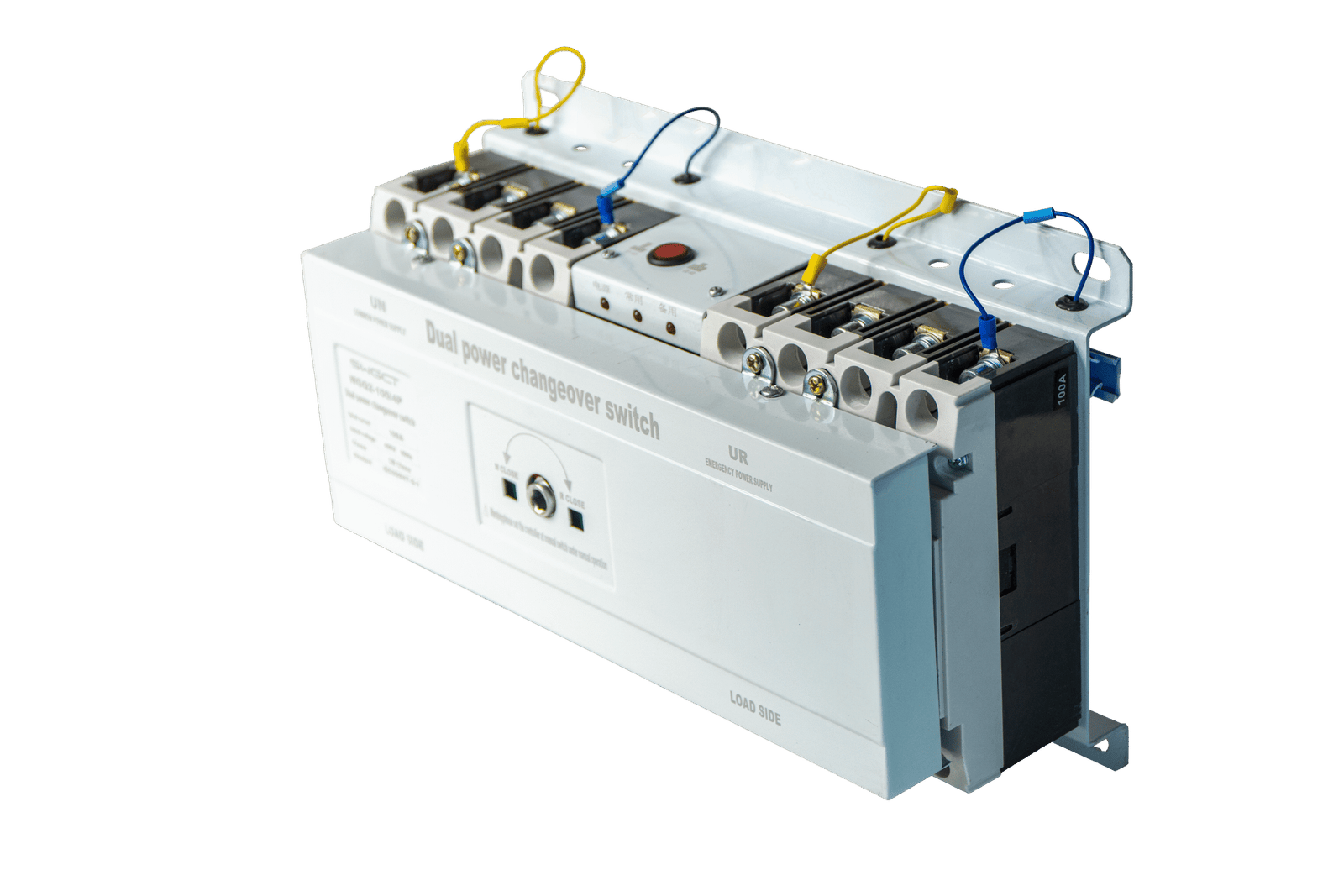
Introduction: Difference Between MCB and RCCB Explained
The difference between MCB and RCCB is an important topic when selecting electrical protection equipment for residential, commercial, and industrial applications. Although both devices are installed in electrical distribution systems, they protect against different types of electrical hazards.
An MCB mainly protects circuits from overload and short-circuit faults, while an RCCB focuses on preventing electric shock caused by current leakage. Understanding the MCB and RCCB difference helps engineers, electricians, and facility managers choose the correct protection solution for safer and more reliable electrical systems.
Modern electrical installations require multiple layers of protection. According to international electrical safety standards, proper circuit protection devices help reduce risks related to electrical faults and improve system reliability.
For professional circuit protection products, you can explore SWGCT electrical solutions here:
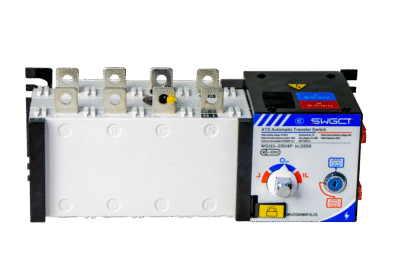
Understanding the Difference Between MCB and RCCB Protection Functions
What Is an MCB and How Does It Work?
An MCB (Miniature Circuit Breaker) is an automatic electrical switching device designed to protect circuits from excessive current.
When electrical equipment draws more current than the circuit can handle, the MCB automatically disconnects the power supply.
Main Functions of MCB
An MCB provides protection against:
- Overload conditions
- Short circuits
- Excessive current flow
MCBs are commonly installed in:
- Residential distribution boards
- Office electrical panels
- Small commercial buildings
- Lighting circuits
Because of their compact size and simple operation, MCBs have become one of the most widely used electrical protection devices.
What Is RCCB and Why Is It Important?
An RCCB (Residual Current Circuit Breaker) is designed to detect leakage current and protect people from electric shock.
Unlike an MCB, an RCCB does not primarily protect against overload. Instead, it monitors the difference between incoming and outgoing current.
If leakage occurs because electricity flows through an unintended path, such as a human body or damaged insulation, the RCCB quickly disconnects the circuit.
Key RCCB Protection Features
RCCBs provide:
- Electric shock protection
- Leakage current detection
- Additional electrical safety
They are especially important in:
- Bathrooms
- Kitchens
- Outdoor electrical systems
- Industrial environments
Key Difference Between MCB and RCCB in Electrical Systems
Difference Between MCB and RCCB Based on Protection Type
The biggest difference between MCB and RCCB is the type of protection they provide.
| Feature | MCB | RCCB |
|---|---|---|
| Main Protection | Overload and short circuit | Current leakage |
| Protects Equipment | Yes | Limited |
| Protects People from Shock | No | Yes |
| Detection Method | Excess current | Residual current |
MCB vs RCCB Comparison in Working Principle
An MCB operates by detecting abnormal current levels. When current exceeds the rated value, the internal mechanism trips.
An RCCB works differently. It compares the current flowing into and returning from a circuit. If there is an imbalance, it indicates leakage and disconnects the supply.
This difference makes both devices necessary in many modern electrical installations.
Difference Between MCB and RCCB in Applications
MCB Applications
MCBs are suitable for:
- Home appliances
- Lighting systems
- Small electrical equipment
- Distribution circuits
RCCB Applications
RCCBs are recommended for:
- Residential safety circuits
- Industrial machinery areas
- Wet environments
- Places requiring human protection
Difference Between MCB and RCCB in Advantages
Advantages of Using MCB
MCBs offer several benefits:
- Fast fault interruption
- Compact design
- Easy replacement
- Cost-effective protection
They are ideal for protecting electrical wiring and connected devices.
Advantages of RCCB Protection
RCCBs provide additional safety advantages:
- Reduces electric shock risks
- Detects insulation failures
- Improves workplace safety
- Protects users in hazardous environments
MCB and RCCB Difference in Installation Requirements
Choosing between MCB and RCCB depends on the electrical system requirements.
A complete protection system often combines both devices:
Power Supply → RCCB → MCB → Electrical Loads
In this arrangement:
- RCCB protects against leakage
- MCB protects against overload and short circuit
This combination provides comprehensive electrical safety.
How to Choose Between MCB and RCCB
When selecting electrical protection devices, consider:
1. Type of Protection Required
If the main concern is equipment protection, an MCB may be sufficient.
If personal safety is important, an RCCB should be installed.
2. Electrical Environment
Different environments require different solutions:
| Environment | Recommended Device |
|---|---|
| Home lighting | MCB |
| Industrial equipment | MCB + RCCB |
| Wet areas | RCCB |
| Commercial buildings | Combination protection |
3. System Requirements
Important factors include:
- Voltage rating
- Current rating
- Leakage sensitivity
- Installation standards
Why Combining MCB and RCCB Improves Electrical Safety
Many professional electrical systems use both devices because they perform different roles.
An MCB cannot replace an RCCB because it does not detect leakage current.
Similarly, an RCCB cannot fully replace an MCB because it does not provide complete overload protection.
Using both creates a safer electrical protection system.
Industrial Applications of MCB and RCCB Protection Devices
Industrial facilities often require advanced protection solutions due to:
- Heavy machinery
- High electrical loads
- Continuous operation
SWGCT provides electrical protection products suitable for different industrial applications.
More circuit protection solutions can be found here:
https://swgct.net/product-category/circuit-breaker
Future Trends in Electrical Protection Technology
Electrical protection technology continues to develop with:
- Smart circuit breakers
- Remote monitoring systems
- Digital protection devices
- IoT-based electrical management
Future protection systems will provide better safety, faster fault detection, and improved energy management.
International Electrotechnical Commission (IEC):
https://www.iec.ch
Schneider Electric Circuit Protection Guide:
https://www.se.com
Frequently Asked Questions (FAQs)
1. What is the main difference between MCB and RCCB?
The main difference between MCB and RCCB is their protection purpose. MCB protects against overload and short circuits, while RCCB protects against current leakage and electric shock.
2. Can RCCB replace an MCB?
No. RCCB and MCB perform different functions. A complete protection system usually requires both devices.
3. Which is safer, MCB or RCCB?
Both provide safety in different ways. RCCB offers additional protection against electric shock, while MCB protects electrical circuits.
4. Should homes use both MCB and RCCB?
Yes. Many modern homes install both devices for better electrical protection.
5. Where should RCCB be installed?
RCCBs are commonly installed in distribution boards, especially where people may contact electrical equipment directly.
6. How often should these protection devices be tested?
Regular testing is recommended according to electrical safety guidelines and manufacturer instructions.
Conclusion: Choosing the Right Protection Device
Understanding the difference between MCB and RCCB helps users make better decisions when designing safe electrical systems.
MCBs are mainly used for protecting circuits from overload and short circuits, while RCCBs provide additional protection against electrical leakage and shock hazards.
For complete electrical safety, many installations require both devices working together. Selecting reliable protection equipment from professional suppliers ensures better performance and long-term reliability.
Explore SWGCT electrical protection solutions:


