



Industrial Electrical Distribution System: A Complete Guide for Modern Industries

Industrial facilities depend on a stable and reliable electrical infrastructure to maintain production, automation, and operational efficiency. An industrial electrical distribution system is the foundation that delivers electrical power safely from the main supply source to machines, control systems, and other industrial equipment.
Unlike residential electrical systems, industrial distribution networks must handle higher power demands, complex machinery, sensitive automation equipment, and strict safety requirements. A properly designed system helps prevent unexpected downtime, protects expensive equipment, and ensures continuous industrial operations.
This guide explains what an industrial electrical distribution system is, how it works, its main components, applications, protection methods, and best practices for improving reliability.
What Is an Industrial Electrical Distribution System?
An industrial electrical distribution system is a network of electrical equipment and components designed to receive, control, protect, and distribute electricity throughout an industrial facility.
The system transfers electrical power from the utility source or generator to different industrial loads, including:
- Manufacturing machines
- Motors
- Automation systems
- Control panels
- Lighting systems
- HVAC equipment
- Data and communication systems
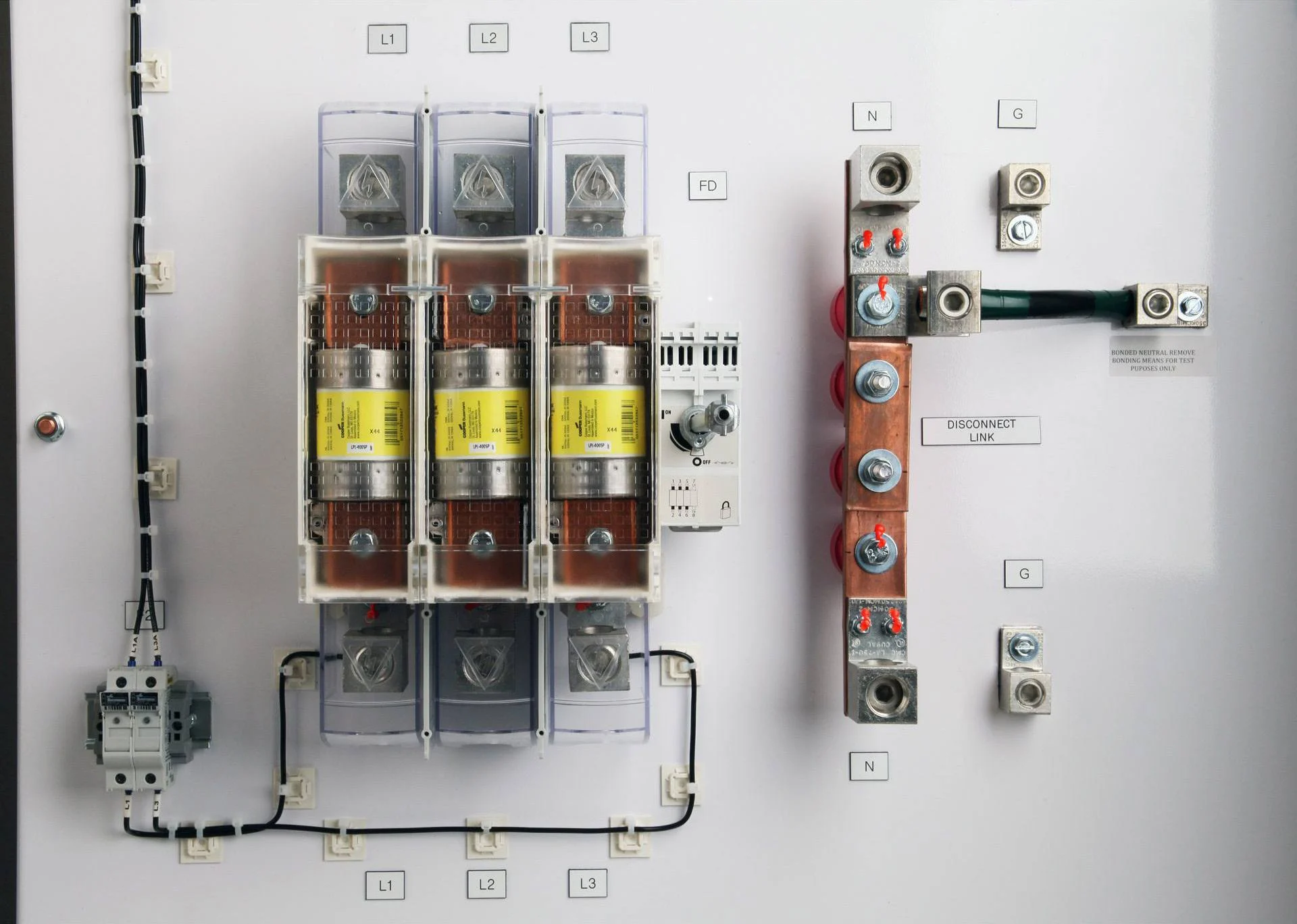
A complete industrial distribution system typically includes transformers, switchgear, distribution panels, circuit protection devices, monitoring systems, and grounding solutions.
Modern facilities also integrate advanced industrial electrical protection solutions to protect critical equipment from electrical faults and power disturbances.
How Does an Industrial Electrical Distribution System Work?
An industrial electrical distribution system follows a structured power flow process.
1. Power Receiving
Electrical power enters the facility through the main incoming supply.
The incoming voltage may come from:
- Utility grids
- Substations
- Generators
- Renewable energy sources
2. Voltage Transformation
Industrial facilities often use transformers to adjust voltage levels according to equipment requirements.
For example:
- Medium voltage supply from utilities
- Low voltage distribution for machines and control systems
3. Power Distribution
After voltage conversion, electricity is distributed through:
- Main switchboards
- Distribution panels
- Motor control centers
- Branch circuits
4. Equipment Protection
Protection devices continuously monitor electrical conditions and disconnect circuits when abnormal situations occur.
Common protection equipment includes:
- Circuit breakers
- Fuses
- Surge protection devices
- Ground fault protection systems
Key Components of an Industrial Electrical Distribution System
A reliable industrial distribution system consists of multiple components working together.
Industrial Transformers
Transformers are essential for changing voltage levels between the power source and industrial equipment.
They help ensure electrical systems operate at suitable voltage levels while improving efficiency.
Common applications include:
- Manufacturing facilities
- Processing plants
- Large commercial buildings
- Infrastructure projects
Switchgear Systems
Switchgear is one of the most important components in industrial power distribution.
It provides:
- Electrical isolation
- Circuit control
- Fault protection
- Safe maintenance operation
Industrial switchgear is commonly installed in:
- Power plants
- Factories
- Data centers
- Heavy industrial facilities
Distribution Panels
Distribution panels divide electrical power into multiple circuits and provide protection for downstream equipment.
They allow operators to safely manage electrical loads throughout the facility.
Motor Control Centers (MCC)
Many industrial facilities rely on motors for production processes.
Motor control centers provide:
- Motor starting control
- Overload protection
- Equipment monitoring
- Centralized management
Industries using MCC systems include:
- Manufacturing
- Water treatment
- Oil and gas
- Mining
Circuit Protection Devices
Electrical faults can cause equipment damage and safety risks.
Industrial facilities use protection devices such as:
- Circuit breakers
- Fuses
- Residual current devices
- Overcurrent protection equipment
These devices help isolate problems quickly and reduce damage.
Surge Protection Devices
Industrial environments often experience electrical disturbances caused by:
- Lightning strikes
- Motor switching
- Utility operations
- Variable frequency drives
Installing a suitable surge protection device (SPD) helps protect sensitive industrial equipment from transient overvoltages.
Types of Industrial Electrical Distribution Systems
Different industries require different distribution designs.
Low Voltage Industrial Distribution Systems
Low voltage systems are commonly used for:
- Factory equipment
- Lighting
- Control systems
- Small machinery
They typically operate below 1,000V.
Medium Voltage Industrial Distribution Systems
Medium voltage systems are used in facilities requiring higher power capacity.
Applications include:
- Large factories
- Mining operations
- Processing facilities
- Renewable energy installations
Primary and Secondary Distribution Systems
Industrial power networks often use both primary and secondary distribution.
Primary distribution handles higher voltage power transmission inside the facility.
Secondary distribution delivers usable voltage levels to individual equipment and loads.
Why Industrial Electrical Distribution Systems Are Important
A well-designed industrial distribution system provides several benefits.
Improved Operational Reliability
Manufacturing processes require continuous power.
Reliable electrical distribution reduces:
Enhanced Equipment Protection
Industrial machines represent significant investments.
Electrical protection systems help protect against:
- Short circuits
- Voltage surges
- Overloads
- Electrical faults
Better Energy Efficiency
Modern distribution systems allow companies to monitor and optimize energy consumption.
Energy management helps reduce unnecessary power usage and improve operating costs.
Improved Workplace Safety
Proper electrical design reduces risks related to:
- Electrical fires
- Equipment damage
- Arc faults
- Electric shock hazards
Industrial Electrical Distribution System Applications
Industrial electrical distribution systems are used across many sectors.
Manufacturing Plants
Manufacturing facilities require reliable power for:
- CNC machines
- Production lines
- Robotics
- Automation systems
Data Centers
Data centers depend on stable electrical distribution to maintain:
- Servers
- Cooling systems
- Backup power systems
Renewable Energy Facilities
Solar and energy storage projects require advanced electrical distribution and protection systems.
Specialized DC surge protection devices are commonly used to protect DC-side equipment.
Oil and Gas Facilities
These environments require highly reliable electrical systems due to demanding operating conditions.
Protection, monitoring, and safety are critical requirements.
How to Improve Industrial Electrical Distribution System Reliability
Companies can improve system performance through several strategies.
Use Proper Protection Coordination
Protection devices should work together to isolate faults without affecting unnecessary parts of the system.
Install Surge Protection
Electrical surges can damage industrial automation equipment.
A coordinated SPD system provides additional protection.
Perform Regular Maintenance
Routine inspection helps identify:
- Loose connections
- Aging components
- Overheating issues
- Protection failures
Monitor Electrical Performance
Modern monitoring systems provide real-time information about:
- Voltage
- Current
- Power quality
- Equipment status
Standards for Industrial Electrical Distribution Systems
Industrial electrical systems should follow recognized safety standards.
Important references include:
- IEC electrical standards
- IEEE electrical guidelines
- UL safety standards
The International Electrotechnical Commission (IEC) develops international standards covering electrical equipment safety and performance.
The UL Solutions provides safety standards and certification services for electrical products.
Compliance with recognized standards helps improve system safety and reliability.
Common Industrial Electrical Distribution Problems
Industrial facilities may experience several electrical challenges.
Voltage Surges
Sudden voltage increases can damage electronic equipment.
Solution:
Install appropriate surge protection devices.
Overloading
Excessive electrical demand can cause overheating and equipment failure.
Solution:
Proper load calculation and system design.
Poor Power Quality
Problems such as harmonics and voltage fluctuations can affect equipment performance.
Solution:
Use monitoring systems and power quality management.
Aging Infrastructure
Older electrical systems may become unreliable over time.
Solution:
Upgrade outdated components and protection systems.
How to Design an Effective Industrial Electrical Distribution System
A successful design should consider:
Power Requirements
Analyze:
- Total load demand
- Future expansion needs
- Equipment specifications
Safety Requirements
Include:
- Proper grounding
- Protection coordination
- Emergency shutdown systems
Environmental Conditions
Industrial environments may involve:
- Dust
- Moisture
- Heat
- Chemical exposure
Equipment selection should match operating conditions.
Maintenance Requirements
Design systems that allow safe inspection, testing, and replacement.
Frequently Asked Questions
What is an industrial electrical distribution system?
An industrial electrical distribution system is a network of electrical equipment used to distribute power safely from the main supply source to industrial machinery and facility loads.
What are the main components of an industrial electrical distribution system?
The main components include transformers, switchgear, distribution panels, motor control centers, circuit breakers, surge protection devices, and monitoring systems.
Why are surge protection devices important in industrial systems?
Surge protection devices protect sensitive industrial equipment from transient voltage spikes caused by lightning, switching operations, and electrical disturbances.
What industries need industrial electrical distribution systems?
Industries such as manufacturing, oil and gas, mining, renewable energy, data centers, and processing plants rely on industrial electrical distribution systems.
How can industrial electrical systems become more reliable?
Reliability can be improved through proper design, regular maintenance, monitoring systems, protection coordination, and quality electrical components.
What standards apply to industrial electrical distribution systems?
Common standards include IEC, IEEE, and UL requirements covering electrical safety, equipment performance, and system reliability.
Conclusion
An industrial electrical distribution system is a critical part of modern industrial infrastructure. It ensures electrical power is delivered safely and efficiently while protecting valuable equipment from faults, surges, and operational disruptions.
As industries continue to adopt automation and advanced technologies, reliable electrical distribution becomes increasingly important. By combining high-quality components, proper protection systems, and intelligent monitoring, businesses can achieve safer, more efficient, and more reliable electrical operations.
For professional electrical protection solutions, explore SWG’s surge protection solutions designed to support industrial electrical systems and critical applications.


