



Electrical Safety Protection Devices: A Complete Guide to Protecting Electrical Systems

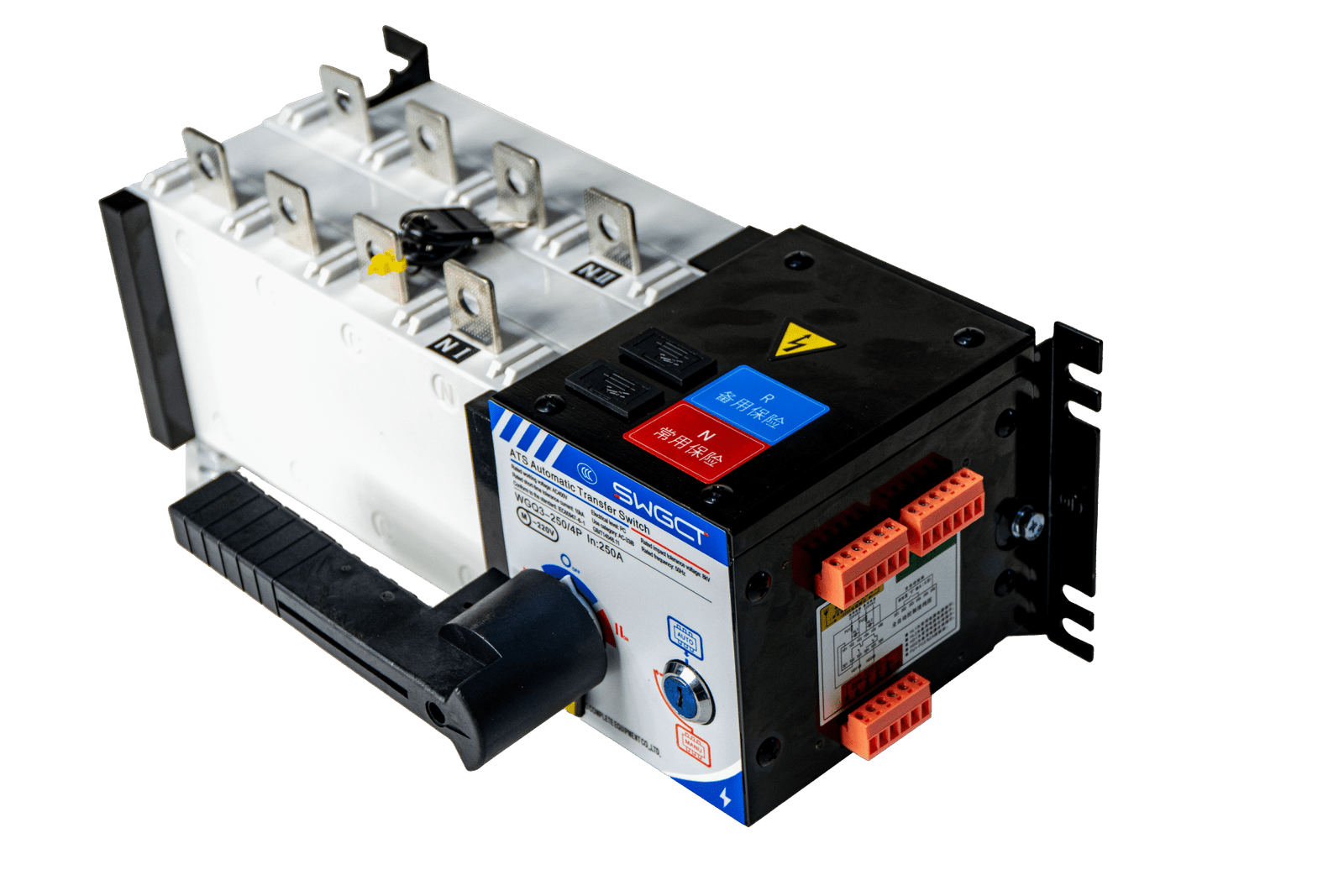
Electrical systems are essential for modern homes, commercial buildings, and industrial facilities. However, electrical faults, voltage surges, and equipment failures can create serious safety risks if proper protection measures are not implemented.
Electrical safety protection devices are designed to detect abnormal electrical conditions, prevent equipment damage, reduce safety hazards, and maintain reliable power operation. These devices form an important part of electrical installations by protecting both people and valuable electrical assets.
From circuit breakers and surge protection devices to grounding systems and residual current protection, electrical safety devices help create safer and more reliable power networks.
This guide explains what electrical safety protection devices are, their main types, applications, benefits, and how they improve electrical system performance.
What Are Electrical Safety Protection Devices?
Electrical safety protection devices are electrical components used to prevent damage and reduce risks caused by abnormal electrical conditions.
They monitor electrical systems and respond when dangerous situations occur, including:
- Overcurrent
- Short circuits
- Electrical leakage
- Voltage surges
- Ground faults
- Overvoltage conditions
Common electrical safety protection devices include:
- Circuit breakers
- Fuses
- Surge protection devices (SPDs)
- Residual current devices (RCDs)
- Grounding systems
- Protective relays
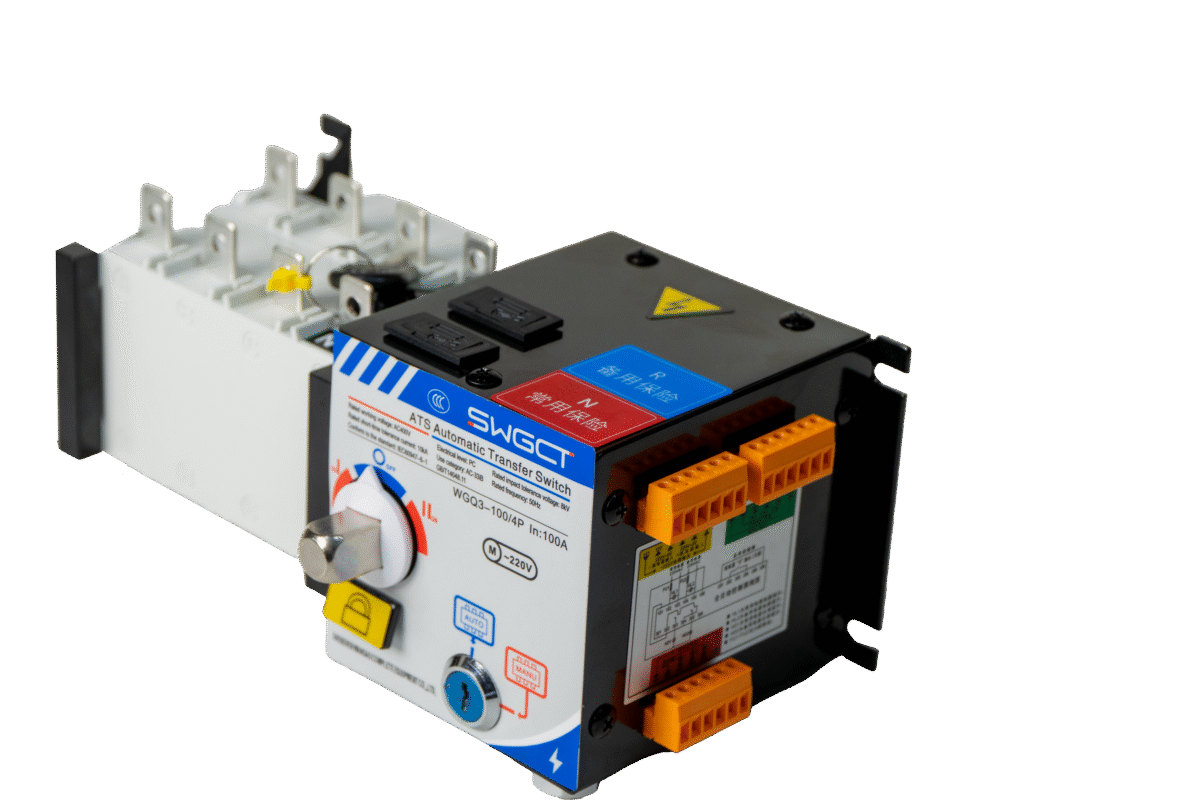
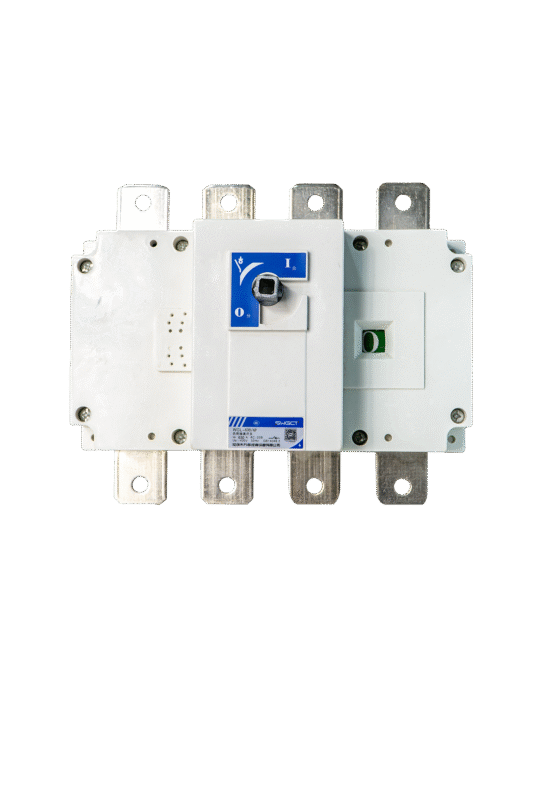
- Isolation devices
Modern electrical installations often combine multiple protection technologies with electrical protection solutions to provide comprehensive system safety.
Why Are Electrical Safety Protection Devices Important?
Electrical systems can experience unexpected events that may damage equipment or create dangerous conditions.
Reliable protection devices help maintain safe and stable electrical operations.
Protect People From Electrical Hazards
Electrical faults can cause:
- Electric shock
- Burns
- Electrical fires
- Equipment failures
Protection devices such as RCDs and grounding systems help reduce risks to users and maintenance personnel.
Protect Electrical Equipment
Modern electrical equipment contains sensitive electronic components that can be damaged by:
- Voltage spikes
- Overcurrent
- Short circuits
- Power disturbances
Installing suitable protection equipment helps extend equipment lifespan.
Prevent System Downtime
Electrical failures can interrupt business and industrial operations.
Protection devices quickly isolate problems and help reduce downtime.
Improve Electrical System Reliability
A properly protected electrical system operates more efficiently and safely under different conditions.
Types of Electrical Safety Protection Devices
Different electrical hazards require different protection methods.
Surge Protection Devices (SPD)
Surge protection devices are designed to protect electrical equipment from transient overvoltages.
Electrical surges can be caused by:
- Lightning strikes
- Utility switching
- Motor operation
- Internal electrical faults
A surge protection device (SPD) works by diverting excessive transient voltage away from sensitive equipment and safely directing surge energy to the grounding system.
Common SPD installation locations include:
- Main electrical panels
- Distribution boards
- Industrial control cabinets
- Data and communication systems
Types of SPDs include:
Type 1 Surge Protection Devices
Installed at the service entrance to protect against high-energy external surges, including lightning-related events.
Type 2 Surge Protection Devices
Installed in distribution systems to protect internal electrical circuits.
Type 3 Surge Protection Devices
Installed close to sensitive equipment for additional protection.
A coordinated SPD system provides better protection throughout an electrical network.
Circuit Breakers
Circuit breakers are among the most common electrical safety protection devices.
They protect circuits from excessive current caused by:
- Overloads
- Short circuits
When dangerous current levels are detected, the circuit breaker automatically disconnects power.
Common types include:
Miniature Circuit Breakers (MCB)
MCBs are commonly used in:
- Residential buildings
- Offices
- Small commercial applications
Molded Case Circuit Breakers (MCCB)
MCCBs are designed for higher current applications.
They are commonly used in:
- Industrial facilities
- Commercial buildings
- Electrical distribution systems
Air Circuit Breakers (ACB)
ACBs are used in large low voltage systems where higher protection capacity is required.
Residual Current Devices (RCD)
Residual current devices protect against electrical leakage.
They monitor current flow and disconnect the circuit when an imbalance is detected.
RCDs help protect against:
- Electric shock
- Ground leakage faults
- Electrical fire risks
Common applications include:
- Homes
- Commercial buildings
- Industrial facilities
Fuses
Fuses provide simple and effective overcurrent protection.
When excessive current flows through a fuse, the internal element melts and disconnects the circuit.
Fuses are commonly used in:
- Control systems
- Industrial equipment
- Electrical panels
Grounding and Earthing Protection Systems
Grounding is a fundamental part of electrical safety.
A properly designed grounding system provides a safe path for:
- Fault currents
- Lightning currents
- Surge energy
Effective grounding improves the performance of surge protection devices and reduces electrical risks.
Protective Relays
Protective relays are advanced monitoring devices used in electrical distribution systems.
They detect abnormal conditions such as:
- Overcurrent
- Overvoltage
- Undervoltage
- Phase failure
- Ground faults
When a fault occurs, protective relays send signals to disconnect affected equipment.
Applications of Electrical Safety Protection Devices
Electrical safety protection devices are used across many industries and environments.
Residential Applications
Homes use protection devices to protect:
- Lighting circuits
- Household appliances
- Electronic devices
Common devices include:
- MCBs
- RCDs
- Surge protection devices
Commercial Buildings
Office buildings, hotels, and shopping centers require reliable protection for:
- HVAC systems
- Lighting
- Security equipment
- Communication systems
Commercial facilities often use advanced commercial power distribution equipment to improve electrical safety and reliability.
Industrial Facilities
Industrial environments require stronger protection due to:
- Heavy machinery
- Motor loads
- Automation systems
- Continuous operation requirements
Industrial facilities commonly use:
- MCCBs
- Industrial SPDs
- Protection relays
- Switchgear systems
Renewable Energy Systems
Solar and energy storage systems require specialized electrical protection.
Photovoltaic systems often use DC surge protection devices to protect DC-side equipment from transient overvoltages.
How Electrical Safety Protection Devices Work
Protection devices follow a simple operating process.
Step 1: Monitor Electrical Conditions
Devices continuously measure:
- Current
- Voltage
- Leakage levels
- Fault conditions
Step 2: Detect Abnormal Events
The system identifies dangerous conditions such as:
- Excessive current
- Voltage surges
- Electrical leakage
Step 3: Take Protective Action
Depending on the device type, it may:
- Disconnect power
- Divert surge energy
- Isolate damaged circuits
Step 4: Restore Safe Operation
After the problem is resolved, the electrical system can return to normal operation.
Benefits of Using Electrical Safety Protection Devices
Installing proper protection equipment provides many advantages.
Enhanced Safety
Protection devices reduce risks associated with electrical faults and failures.
Equipment Protection
They help prevent damage to expensive electrical equipment.
Reduced Maintenance Costs
Preventing electrical damage reduces repair and replacement expenses.
Improved System Reliability
Protected systems experience fewer unexpected interruptions.
Compliance With Electrical Standards
Proper protection helps electrical installations meet recognized safety requirements.
How to Choose the Right Electrical Safety Protection Devices
Selecting suitable protection devices requires understanding system requirements.
Evaluate Electrical Parameters
Consider:
- Voltage rating
- Current capacity
- Short-circuit levels
- Equipment sensitivity
Identify Potential Risks
Analyze possible hazards such as:
- Lightning exposure
- Electrical load changes
- Environmental conditions
Select Compatible Protection Devices
Protection equipment should match:
- System design
- Application requirements
- Installation location
Follow International Standards
Electrical protection products should comply with recognized standards.
The International Electrotechnical Commission (IEC) develops international standards for electrical safety, installation, and protection equipment.
The UL Solutions provides safety standards and certification services for electrical products.
Common Electrical Protection Mistakes
Using Insufficient Protection
Some systems lack adequate protection against surges or faults.
Solution: Design a complete protection strategy.
Ignoring Surge Protection
Traditional circuit breakers cannot protect against all transient voltage events.
Solution: Install suitable surge protection devices.
Poor Grounding Design
Improper grounding reduces protection effectiveness.
Solution: Ensure correct earthing installation.
Lack of Maintenance
Protection devices require regular inspection and testing.
Solution: Implement preventive maintenance schedules.
Future Trends in Electrical Safety Protection
Electrical protection technology continues to develop with smarter solutions.
Smart Monitoring
Modern systems provide real-time information about electrical conditions.
Remote Management
Connected protection systems allow remote monitoring and diagnostics.
Integrated Protection Systems
Future electrical networks will combine:
- Smart sensors
- Digital monitoring
- Automated protection
- Energy management systems
These technologies improve safety and operational efficiency.
Frequently Asked Questions
What are electrical safety protection devices?
Electrical safety protection devices are components designed to protect people, equipment, and electrical systems from faults, surges, overloads, and other electrical hazards.
What are the most common electrical protection devices?
Common devices include circuit breakers, surge protection devices, fuses, residual current devices, protective relays, and grounding systems.
Why are surge protection devices important?
Surge protection devices protect electrical equipment from sudden voltage increases caused by lightning, switching operations, and electrical disturbances.
Can circuit breakers protect against power surges?
Standard circuit breakers mainly protect against overcurrent and short circuits. Additional surge protection devices are required to protect against transient voltage surges.
Where are electrical safety protection devices used?
They are used in residential buildings, commercial facilities, industrial plants, renewable energy systems, and infrastructure projects.
How often should electrical protection devices be checked?
Inspection frequency depends on the installation environment and manufacturer recommendations, but regular testing and maintenance improve reliability.
Conclusion
Electrical safety protection devices are essential components of modern electrical systems. They protect people, equipment, and infrastructure from electrical faults, surges, and unexpected failures.
By combining circuit breakers, surge protection devices, grounding systems, protective relays, and monitoring technologies, organizations can create safer and more reliable electrical networks.
As electrical systems become more advanced, investing in effective protection solutions is increasingly important for improving safety, reducing downtime, and protecting valuable assets.
For professional electrical protection solutions, explore SWG’s electrical safety and surge protection products designed for commercial, industrial, and critical electrical applications.


