



Molded Case Leakage Circuit Breakers: The Ultimate Guide to Advanced Electrical Safety

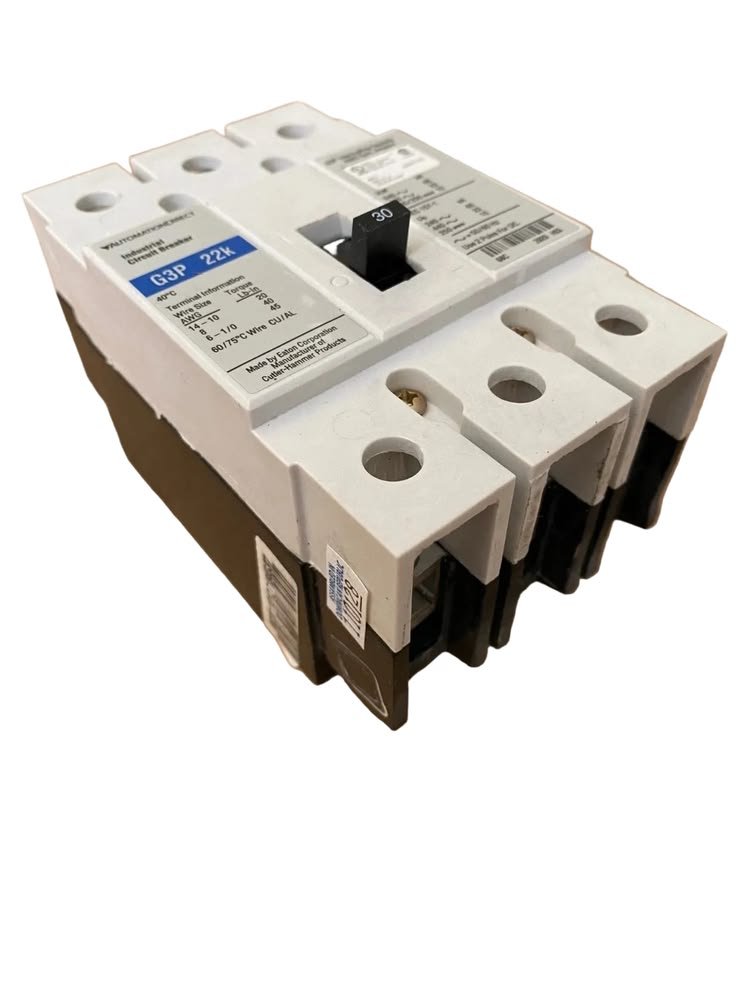
Electrical safety has evolved far beyond simple overcurrent protection. While standard Molded Case Circuit Breakers (MCCBs) are essential for preventing overloads and short circuits, they do not detect current leaks to the ground—a major cause of electric shock, fires, and equipment damage. This is where Molded Case Leakage Circuit Breakers (MCCB-Ls) come into play. Combining the robustness of traditional MCCBs with advanced earth-leakage protection, MCCB-Ls are the go-to solution for high-power, high-safety applications.
In this comprehensive guide, we’ll break down what MCCB-Ls are, how they function, their key features, applications, and how to select the right one for your needs.
What Is a Molded Case Leakage Circuit Breaker?
A Molded Case Leakage Circuit Breaker is a specialized type of MCCB that integrates a leakage current detection unit with the standard overcurrent and short-circuit protection mechanisms. The device continuously monitors the current flowing through the live and neutral conductors. If it detects a difference—indicating that some current is escaping to the ground (a “leak”)—it automatically trips, cutting off the power supply.
The “molded case” refers to the same robust, thermoset plastic housing found in standard MCCBs, providing excellent insulation, impact resistance, and environmental protection. The added leakage module makes it a more comprehensive safety device, capable of preventing not just overcurrents, but also potentially lethal electric shocks and fire hazards caused by insulation failure or faulty appliances.
How Does an MCCB-L Work? Understanding the Dual-Protection Mechanism
An MCCB-L operates through two synchronized protection systems working in tandem:
1. Overcurrent & Short-Circuit Protection (Standard MCCB Function)
This core function relies on a thermal-magnetic trip unit.
- Thermal Trip: Uses a bimetallic strip that bends under sustained overload conditions, triggering the breaker after a calculated delay.
- Magnetic Trip: Uses an electromagnet that reacts instantaneously to massive current surges from short circuits.
2. Earth-Leakage Protection (Integrated Residual Current Device – RCD Function)
This critical safety layer uses a zero-sequence current transformer (ZSCT), often referred to as a residual current sensor. It encircles all live and neutral conductors passing through the breaker. Under normal operation, the vector sum of incoming and outgoing currents is zero. However, if current leaks to earth (e.g., through a person or a faulty appliance), the currents become unbalanced. The ZSCT detects this imbalance (the “residual current”), and once it exceeds a preset threshold (e.g., 30mA, 100mA, 300mA), it sends a signal to the trip mechanism to open the circuit within milliseconds.
Key Features and Advantages of MCCB-Ls
Choosing an MCCB-L offers significant advantages over using separate MCCB and RCD devices:
1. Integrated Safety in One Unit
Combining both functions eliminates the need for external RCCBs (Residual Current Circuit Breakers) or RCBOs in larger distribution boards. This simplifies wiring, saves valuable panel space, and reduces installation costs.
2. Higher Breaking Capacity
Unlike standalone domestic RCDs, which typically have limited breaking capacities, MCCB-Ls retain the high breaking capacity (often up to 100kA) of industrial-grade MCCBs. This allows them to safely interrupt massive fault currents while simultaneously clearing a leakage fault.
3. Adjustable Sensitivity and Trip Time
Industrial-grade MCCB-Ls offer adjustable residual operating current (sensitivity) and trip time-delay curves. This prevents nuisance tripping from harmless leakage currents in large inductive loads (like motors or transformers) while ensuring fast disconnection for dangerous direct contact.
4. Robust Construction for Harsh Environments
Built within the durable molded plastic casing, these breakers are resistant to vibration, dust, humidity, and chemical exposure—making them perfect for factories, offshore platforms, and wastewater treatment plants.
5. Enhanced Personnel and Equipment Protection
By detecting both overcurrents and earth faults, MCCB-Ls provide a much higher level of protection for both human life and capital equipment, significantly reducing the risk of electrical fires and electrocution.
Typical Applications of Molded Case Leakage Circuit Breakers
Due to their advanced capabilities, MCCB-Ls are deployed in scenarios where standard protection is insufficient:
1. Industrial Manufacturing Plants
Protects heavy machinery (compressors, CNC machines, conveyor belts) from insulation breakdown. A leakage fault could indicate degrading cables or internal faults in motors, preventing costly downtime and fires.
2. Water Treatment and Swimming Pools
Mandatory in wet or damp environments. The human body’s resistance to electricity drops significantly when wet, making even a small leakage current dangerous. MCCB-Ls with 10mA or 30mA sensitivity are critical here.
3. Data Centers and Server Rooms
Sensitive server equipment is vulnerable to ground faults. An MCCB-L can isolate a faulty server rack or UPS (Uninterruptible Power Supply) without taking down the entire data center, thanks to its selective tripping capabilities.
4. Renewable Energy Systems (PV and Wind)
In solar farm combiner boxes and wind turbine nacelles, long cable runs increase the risk of insulation damage. MCCB-Ls provide essential protection for both the plant and maintenance personnel.
5. Public Infrastructure and Commercial Buildings
Hospitals, shopping malls, and high-rise buildings use MCCB-Ls in sub-distribution panels to protect large HVAC systems, escalators, and emergency lighting circuits.
How to Select the Right MCCB-L: A Practical Buying Guide
Selecting the correct MCCB-L involves evaluating several technical parameters:
1. Rated Operational Current (In)
Determine the maximum continuous load current of the circuit. Choose an MCCB-L with a rated current that matches or slightly exceeds this value (e.g., a 100A load requires a 100A or 125A breaker).
2. Rated Voltage (Vn)
Ensure compatibility with your system voltage (single-phase 230V or three-phase 400V/415V).
3. Residual Operating Current (IΔn)
This is the leakage sensitivity threshold. Common values include:
- 30mA: Personal protection against electric shock (mandatory for sockets and bathrooms).
- 100mA / 300mA: Fire protection for distribution boards and industrial loads, where high leakage is tolerable but must be interrupted to prevent ignition.
4. Breaking Capacity (Icu/Ics)
Choose a breaking capacity sufficient for your installation’s prospective fault level. For industrial settings, a minimum of 35kA is typical, though 50kA or 65kA may be required.
5. Trip Curve Characteristics
Look for breakers with adjustable trip characteristics (short-time delay, instantaneous). This ensures selectivity, meaning only the faulty circuit trips, leaving the rest of the system operational.
Installation and Maintenance Best Practices
To ensure long-term reliability and safety:
- Professional Installation: Due to the complexity of integrating leakage detection with high-current switching, installation must be performed by a licensed electrician familiar with local wiring regulations (e.g., NEC, IEC).
- Regular Functional Testing: Press the test button monthly to simulate a leakage fault and confirm the breaker trips correctly.
- Periodic Calibration: Have the leakage detection unit tested and calibrated annually to maintain accuracy, as sensors can drift over time.
- Visual Inspection: Check for physical damage, cracks in the casing, or signs of overheating (discoloration) on the terminals.
Conclusion: The Future of Industrial Electrical Safety
Molded Case Leakage Circuit Breakers represent a significant advancement in electrical protection technology. By merging the high-power interruption capabilities of MCCBs with the life-saving sensitivity of RCDs, they provide a single, reliable solution for protecting people, property, and processes.
As electrical systems become more complex and safety standards grow stricter, the role of MCCB-Ls will only become more critical. Investing in the right MCCB-L is not just a regulatory requirement—it’s a commitment to operational continuity and safety.
Ready to upgrade your electrical safety system? Consult with a certified electrical engineer to assess your specific needs and find the perfect MCCB-L for your application.


