



Surge Protective Device: 11 Powerful Reasons Every Electrical System Needs One

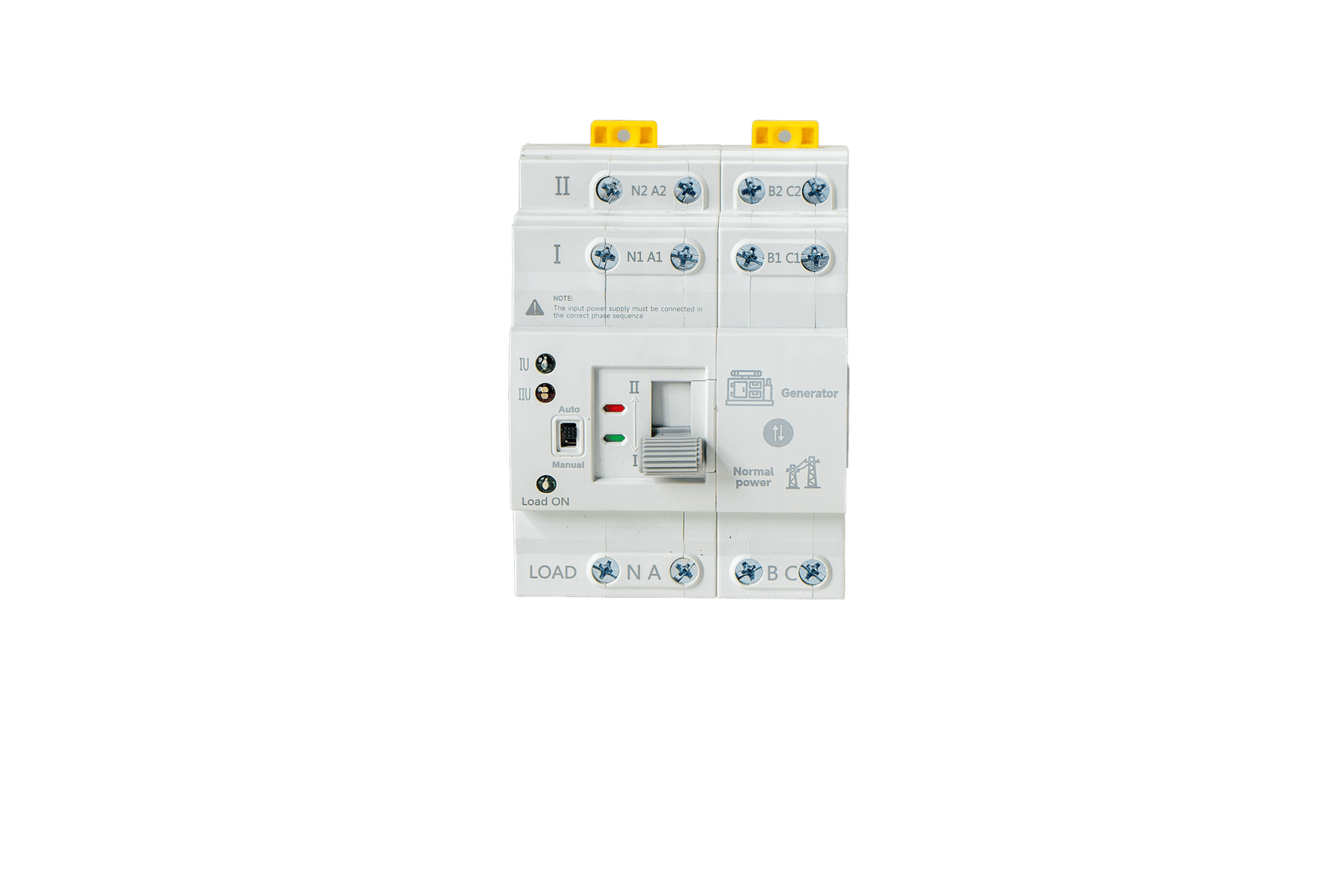
Introduction to Surge Protective Device
A Surge Protective Device (SPD) is an essential component used to protect electrical equipment from sudden voltage spikes or electrical surges. These surges can occur due to lightning strikes, power outages, switching operations, or faults in the electrical grid.
When a surge enters an electrical system, it can instantly damage sensitive electronics, reduce equipment lifespan, or even cause fire hazards. A Surge Protective Device works by diverting excess voltage safely to the ground, ensuring that connected equipment receives only the voltage it can safely handle.
From residential buildings to industrial plants and data centers, the use of SPDs has become a fundamental part of modern electrical safety systems. With increasing reliance on electronic devices, protecting equipment against unpredictable power disturbances is more important than ever.
In this comprehensive guide, we will explore how surge protective devices work, their types, benefits, installation guidelines, and common questions.
What is a Surge Protective Device?
A Surge Protective Device is a device installed in an electrical distribution system to limit transient voltages by diverting surge currents away from protected equipment.
In simple terms, it acts like a pressure relief valve for electricity. When voltage rises above safe levels, the SPD activates and redirects the excess energy to the grounding system.
Main Functions of SPD
- Protect electrical equipment from voltage spikes
- Reduce downtime caused by equipment damage
- Improve system reliability
- Prevent fires caused by electrical surges
- Increase the lifespan of electronic devices
Surge protective devices are widely used in:
- Residential homes
- Commercial buildings
- Industrial facilities
- Telecommunications infrastructure
- Renewable energy systems
How a Surge Protective Device Works
A Surge Protective Device constantly monitors the voltage level in an electrical system. Under normal conditions, it remains inactive. However, when the voltage exceeds a predefined threshold, the SPD reacts almost instantly.
Basic Working Principle
- Normal Condition
Electricity flows normally through the system. - Surge Occurs
A voltage spike enters the electrical circuit. - SPD Activation
The SPD detects the surge and creates a low-resistance path to ground. - Energy Diversion
Excess voltage is safely redirected to the grounding system. - System Protection
Electrical devices remain protected from damage.
Most SPDs respond within nanoseconds, making them extremely effective at protecting sensitive electronics.
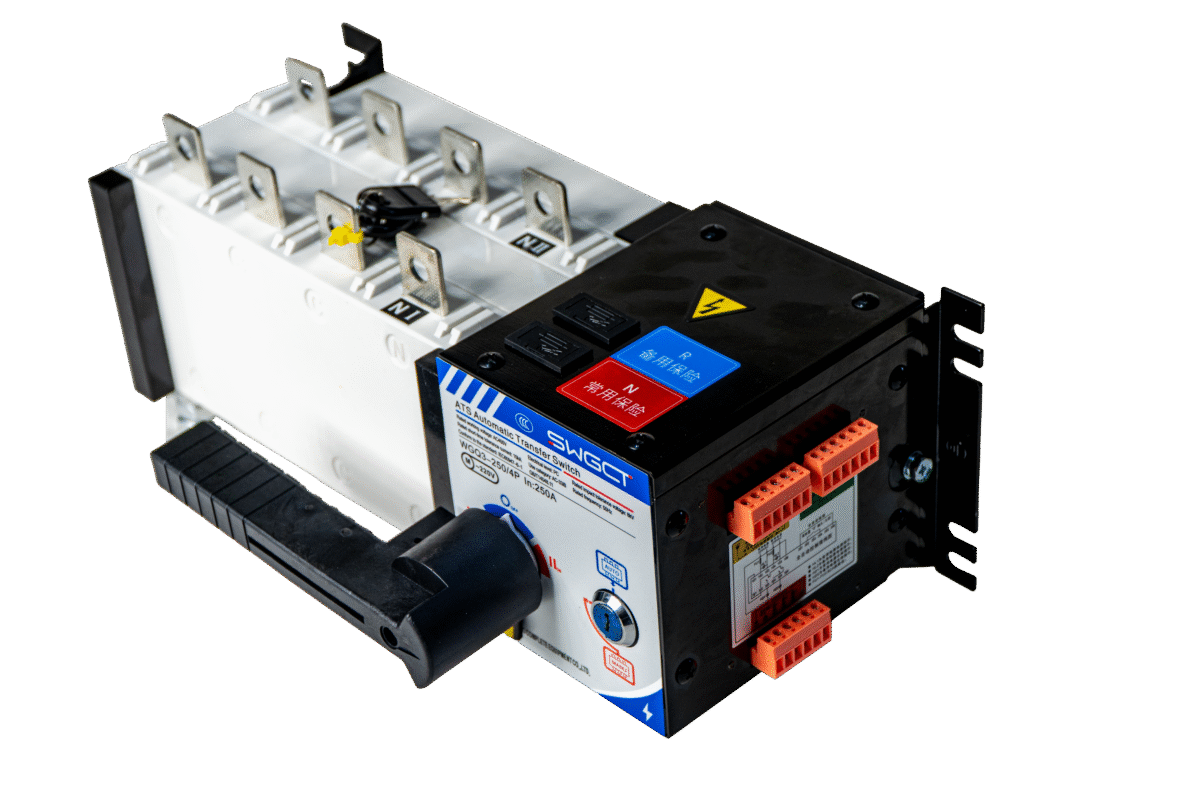
Major Causes of Electrical Surges
Understanding the causes of surges helps explain why installing a Surge Protective Device is so important.
1. Lightning Strikes
Lightning is one of the most powerful sources of electrical surges. Even a distant lightning strike can induce large voltage spikes in power lines.
2. Utility Grid Switching
Power companies frequently switch loads in their grid systems. These switching actions can create temporary voltage fluctuations.
3. Large Equipment Switching
Industrial machines such as motors, compressors, and elevators can generate internal surges when they start or stop.
4. Power Outages and Restoration
When power returns after an outage, sudden voltage spikes can occur.
5. Faulty Wiring or Electrical Faults
Short circuits or grounding issues may also cause voltage spikes.
Types of Surge Protective Devices
Surge Protective Devices are classified based on their installation location and application.
Type 1 SPD
Type 1 SPDs are installed between the transformer secondary and the service entrance.
Features:
- Protection against direct lightning strikes
- Installed before the main breaker
- Used in buildings with lightning protection systems
Type 2 SPD
Type 2 SPDs are the most commonly used devices.
Features:
- Installed in the main distribution board
- Protect against switching surges and indirect lightning
- Suitable for residential and commercial buildings
Type 3 SPD
Type 3 SPDs provide point-of-use protection.
Examples:
- Power strips with surge protection
- Plug-in surge protectors
- Socket protectors
They are usually installed close to sensitive electronic devices.
Key Components Inside a Surge Protective Device
Several internal components help an SPD operate effectively.
Metal Oxide Varistor (MOV)
MOVs are the most commonly used components in SPDs. They rapidly change resistance when voltage rises.
Gas Discharge Tube (GDT)
GDTs provide high surge current handling capability and are often used in communication systems.
Transient Voltage Suppression Diodes (TVS)
TVS diodes respond extremely fast and are used to protect sensitive electronic circuits.
Thermal Protection Mechanisms
These protect the SPD itself from overheating during extreme surge conditions.
Benefits of Installing a Surge Protective Device
Installing a Surge Protective Device provides several advantages.
1. Protection of Expensive Equipment
Electronics such as computers, servers, TVs, and industrial control systems are vulnerable to surges.
2. Reduced Maintenance Costs
SPDs help prevent equipment failure, reducing repair costs.
3. Improved System Reliability
Electrical systems operate more reliably when protected from voltage disturbances.
4. Increased Equipment Lifespan
Repeated small surges gradually degrade electronic components. SPDs prevent this damage.
5. Fire Risk Reduction
Voltage surges can cause overheating or sparks. SPDs reduce this risk significantly.
Where Surge Protective Devices Should Be Installed
Proper placement of SPDs ensures maximum protection.
Main Service Entrance
The first SPD should be installed at the building’s main electrical panel.
Distribution Boards
Additional SPDs may be installed in sub-panels.
Sensitive Equipment Locations
Critical equipment such as servers, medical devices, and automation systems may require dedicated SPDs.
Telecommunication Lines
Communication cables and data lines also require surge protection.
Standards and Regulations for Surge Protective Devices
Several international standards regulate SPD performance and installation.
IEC 61643
One of the most widely recognized standards for surge protective devices.
IEEE C62 Series
Used primarily in North America for surge protection systems.
UL 1449
A key certification standard for SPDs in the United States.
These standards ensure that SPDs meet strict safety and performance requirements.
For additional technical details, visit:
https://www.ieee.org
How to Select the Right Surge Protective Device
Choosing the correct SPD requires careful evaluation.
Factors to Consider
- Nominal discharge current rating (In)
- Maximum surge current capacity (Imax)
- Voltage protection level
- Installation location
- System voltage compatibility
Example Selection Table
| Anmeldung | Recommended SPD Type |
|---|---|
| Service Entrance | Type 1 |
| Main Distribution Panel | Type 2 |
| Sensitive Equipment | Type 3 |
Selecting the right device ensures maximum protection.
Installation Guidelines for Surge Protective Devices
Correct installation is critical for SPD effectiveness.
Best Practices
- Install as close as possible to the electrical panel
- Use short grounding conductors
- Ensure proper earthing system
- Follow manufacturer instructions
- Conduct periodic inspection
Poor installation can significantly reduce SPD performance.

Maintenance and Testing of Surge Protective Devices
Although SPDs require minimal maintenance, periodic checks are recommended.
Maintenance Tips
- Inspect indicator lights
- Check grounding connections
- Replace damaged units immediately
- Conduct periodic electrical testing
Some modern SPDs include remote monitoring systems to detect failures automatically.
Common Applications of Surge Protective Devices
Surge protection is widely used across many industries.
Residential Buildings
Protects home electronics and appliances.
Industrial Facilities
Prevents damage to expensive manufacturing equipment.
Data Centers
Ensures uninterrupted operation of servers and networking devices.
Hospitals
Protects critical medical equipment.
Renewable Energy Systems
Solar and wind systems require surge protection due to exposure to lightning.
Frequently Asked Questions (FAQs)
1. What is the purpose of a Surge Protective Device?
A Surge Protective Device protects electrical equipment from sudden voltage spikes by diverting excess energy safely to the ground.
2. Is a surge protector the same as a Surge Protective Device?
Not exactly. A surge protector is usually a small plug-in device, while a Surge Protective Device can be installed in electrical panels for whole-building protection.
3. Can lightning destroy electrical equipment without an SPD?
Yes. Lightning strikes can generate extremely high voltages that may instantly damage electrical systems.
4. How long does a Surge Protective Device last?
The lifespan varies depending on surge exposure, but many SPDs last 5–10 years under normal conditions.
5. Do homes need surge protection?
Yes. Modern homes contain many sensitive electronic devices that benefit from surge protection.
6. Can an SPD protect against all electrical surges?
While no device can guarantee complete protection, properly installed SPDs significantly reduce the risk of damage.
Conclusion
A Surge Protective Device plays a crucial role in modern electrical systems. As our dependence on electronic equipment grows, the risk associated with power surges also increases.
By installing SPDs at strategic locations, homes, businesses, and industries can safeguard their electrical infrastructure, protect valuable equipment, and ensure uninterrupted operations.
From lightning strikes to internal switching events, electrical surges are unavoidable. However, with the right surge protection strategy, their damaging effects can be effectively minimized.
Investing in a Surge Protective Device today can save thousands of dollars in equipment damage and downtime tomorrow.


