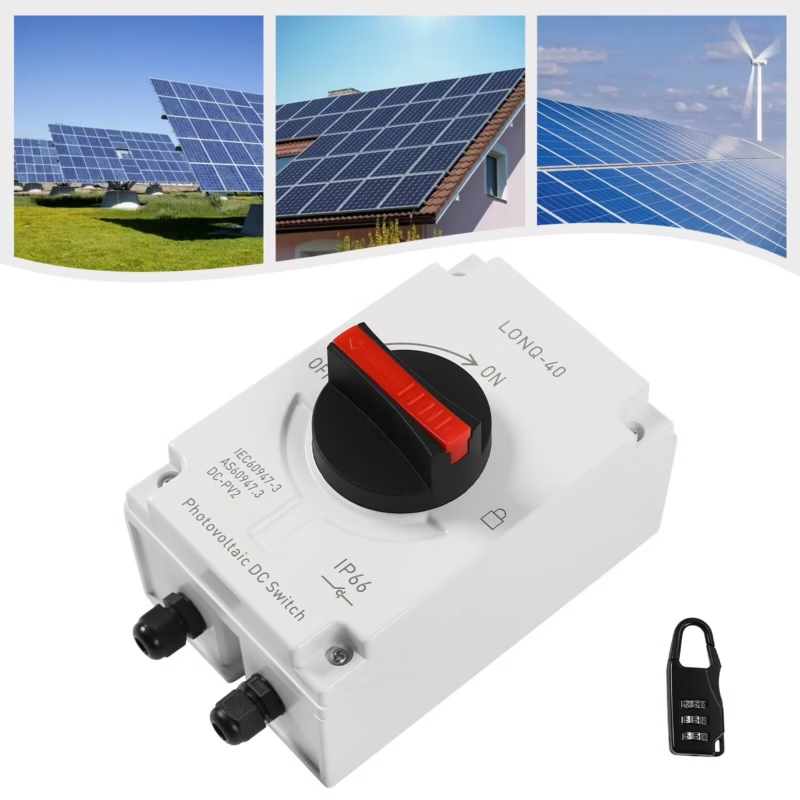



Circuit Breaker Manufacturer: A Complete Guide to Choosing the Right Supplier

Choosing the right circuit breaker manufacturer is essential for businesses that need reliable electrical protection products for residential, commercial, industrial, and infrastructure applications.
Circuit breakers are a fundamental part of modern electrical systems. They protect circuits and equipment from abnormal current conditions, including overloads and short circuits. Depending on the application, buyers may need different types of circuit breakers, such as MCBs, MCCBs, or other low-voltage protection devices.
For distributors, contractors, OEM buyers, and electrical system integrators, selecting a manufacturer should involve more than comparing prices. Product specifications, testing, applicable standards, manufacturing capability, customization, technical support, and supply capacity all deserve careful consideration.
This guide explains what circuit breakers do, the main types available, their applications, and how to evaluate a reliable circuit breaker manufacturer.
What Is a Circuit Breaker?
A circuit breaker is an electrical switching and protection device designed to interrupt current when an abnormal electrical condition occurs.
Unlike a fuse, which normally needs to be replaced after operation, many circuit breakers can be reset after the fault has been addressed.
Circuit breakers can provide protection against conditions such as:
- Overload
- Short circuit
- Certain other electrical faults, depending on the breaker design
They are widely used in:
- Residential buildings
- Commercial facilities
- Industrial plants
- Power distribution systems
- Renewable energy installations
A professional circuit breaker manufacturer can provide different protection products according to system voltage, current, breaking capacity, installation method, and application requirements.
Why Is Choosing the Right Circuit Breaker Manufacturer Important?
The circuit breaker is directly connected to the safety and reliability of an electrical system.
An unsuitable product may not provide the required protection or may not be compatible with the electrical installation.
A qualified manufacturer should be able to provide:
- Accurate technical specifications
- Appropriate product configurations
- Quality control
- Product testing
- Technical documentation
- Applicable certifications
- Reliable supply
For businesses purchasing circuit breakers in volume, manufacturer capability can also affect product consistency and long-term procurement.
Main Types of Circuit Breakers
Different electrical systems require different circuit breaker technologies.
MCB
A Miniature Circuit Breaker (MCB) is commonly used for lower-current circuits.
Typical applications include:
- Residential distribution
- Lighting circuits
- Socket circuits
- Small commercial installations
MCBs are available with different current ratings, pole configurations, and trip characteristics.
For buyers sourcing miniature circuit breakers, explore SWGCT’s circuit protection products.
MCCB
A Molded Case Circuit Breaker (MCCB) is generally designed for higher-current applications than an MCB.
MCCBs are commonly used in:
- Industrial facilities
- Commercial buildings
- Main distribution systems
- Large equipment
Depending on the product, MCCBs can provide additional adjustment and protection functions.
Businesses sourcing industrial protection products can also explore industrial power protection equipment from SWGCT.
ACB
An Air Circuit Breaker (ACB) is commonly used in larger low-voltage distribution systems.
Typical applications include:
- Main distribution boards
- Industrial plants
- Commercial buildings
- Large electrical installations
ACBs can be used where higher current ratings and advanced protection functions are required.
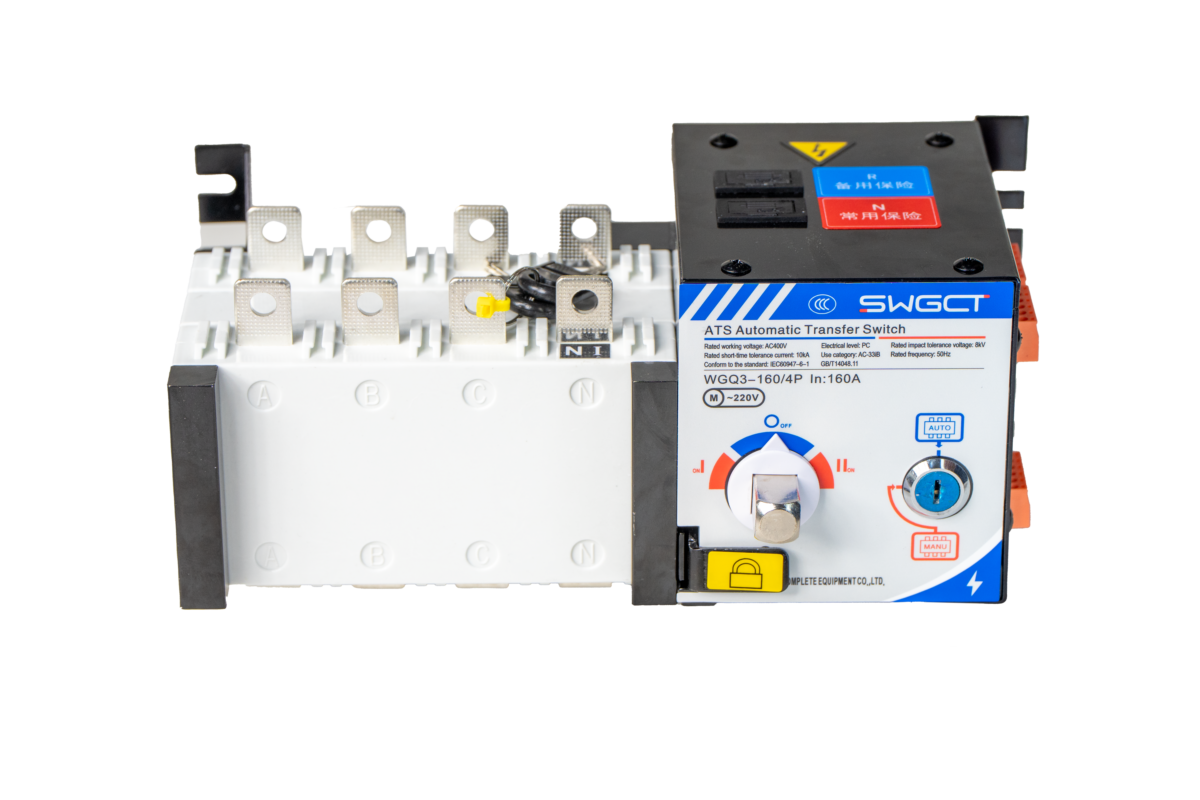
DC Circuit Breakers
DC circuit breakers are designed for direct-current systems.
Applications can include:
- Solar photovoltaic systems
- Battery storage
- DC distribution
- Industrial control systems
DC systems have different arc characteristics from AC systems, so circuit breakers must be specifically designed and rated for the intended DC application.
How Does a Circuit Breaker Work?
Circuit breakers use different mechanisms depending on their design.
Thermal Protection
Thermal protection responds to excessive current over a period of time.
When current remains above the expected operating level, heat causes the protective mechanism to operate and disconnect the circuit.
This is commonly associated with overload protection.
Magnetic Protection
Magnetic protection responds rapidly to high fault currents.
When a short circuit produces a large current, the magnetic mechanism can trip the breaker and interrupt the circuit.
Electronic Protection
Some advanced circuit breakers use electronic trip units.
These may provide adjustable protection functions for applications requiring more precise control.
Circuit Breaker Applications
Circuit breakers are used throughout electrical infrastructure.
Residential Applications
Common residential applications include:
- Lighting
- Electrical outlets
- Kitchen appliances
- Air conditioning
- Small distribution boards
MCBs are commonly used in residential distribution systems.
Commercial Buildings
Commercial facilities may use circuit breakers to protect:
- Lighting systems
- HVAC
- Elevators
- Pumps
- Building automation
Larger installations may require MCCBs or ACBs for main distribution.
Industrial Facilities
Industrial electrical systems often have larger loads and more demanding operating conditions.
Circuit breakers may protect:
- Motors
- Production equipment
- Control panels
- Transformers
- Distribution systems
Circuit breakers can also be integrated with broader power distribution solutions.
Renewable Energy Systems
Solar and battery installations require appropriate DC and AC circuit protection.
Depending on the system architecture, protection equipment may be installed on:
- PV strings
- Combiner boxes
- DC distribution
- Inverter outputs
- AC distribution panels
Important Circuit Breaker Specifications
When selecting a circuit breaker manufacturer, buyers should understand the main product specifications.
Rated Current
Rated current indicates the current level the breaker is designed to carry under specified conditions.
The selected rating should correspond to the electrical system and protected load.
Rated Voltage
The breaker must be suitable for the voltage of the electrical system.
AC and DC applications require appropriate voltage ratings.
Breaking Capacity
Breaking capacity indicates the fault current level that the breaker is designed to interrupt safely under specified test conditions.
This is one of the most important specifications when selecting a circuit breaker.
Number of Poles
Common configurations include:
- 1P
- 2P
- 3P
- 4P
The appropriate configuration depends on the electrical system and circuit design.
Trip Characteristics
Different circuit breakers have different tripping characteristics.
For MCBs, common trip curves include:
- B curve
- C curve
- D curve
The correct selection depends on the type of load and expected inrush current.
How to Choose a Reliable Circuit Breaker Manufacturer
Finding a suitable manufacturer requires a structured evaluation.
1. Evaluate Manufacturing Experience
Look for experience in producing:
- MCBs
- MCCBs
- ACBs
- DC circuit breakers
- Related electrical protection equipment
A supplier with a focused product portfolio may have stronger technical knowledge in the relevant application.
2. Check Product Testing
Ask the manufacturer how products are tested during production.
Testing may cover areas such as:
- Electrical performance
- Mechanical operation
- Insulation
- Temperature
- Breaking performance
- Final product inspection
The exact tests should correspond to the product type and applicable standards.
3. Verify Standards and Certifications
Different markets have different requirements.
The International Electrotechnical Commission (IEC) publishes international standards for electrical and electronic technologies.
Depending on the product and target market, buyers may also need to consider requirements from organizations such as UL Solutions.
Always verify that the specific product being purchased is covered by the claimed certification or test report.
4. Review Technical Documentation
A professional manufacturer should be able to provide appropriate documentation, such as:
- Datasheets
- Product catalogs
- Wiring diagrams
- Installation instructions
- Technical drawings
- Test reports
- Certificates
Good documentation makes product selection and installation easier.
OEM Circuit Breaker Manufacturing
For distributors and electrical brands, OEM manufacturing can be an important consideration.
OEM services may include:
- Private labeling
- Customized packaging
- Product branding
- Specification customization
- Documentation customization
Before starting an OEM project, confirm:
- Minimum order quantity
- Production lead time
- Branding requirements
- Packaging requirements
- Product specifications
- Quality control procedures
A manufacturer should clearly define which parts of the product can actually be customized.
Circuit Breaker Quality Control
A reliable manufacturing process typically involves multiple quality-control stages.
Incoming Material Inspection
Materials and components should be checked before production.
Assembly Inspection
Manufacturing teams should verify that components are assembled according to the required specifications.
Electrical Testing
Electrical performance should be tested according to applicable product requirements.
Final Inspection
Finished products should undergo final inspection before packaging and shipment.
For high-volume buyers, consistent quality between production batches is particularly important.
Circuit Breaker Manufacturer vs Electrical Distributor
Buyers may source circuit breakers directly from manufacturers or through distributors.
Direct Manufacturer
Potential advantages include:
- Direct technical communication
- OEM opportunities
- Factory-level product information
- Large-volume purchasing
Distributor
Potential advantages include:
- Local inventory
- Faster small orders
- Local technical assistance
- Multiple brands or product ranges
The best sourcing channel depends on order volume, market, technical requirements, and after-sales needs.
Questions to Ask a Circuit Breaker Manufacturer
Before placing an order, ask the supplier:
Product Questions
- What circuit breaker types do you manufacture?
- What current and voltage ratings are available?
- What breaking capacities are available?
- Are AC and DC versions available?
Quality Questions
- What tests are performed?
- What quality management process is used?
- Can you provide test reports?
Certification Questions
- Which standards does the product comply with?
- Which certifications are available?
- Are the certificates applicable to the exact model?
Commercial Questions
- What is the MOQ?
- What is the lead time?
- Do you support OEM orders?
- What packaging options are available?
Technical Questions
- Can you provide datasheets?
- Can you provide technical drawings?
- Can you recommend a suitable breaker for our application?
Common Mistakes When Buying Circuit Breakers
Choosing Based Only on Price
The lowest price is not necessarily the lowest total cost.
Consider:
- Product reliability
- Certification
- Testing
- Warranty
- Technical support
- Replacement availability
Ignoring Breaking Capacity
A circuit breaker must be suitable for the prospective fault current of the installation.
Choosing an inappropriate breaking capacity can create a serious protection problem.
Using AC Breakers in DC Applications
AC and DC circuit interruption are different.
Always verify that the specific breaker is rated for the intended DC system before installation.
Selecting the Wrong Trip Curve
An unsuitable trip characteristic can cause nuisance tripping or inadequate protection.
The trip curve should match the characteristics of the connected load.
How Circuit Breakers Work With Other Protection Devices
Circuit breakers are often part of a larger electrical protection system.
Other protection equipment may include:
- Surge protection devices
- Isolator switches
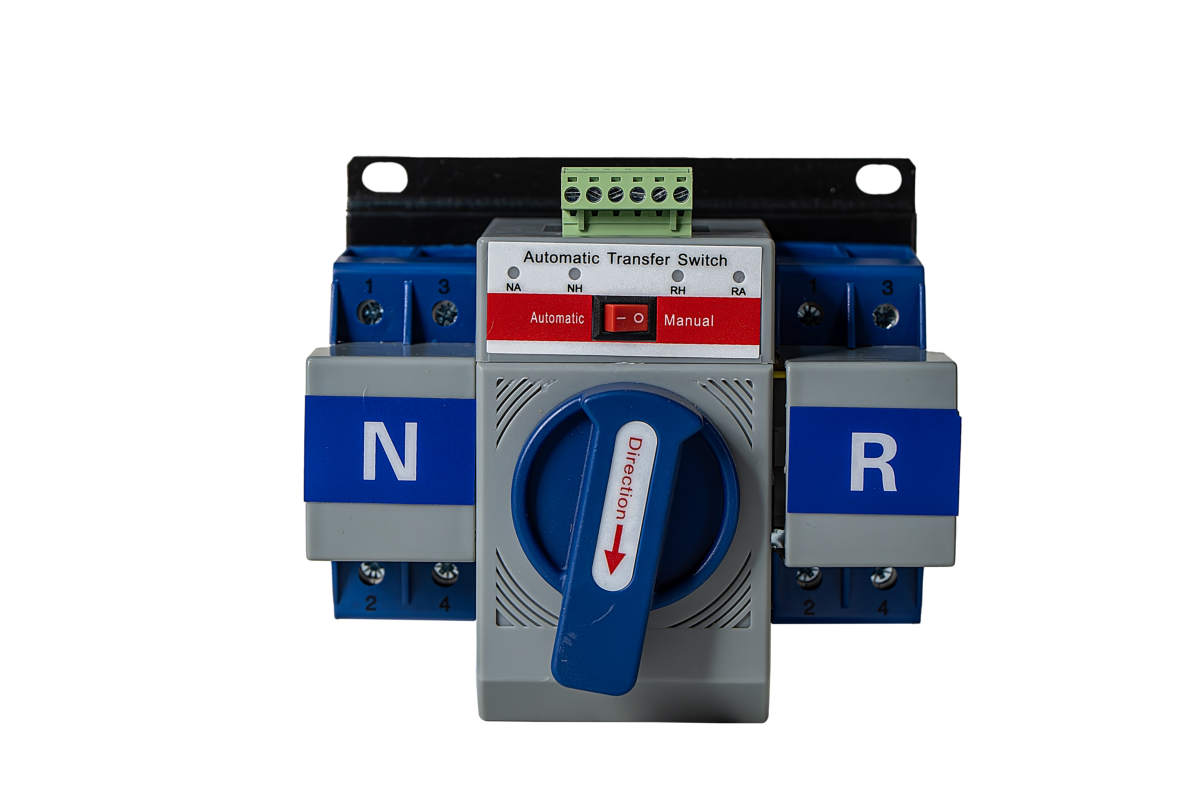
- Automatic transfer switches
- Fuses
- Power monitoring equipment
For example, an SPD can address transient overvoltage protection, while a circuit breaker provides overcurrent protection.
Using the appropriate combination of devices can provide more comprehensive protection for an electrical installation.
Why Work With an Experienced Circuit Breaker Manufacturer?
A qualified manufacturer can provide more than the physical product.
Technical Expertise
Manufacturers with engineering experience can help buyers select appropriate specifications.
Product Consistency
Established production processes can improve consistency between batches.
Customization
OEM capabilities can support distributors and electrical brands.
Supply Stability
Reliable manufacturing capacity can support repeat orders.
Product Integration
A supplier offering circuit breakers alongside other electrical protection products can simplify procurement.
Frequently Asked Questions
What does a circuit breaker manufacturer produce?
A circuit breaker manufacturer produces electrical protection devices such as MCBs, MCCBs, ACBs, and other circuit protection products for different electrical applications.
How do I choose a circuit breaker manufacturer?
Evaluate the manufacturer’s production capability, product range, testing, certifications, technical documentation, OEM services, quality control, and after-sales support.
What is the difference between an MCB and an MCCB?
MCBs are commonly used for lower-current circuit protection, while MCCBs are generally used for higher-current applications and may provide additional protection and adjustment functions.
Can circuit breakers be customized?
Some manufacturers offer OEM and customization services, including branding, packaging, and selected product specifications. The available customization depends on the manufacturer and product.
What circuit breaker standards should I check?
Applicable standards depend on the breaker type and target market. IEC standards are widely used internationally, while markets such as North America may have additional certification requirements.
Can circuit breakers be used in solar systems?
Yes, but the breaker must be specifically rated for the relevant AC or DC application, voltage, current, and fault conditions.
What is circuit breaker breaking capacity?
Breaking capacity is the fault current level that a circuit breaker is designed to interrupt safely under specified test conditions.
Why is technical documentation important?
Datasheets, drawings, test reports, and installation instructions help engineers verify that a circuit breaker is suitable for the electrical system.
Conclusion
Choosing the right circuit breaker manufacturer is an important part of developing a safe and reliable electrical protection system.
Whether you need MCBs for residential applications, MCCBs for industrial distribution, ACBs for larger low-voltage systems, or DC circuit breakers for renewable energy applications, the manufacturer’s technical capability and product quality should be carefully evaluated.
Do not select a manufacturer based only on price. Instead, compare product specifications, breaking capacity, applicable standards, testing, quality control, OEM capability, technical support, and supply capacity.
For businesses sourcing circuit protection and related electrical equipment, SWGCT provides electrical products and solutions for applications including automatic transfer, circuit protection, and power quality management.