



Air Circuit Breaker: A Comprehensive Guide to Robust Electrical Protection

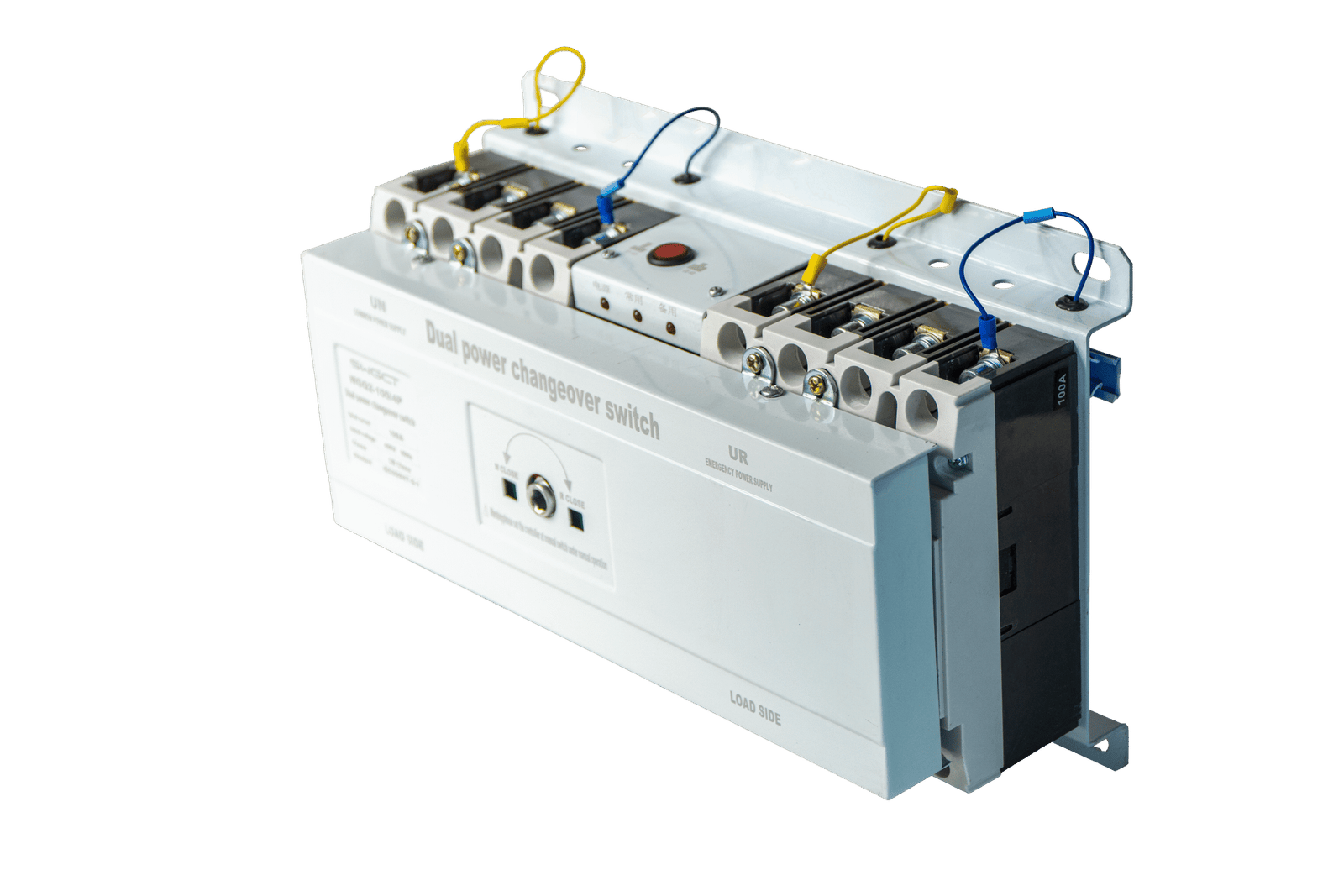
In the world of electrical engineering, ensuring the safety and reliability of power systems is paramount. One of the most trusted devices for achieving this is the air circuit breaker (ACB). Unlike oil or gas-based alternatives, ACBs use air as the arc-quenching medium, making them a popular choice for low- to medium-voltage applications where simplicity, cost-effectiveness, and environmental safety are key considerations.
This extensive, SEO-optimized article explores everything you need to know about air circuit breakers—from their working principles and components to their advantages, limitations, applications, and future developments.
What Is an Air Circuit Breaker?
An air circuit breaker is a type of electrical protection device designed to automatically interrupt current flow during overloads, short circuits, or faults. It operates by using compressed or ambient air to cool and extinguish the electric arc formed when contacts separate.
ACBs are typically rated for low-voltage (up to 1,000 V AC) and medium-voltage (up to 38 kV) systems, though most commonly found in commercial, industrial, and utility applications below 690 V. They are available in fixed, draw-out, and modular configurations to suit various installation needs.
How Does an Air Circuit Breaker Work?
The operation of an air circuit breaker involves several stages:
- Normal Operation Contacts remain closed, allowing electricity to flow uninterrupted.
- Fault Detection Protective relays detect abnormal conditions such as overcurrent or short circuits.
- Trip Signal Activation The relay sends a trip command to the ACB’s operating mechanism.
- Contact Separation The moving contact opens rapidly, breaking the circuit and generating an electric arc.
- Arc Quenching Air is forced through specially designed arc chutes or arc runners. The air cools the arc, stretches it, and splits it into smaller segments, which are then extinguished as the current crosses zero.
- Isolation Once the arc is fully extinguished, the contacts remain open, isolating the faulty section of the circuit.
Key Components of an Air Circuit Breaker
| Component | Function |
|---|---|
| Frame | Structural housing that supports all internal parts. |
| Contacts | Made of copper, silver, or alloys; conduct current and endure arcing. |
| Arc Chute | Series of metal plates or grids that cool and split the arc. |
| Operating Mechanism | Spring, magnetic, or thermal-magnetic system to open/close contacts. |
| Trip Unit | Electronic or electromechanical device that monitors current and triggers tripping. |
| Insulating Materials | Bakelite, epoxy, or thermoplastics to prevent electrical leakage. |
| Auxiliary Contacts | Indicate breaker status (ON/OFF) to control circuits. |
Advantages of Air Circuit Breakers
1. Simple and Proven Technology
ACBs have been in use for decades, with well-understood mechanics and predictable performance.
2. Environmentally Safe
No use of oil, SF₆ gas, or other hazardous substances—air is non-toxic and abundant.
3. Cost-Effective
Lower initial cost and reduced maintenance compared to SF₆ or oil breakers.
4. Easy Maintenance
Accessible components and visible arc chutes make inspection and repair straightforward.
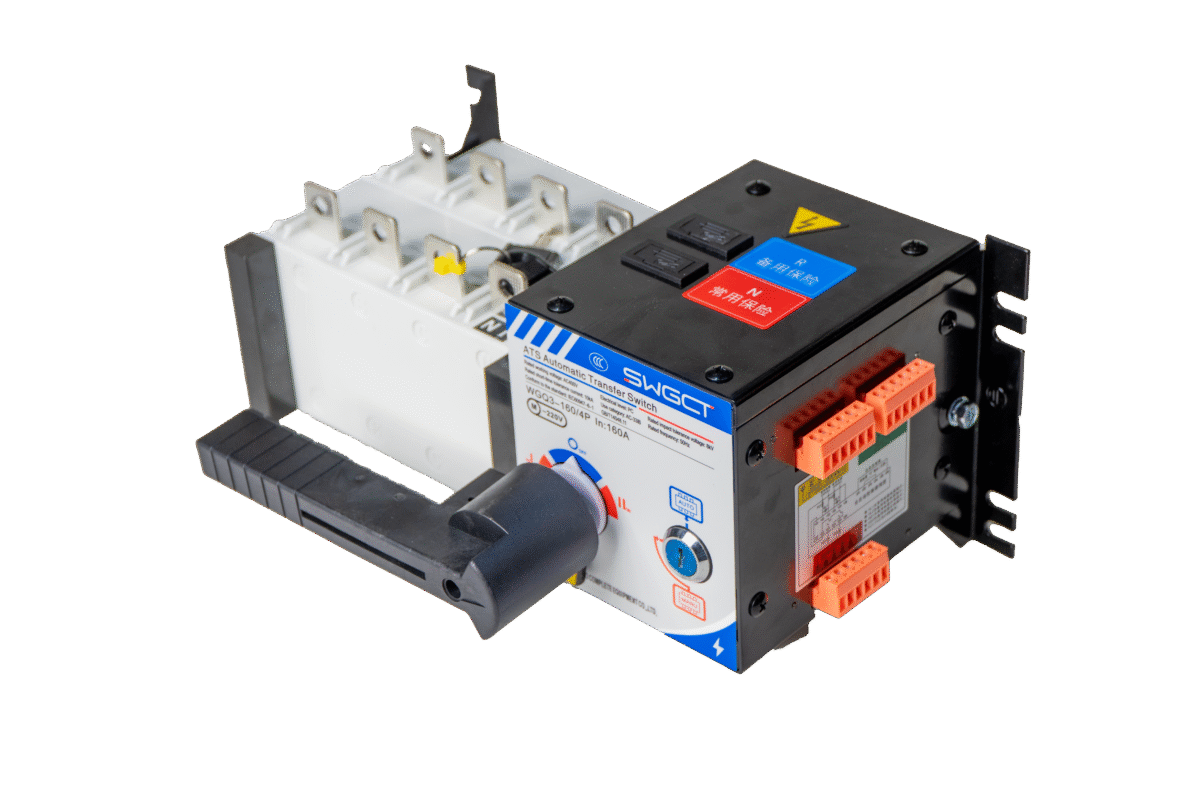
5. High Interrupting Capacity
Modern ACBs can handle short-circuit currents up to 200 kA in some models.
6. Safety
No risk of fluid leaks, explosions, or toxic emissions.
7. Modular Design
Available in withdrawable or fixed versions for easy upgrades and retrofits.
Limitations of Air Circuit Breakers
- Size and Weight – Larger and heavier than vacuum or SF₆ breakers for the same rating.
- Arc Duration – Slower arc extinction than vacuum breakers, potentially causing more contact wear.
- Noise – Arcing in air produces audible noise during operation.
- Limited High-Voltage Use – Not practical for very high-voltage systems due to large size and lower dielectric strength of air.
- Dust Sensitivity – Performance can be affected by contaminated or humid air.
Comparison: ACB vs. Other Circuit Breaker Types
| Feature | Air Circuit Breaker (ACB) | Vacuum Circuit Breaker (VCB) | SF₆ Gas Circuit Breaker | Oil Circuit Breaker |
|---|---|---|---|---|
| Arc Quenching Medium | Air | Vacuum | SF₆ gas | Mineral oil |
| Voltage Range | Up to 38 kV (mainly <1kV) | 1–38 kV | Up to 800 kV | Up to 765 kV |
| Environmental Impact | Zero GWP | Zero GWP | High GWP (SF₆) | Oil spill risk |
| Maintenance | Low–Moderate | Low | Moderate–High | High |
| Size | Large | Compact | Compact | Bulky |
| Cost (Initial) | Low–Moderate | Moderate–High | High | Low–Moderate |
| Reliability | High | Very High | High | Moderate |
| Noise Level | Audible | Quiet | Quiet | Quiet |
Applications of Air Circuit Breakers
- Low-Voltage Industrial Panels – Motor control centers, distribution boards, and switchgear.
- Commercial Buildings – Main service disconnects, panelboards, and feeder circuits.
- Data Centers – Power distribution units and backup generator systems.
- Renewable Energy Plants – Inverters, combiner boxes, and substation feeders.
- Marine and Offshore – Shipboard power systems and drilling rigs.
- Railway Electrification – Auxiliary power supply and traction control.
How to Select the Right Air Circuit Breaker
- Rated Voltage and Current Ensure compatibility with your system’s voltage and load current.
- Short-Circuit Breaking Capacity (Icu/Ics) Choose a breaker that can safely interrupt the maximum prospective fault current.
- Trip Unit Type Select thermal-magnetic, electronic, or microprocessor-based trip units based on protection needs.
- Physical Dimensions Consider space constraints in switchgear or panel design.
- Standards Compliance Look for certifications like IEC 60947-2, UL 489, or IEEE C37.13.
- Operational Environment Account for temperature, humidity, dust, and vibration levels.
Maintenance Best Practices for Air Circuit Breakers
- Visual Inspection – Check for loose terminals, corrosion, or damaged arc chutes.
- Contact Condition – Inspect for pitting, burning, or excessive wear.
- Lubrication – Apply appropriate grease to moving parts in the operating mechanism.
- Trip Unit Calibration – Test and adjust protection settings regularly.
- Operation Test – Manually trip and close the breaker to verify smooth function.
- Record Keeping – Maintain logs of tests, maintenance, and any fault events.
Future Trends in Air Circuit Breaker Technology
- Digital Trip Units – Advanced microprocessors for precise protection and communication.
- IoT Integration – Real-time monitoring of breaker health and performance.
- Eco-Design – Use of recyclable materials and energy-efficient manufacturing.
- Hybrid ACBs – Combining air interruption with solid-state or magnetic assistance.
- Predictive Maintenance – AI-driven analytics to forecast failures before they occur.
Conclusion
The air circuit breaker remains a cornerstone of modern electrical protection, offering a simple, safe, and cost-effective solution for a wide range of low- and medium-voltage applications. While newer technologies like vacuum and SF₆ breakers excel in specific areas, ACBs continue to be favored for their ease of use, environmental friendliness, and proven reliability.
As power systems evolve toward smarter and greener solutions, air circuit breakers are also advancing—integrating digital controls, connectivity, and predictive capabilities to meet the demands of Industry 4.0. For engineers, facility managers, and contractors seeking dependable circuit protection without complex maintenance or environmental concerns, the air circuit breaker is a smart, enduring choice.


