



Electrical Control Panel Components: 15 Essential Parts You Must Know


📊 Comprehensive Outline for “Electrical Control Panel Components”
| Heading Level | Topic |
|---|---|
| H1 | Electrical Control Panel Components: 15 Essential Parts |
| H2 | Introduction to Electrical Control Panel Components |
| H2 | Basic Structure of a Control Panel |
| H2 | Main Power Components Explained |
| H2 | Control and Automation Devices |
| H2 | Protection Devices in Panels |
| H2 | Monitoring and Display Units |
| H2 | Wiring and Connectivity Elements |
| H2 | Importance of Panel Layout Design |
| H2 | Applications in Different Industries |
| H2 | Benefits of Using Quality Components |
| H2 | Common Issues and Troubleshooting |
| H2 | Installation and Safety Guidelines |
| H2 | Maintenance Best Practices |
| H2 | Buying Guide for Components |
| H2 | FAQs |
| H2 | Conclusion |
Introduction to Electrical Control Panel Components
Electrical Control Panel Components are the backbone of any electrical system, ensuring safe distribution, control, and monitoring of power. From industrial automation to residential applications, these components work together to manage electrical operations efficiently.
Understanding Electrical Control Panel Components helps engineers, technicians, and business owners improve system performance, reduce downtime, and enhance safety.
Basic Structure of a Control Panel
A control panel is an enclosure that houses multiple Electrical Control Panel Components. Its structure typically includes:
- Enclosure (metal or plastic cabinet)
- Backplate for mounting components
- Door with interface controls
Proper layout ensures easy access, efficient cooling, and safe operation.
Main Power Components Explained
These are responsible for distributing electrical power throughout the system.
Circuit Breakers
Circuit breakers protect the system by interrupting power during overloads or short circuits.
Contactors
Contactors control high-power circuits and are commonly used in motors and lighting systems.
Transformers
Transformers adjust voltage levels to match system requirements.
Control and Automation Devices
Automation relies heavily on specialized Electrical Control Panel Components.
Programmable Logic Controllers (PLC)
PLCs act as the brain of the system, executing control logic.
Relays
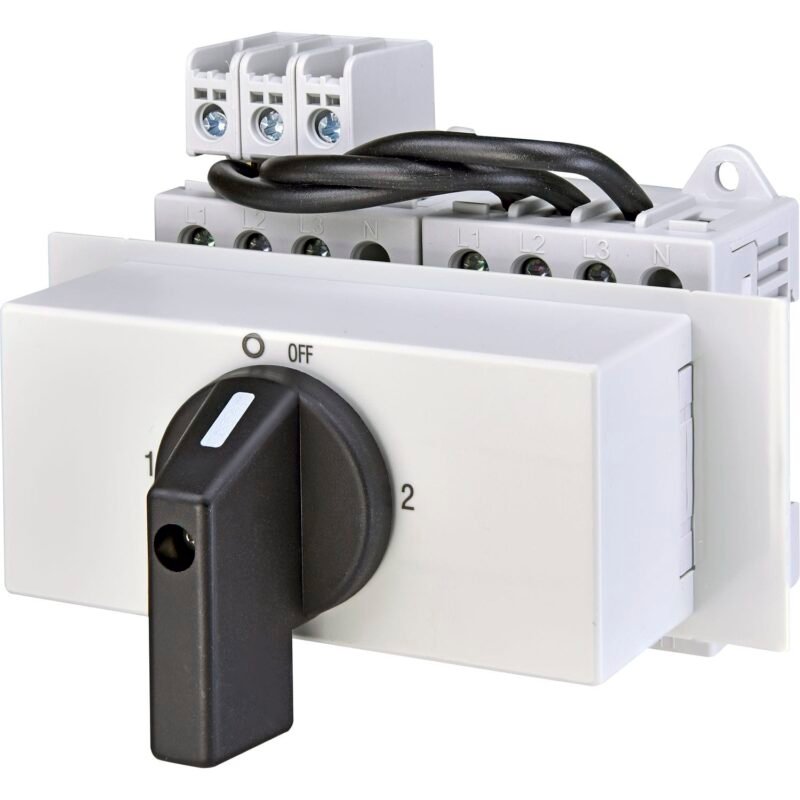
Relays switch circuits on and off based on signals.
Timers and Counters
Used to control time-based operations in automated processes.
Protection Devices in Panels
Protection is a critical function of Electrical Control Panel Components.
Fuses
Fuses provide basic protection by melting when current exceeds limits.
Surge Protection Devices
Devices like SPD protect against voltage spikes.
Overload Relays
These protect motors from overheating and excessive current.
Monitoring and Display Units
Modern panels include monitoring tools for better control.
Human Machine Interface (HMI)
HMI screens allow operators to interact with the system.
Meters and Indicators
Used to display voltage, current, and system status.
Wiring and Connectivity Elements
These components ensure proper electrical connections.
- Terminal blocks
- Wires and cables
- Busbars
Good wiring practices improve safety and reliability.
Importance of Panel Layout Design
A well-designed layout improves:
- Heat dissipation
- Maintenance access
- Operational safety
Poor design can lead to overheating and system failure.
Applications in Different Industries
Electrical Control Panel Components are used in:
- Manufacturing plants
- Power generation systems
- Building automation
- Oil and gas industry
Benefits of Using Quality Components
Improved Reliability
High-quality components reduce failure rates.
Enhanced Safety
Better protection mechanisms prevent accidents.
Long-Term Cost Savings
Durable components reduce maintenance costs.
Common Issues and Troubleshooting
Common problems include:
- Loose wiring
- Component failure
- Overheating
Regular inspection helps identify issues early.
Installation and Safety Guidelines
- Follow electrical standards
- Ensure proper grounding
- Use certified components
Maintenance Best Practices
- Schedule regular inspections
- Clean dust and debris
- Replace worn-out parts
Buying Guide for Components
When choosing Electrical Control Panel Components, consider:
- Compatibility
- Quality certifications
- Environmental conditions
For global standards, refer to
👉 https://www.ieee.org/
Internal Resources
Explore related topics:
👉 https://swgct.net/
👉 https://swgct.net/?s=Electrical+Control+Panel+Components&post_type=product&product_cat=0
FAQs
1. What are Electrical Control Panel Components?
They are devices used to control, protect, and monitor electrical systems.
2. Why are they important?
They ensure safe and efficient operation of electrical systems.
3. What is the most important component?
PLCs are often considered the most critical for automation.
4. How often should panels be maintained?
Regular maintenance is recommended every 6–12 months.
5. Can control panels be customized?
Yes, they can be designed based on specific requirements.
6. Are these components expensive?
Costs vary depending on quality and application.
Conclusion
Electrical Control Panel Components play a vital role in modern electrical and automation systems. By understanding their functions and selecting the right components, you can ensure safety, efficiency, and long-term reliability.


