



Molded Case Circuit Breaker (MCCB): 15 Powerful Insights You Must Know for Ultimate Electrical Safety


📊 Comprehensive Outline of Molded Case Circuit Breaker (MCCB)
| Heading Level | Topic |
|---|---|
| H1 | Molded Case Circuit Breaker (MCCB): Complete Guide |
| H2 | Introduction to Molded Case Circuit Breaker (MCCB) |
| H3 | What is an MCCB? |
| H3 | Importance in Electrical Systems |
| H2 | Components of MCCB |
| H3 | Molded Case |
| H3 | Trip Unit |
| H3 | Contacts and Arc Extinguishers |
| H2 | Working Principle of MCCB |
| H3 | Overload Protection Mechanism |
| H3 | Short Circuit Protection |
| H4 | Thermal vs Magnetic Tripping |
| H2 | Types of Molded Case Circuit Breaker (MCCB) |
| H3 | Thermal Magnetic MCCB |
| H3 | Electronic MCCB |
| H3 | Microprocessor-Based MCCB |
| H2 | Ratings and Specifications |
| H3 | Current Rating |
| H3 | Breaking Capacity |
| H3 | Voltage Rating |
| H4 | Poles and Frequency |
| H2 | Advantages of MCCB |
| H3 | Reliability |
| H3 | Flexibility |
| H3 | Enhanced Safety |
| H2 | Applications of MCCB |
| H3 | Industrial Usage |
| H3 | Commercial Buildings |
| H3 | Residential Installations |
| H2 | MCCB vs MCB: Key Differences |
| H3 | Capacity Comparison |
| H3 | Cost and Application |
| H2 | Installation Guidelines |
| H3 | Safety Precautions |
| H3 | Step-by-Step Installation |
| H2 | Maintenance and Troubleshooting |
| H3 | Common Issues |
| H3 | Preventive Maintenance Tips |
| H2 | Choosing the Right MCCB |
| H3 | Factors to Consider |
| H3 | Common Mistakes to Avoid |
| H2 | Future Trends in MCCB Technology |
| H3 | Smart MCCBs |
| H3 | Integration with IoT |
| H2 | FAQs about Molded Case Circuit Breaker (MCCB) |
| H2 | Conclusion |
🔌 Introduction to Molded Case Circuit Breaker (MCCB)
What is a Molded Case Circuit Breaker (MCCB)?
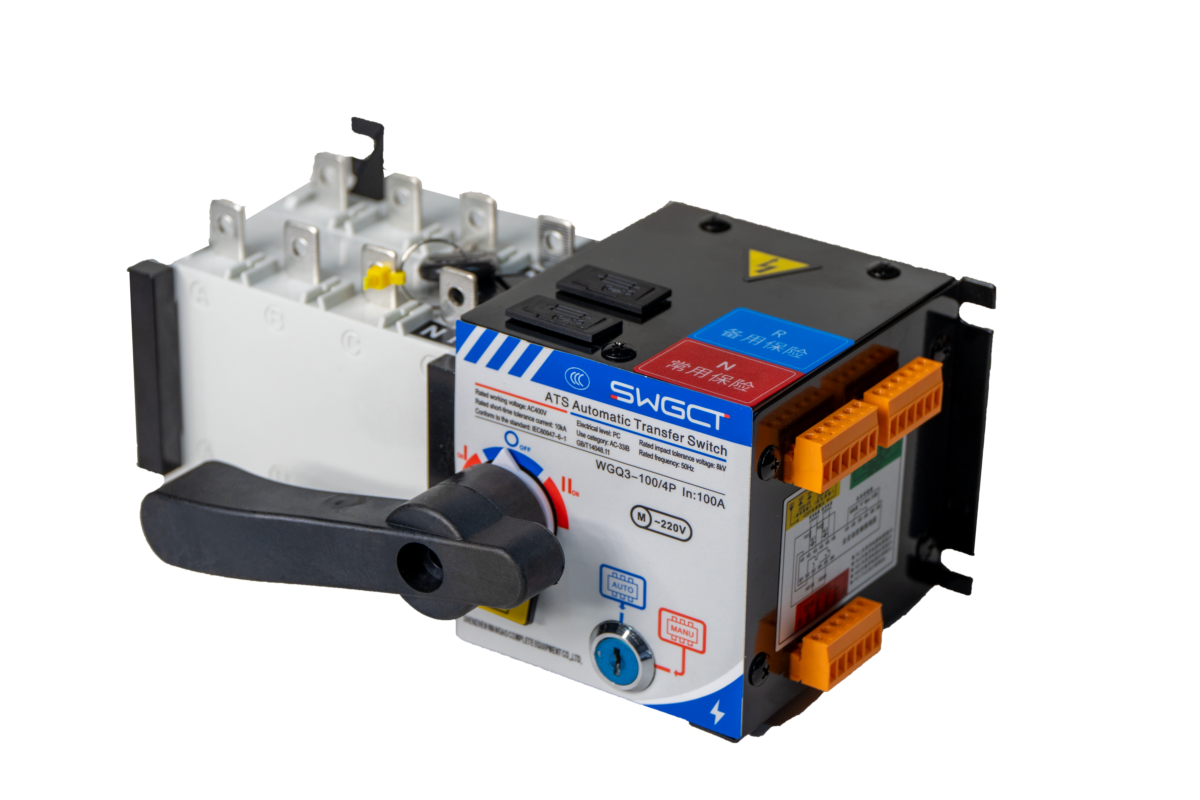
A Molded Case Circuit Breaker (MCCB) is an electrical protection device designed to safeguard circuits from damage caused by overloads and short circuits. It comes enclosed in a strong, insulated molded casing that protects internal components and ensures safe operation.
Unlike basic circuit breakers, MCCBs are built to handle higher current ratings, typically ranging from 100A to 2500A, making them suitable for industrial and commercial use.
Importance in Electrical Systems
In today’s energy-driven world, electrical safety is critical. MCCBs play a vital role by:
- Preventing electrical fires
- Protecting expensive equipment
- Ensuring system stability
- Reducing downtime in industries
Without MCCBs, electrical systems would be vulnerable to sudden failures and costly damages.
⚙️ Components of MCCB
Molded Case
The outer casing is made of durable insulating material. It protects the internal components from dust, moisture, and accidental contact.
Trip Unit
This is the brain of the MCCB. It detects abnormal conditions and triggers the breaker to trip. Trip units can be:
- Thermal
- Magnetic
- Electronic
Contacts and Arc Extinguishers
- Contacts carry current under normal conditions
- Arc extinguishers safely suppress arcs formed when the circuit breaks
⚡ Working Principle of MCCB
Overload Protection Mechanism
When current exceeds the rated limit for a prolonged period, the thermal element heats up and bends. This triggers the breaker to trip, cutting off power.
Short Circuit Protection
In case of a sudden surge, the magnetic element reacts instantly and disconnects the circuit.
Thermal vs Magnetic Tripping
| Feature | Thermal | Magnetic |
|---|---|---|
| Response Time | Slow | Instant |
| Use Case | Overload | Short Circuit |
| Mechanism | Heat-based | Electromagnetic |
🔍 Types of Molded Case Circuit Breaker (MCCB)
Thermal Magnetic MCCB
This type combines both thermal and magnetic protection. It is widely used due to its cost-effectiveness.
Electronic MCCB
Offers adjustable settings and higher accuracy. Ideal for modern electrical systems.
Microprocessor-Based MCCB
Advanced MCCBs use microprocessors for:
- Real-time monitoring
- Data logging
- Remote control
📐 Ratings and Specifications
Current Rating
Defines the maximum current the MCCB can handle safely.
Breaking Capacity
Indicates the maximum fault current the MCCB can interrupt without damage.
Voltage Rating
Specifies the operating voltage range.
Poles and Frequency
- Single Pole
- Double Pole
- Triple Pole
- Four Pole
Frequency typically ranges between 50Hz to 60Hz.
✅ Advantages of MCCB
Reliability
MCCBs are designed for long-term use with minimal failures.
Flexibility
Adjustable trip settings make them suitable for various applications.
Enhanced Safety
They provide superior protection compared to traditional breakers.
🏭 Applications of MCCB
Industrial Usage
Used in factories for heavy machinery protection.
Commercial Buildings
Installed in malls, offices, and hospitals.
Residential Installations
High-end homes use MCCBs for better safety.
⚖️ MCCB vs MCB: Key Differences
Capacity Comparison
| Feature | MCCB | MCB |
|---|---|---|
| Current Rating | High (up to 2500A) | Low (up to 125A) |
| Use Case | Industrial | Residential |
Cost and Application
MCCBs are more expensive but offer better protection and flexibility.
🔧 Installation Guidelines
Safety Precautions
- Turn off power before installation
- Use insulated tools
- Follow manufacturer instructions
Step-by-Step Installation
- Mount the MCCB securely
- Connect input and output wires
- Tighten terminals properly
- Test the breaker
🛠️ Maintenance and Troubleshooting
Common Issues
- Frequent tripping
- Loose connections
- Overheating
Preventive Maintenance Tips
- Regular inspections
- Cleaning dust and debris
- Tightening connections
🧠 Choosing the Right MCCB
Factors to Consider
- Load requirements
- Environment
- Breaking capacity
- Trip settings
Common Mistakes to Avoid
- Selecting wrong rating
- Ignoring future expansion
- Poor installation practices
🚀 Future Trends in MCCB Technology
Smart MCCBs
Modern MCCBs now include smart features like:
- Remote monitoring
- Fault diagnostics
- Energy tracking
Integration with IoT
Integration with IoT allows real-time alerts and improved energy efficiency.
❓ FAQs about Molded Case Circuit Breaker (MCCB)
1. What is the main function of an MCCB?
It protects electrical circuits from overloads and short circuits.
2. What is the difference between MCCB and MCB?
MCCBs handle higher currents and offer adjustable settings, unlike MCBs.
3. Where are MCCBs commonly used?
They are used in industrial, commercial, and large residential setups.
4. Can MCCBs be reused after tripping?
Yes, they can be reset after identifying and fixing the fault.
5. How long does an MCCB last?
With proper maintenance, it can last 10–20 years.
6. Are MCCBs safe for home use?
Yes, especially for large homes with heavy electrical loads.
🏁 Conclusion
The Molded Case Circuit Breaker (MCCB) is an essential component in modern electrical systems. It offers reliable protection, flexibility, and advanced features that ensure safety and efficiency. Whether used in industries, commercial spaces, or high-end homes, MCCBs provide unmatched performance.
As technology evolves, MCCBs are becoming smarter and more integrated, making them a future-ready solution for electrical protection.


