



Molded Case Circuit Breakers: A Comprehensive Guide to Safety and Efficiency

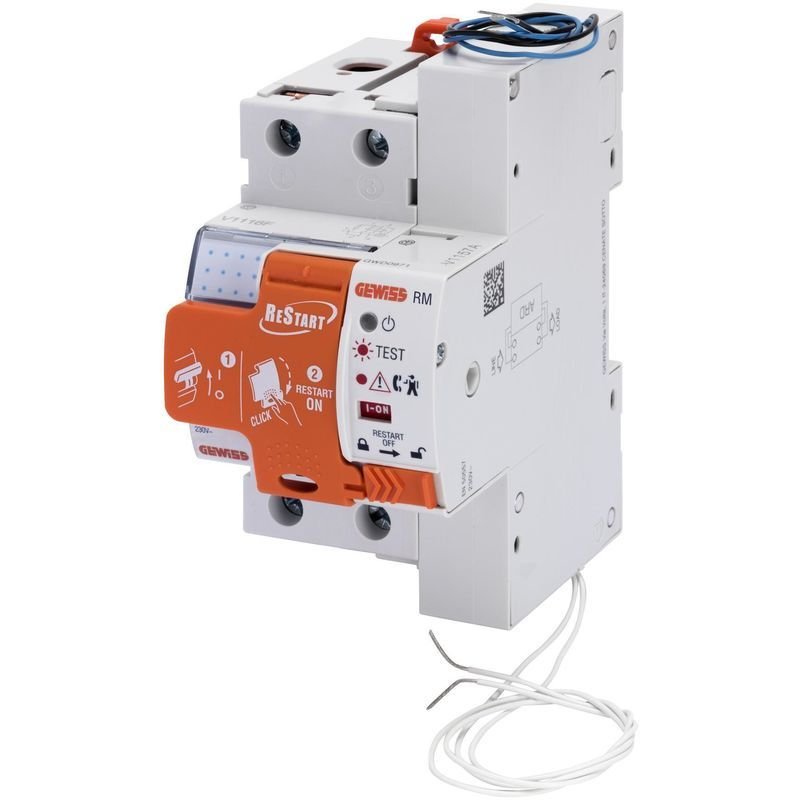
Molded case circuit breakers (MCCBs) are critical components in modern electrical systems, designed to protect circuits from overloads, short circuits, and other faults. Whether in industrial plants, commercial buildings, or residential complexes, MCCBs ensure the reliability of electrical infrastructure while safeguarding equipment and personnel. In this guide, we’ll explore what MCCBs are, how they work, their key benefits, applications, selection criteria, and maintenance tips—all optimized for SEO to help you find the answers you need.
What Are Molded Case Circuit Breakers?
A molded case circuit breaker is an automatic electrical switch housed in a molded thermoset plastic casing (hence the name). Unlike miniature circuit breakers (MCBs), which are typically used for low-current residential applications, MCCBs handle higher current ratings—ranging from 15 amps to 2,500 amps—making them ideal for demanding environments.
The “molded case” refers to the insulating enclosure, usually made of materials like epoxy resin or polycarbonate. This casing not only protects internal components but also enhances durability against heat, moisture, and mechanical stress. MCCBs integrate three core functions:
- Overload protection: Detects prolonged excessive current (e.g., due to overloaded motors).
- Short-circuit protection: Instantly interrupts massive current surges (e.g., from faulty wiring).
- Manual operation: Allows users to turn circuits on/off manually during maintenance or emergencies.
How Do MCCBs Work? The Technology Behind Protection
At the heart of an MCCB lies a precision-engineered mechanism combining thermal and magnetic trip units:
1. Thermal Trip Unit (Overload Protection)
This component uses a bimetallic strip that bends when heated by sustained overcurrent. For example, if a motor draws 120% of its rated current for several minutes, the strip heats up, bends, and triggers the latch mechanism to open the contacts—cutting power before wires overheat or insulation melts.
2. Magnetic Trip Unit (Short-Circuit Protection)
For sudden, extreme current spikes (short circuits), an electromagnet activates almost instantly. When a fault occurs (e.g., a live wire touches a ground), the magnetic force pulls a plunger, releasing the latch within milliseconds—far faster than thermal protection—to prevent catastrophic damage.
3. Mechanical Components
Additional parts include contactors (conductive blades that carry current), arc chutes (which extinguish electrical arcs generated during interruption), and operating handles (for manual control). Together, these ensure reliable performance even under harsh conditions.
Key Benefits of Molded Case Circuit Breakers
Why choose MCCBs over other protective devices? Here are their standout advantages:
1. Enhanced Safety
By interrupting faults quickly, MCCBs minimize fire risks, equipment damage, and electrical shocks. Their insulated casings also reduce the chance of accidental contact with live parts.
2. Adjustable Trip Settings
Unlike fixed-rated MCBs, many MCCBs offer adjustable thermal and magnetic trip thresholds. For instance, a 100A MCCB might allow settings between 70A–100A for overloads and 800A–1,200A for short circuits—ideal for customizing protection based on load requirements.
3. High Interrupting Capacity
MCCBs boast impressive breaking capacities (up to 200 kA at 480V AC), meaning they can safely disconnect massive fault currents without rupturing or sustaining damage.
4. Durability & Compact Design
Modern MCCBs are built to last, with corrosion-resistant coatings and rugged casings. Despite handling high currents, they remain compact compared to older oil-filled breakers, saving space in electrical panels.
5. Compliance with Standards
Reputable MCCBs meet global safety certifications like UL 489 (U.S.), IEC 60947 (Europe), and CSA C22.2 (Canada), ensuring compatibility with regional electrical codes.
Applications of MCCBs: Where Are They Used?
MCCBs are versatile and widely deployed across sectors:
Industrial Facilities
Factories rely on MCCBs to protect heavy machinery (motors, transformers, welding equipment) from overloads. Their high current ratings make them suitable for powering entire production lines.
Commercial Buildings
Office towers, shopping malls, and hospitals use MCCBs to safeguard HVAC systems, lighting panels, and data centers. Adjustable trips ensure sensitive electronics aren’t damaged by minor fluctuations.
Renewable Energy Systems
Solar farms and wind turbines depend on MCCBs to manage variable loads and protect inverters from grid faults. Their weather-resistant designs suit outdoor installations.
Residential Complexes (Large-Scale)
While homes typically use MCBs, apartment buildings or luxury estates with central AC units, EV chargers, or backup generators benefit from MCCBs’ higher capacity.
How to Choose the Right MCCB: Key Selection Criteria
Selecting the wrong MCCB can compromise safety or efficiency. Follow these steps:
1. Determine Rated Current (In)
Match the MCCB’s rated current to the circuit’s maximum continuous load. For example, a 60A heater circuit requires an MCCB rated slightly above 60A (typically 63A or 80A).
2. Check Voltage Rating (Vn)
Ensure the MCCB supports your system voltage (e.g., 240V AC single-phase or 480V AC three-phase). Using a mismatched voltage rating risks insulation breakdown.
3. Assess Breaking Capacity (Icu/Ics)
Choose a breaking capacity exceeding the maximum potential fault current at your installation point. For urban areas with robust grids, 35 kA may suffice; remote locations might require 65 kA+.
4. Evaluate Trip Unit Type
- Thermal-magnetic: Standard for most applications (combines overload and short-circuit protection).
- Electronic: Offers precise, customizable trips via microprocessors—ideal for complex systems needing data logging or remote monitoring.
5. Consider Mounting Style
MCCBs come in fixed or draw-out designs. Draw-out models simplify maintenance by allowing removal without dismantling the panel.
Maintenance Tips for Long-Term Reliability
Proper care extends MCCB lifespan and ensures consistent protection:
- Annual Inspections: Check for loose connections, cracked casings, or burnt odors. Clean dust/debris from vents.
- Test Trip Mechanisms: Use a calibrated tester to verify thermal/magnetic trips activate at specified thresholds.
- Monitor Operating Temperature: Excessive heat (above 40°C ambient) accelerates wear—ensure adequate ventilation.
- Replace Aging Units: Even well-maintained MCCBs degrade over time (typical lifespan: 15–25 years). Upgrade if trips become erratic.
Conclusion: Why MCCBs Matter
Molded case circuit breakers are unsung heroes of electrical safety. By combining robust construction, adjustable protection, and compliance with global standards, they protect everything from factory floors to smart homes. Whether upgrading an existing system or designing a new one, investing in quality MCCBs—paired with proper selection and maintenance—ensures uninterrupted power and peace of mind.
Need help choosing the right MCCB for your project? Consult a licensed electrician or refer to manufacturer guidelines for tailored recommendations.


