



Power Source Switching System: Ensuring Reliable Power Transfer in Critical Applications

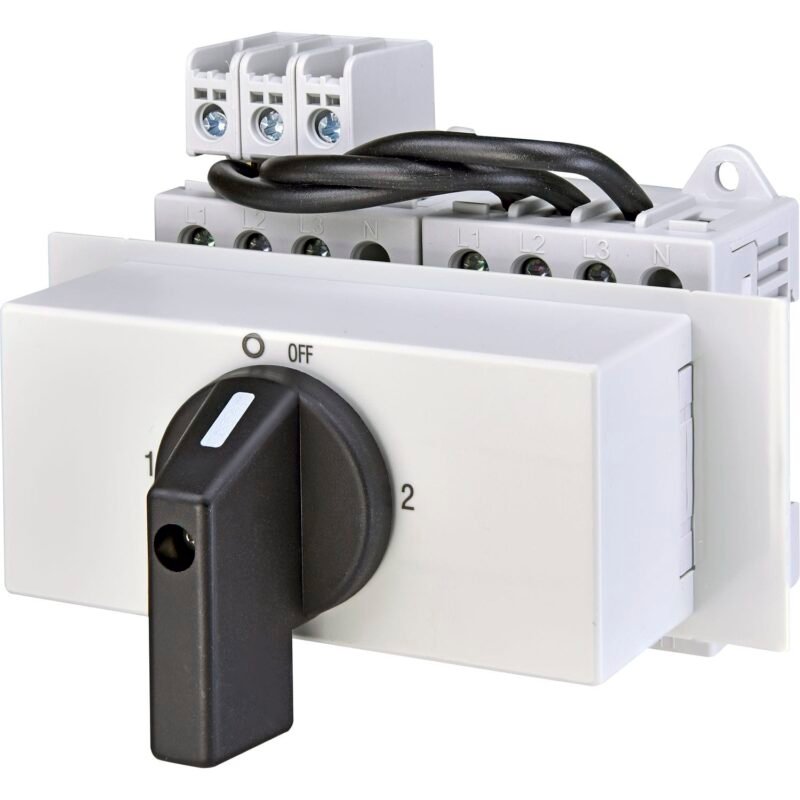
A power source switching system is a key part of modern electrical infrastructure, designed to manage the transfer of electrical loads between two or more power sources. These systems are widely used in industrial, commercial, and infrastructure projects where power continuity, system safety, and operational reliability are critical.
As power networks become more complex and backup power solutions are increasingly required, well-designed power source switching systems play an essential role in maintaining stable operations.
What Is a Power Source Switching System?
A power source switching system refers to a coordinated electrical setup that controls how power is transferred between different sources. These sources may include:
- Utility power and backup generators
- Dual utility feeders
- Utility power and renewable energy systems
The system ensures that only one power source supplies the load at any given time, preventing back-feeding and electrical conflicts. Depending on project requirements, the system may operate automatically, manually, or in a hybrid mode.
How a Power Source Switching System Works
The core function of a power source switching system is based on monitoring and control. Electrical parameters such as voltage, frequency, and phase condition are continuously observed.
When the primary power source becomes unstable or fails, the system initiates a controlled switching sequence:
- Detects abnormal power conditions
- Disconnects the load from the primary source
- Connects the load to the secondary power source
- Monitors restoration of the primary supply
- Transfers the load back once conditions stabilize
This process ensures smooth and safe power transfer while minimizing disruption to connected equipment.
Key Components of a Power Source Switching System
A complete power source switching system typically includes:
- Automatic or manual changeover switches
- Automatic transfer switches (ATS)
- Control and monitoring units
- Protection devices such as circuit breakers
- Mechanical or electrical interlocking mechanisms
The coordination of these components determines the overall reliability and performance of the system.
Benefits of a Well-Designed Power Source Switching System
Continuous Power Supply
Automatic and fast switching helps maintain uninterrupted power, especially for critical loads and essential services.
Improved Electrical Safety
Proper isolation between power sources prevents back-feeding, short circuits, and potential hazards to personnel and equipment.
System Flexibility
Power source switching systems can be adapted to different configurations, including single-phase, three-phase, and dual power networks.
Reduced Operational Risk
Automated switching reduces dependence on manual intervention during emergencies or power outages.
Typical Applications
Power source switching systems are commonly used in:
- Industrial manufacturing plants
- Commercial buildings and office complexes
- Hospitals and healthcare facilities
- Data centers and communication networks
- Infrastructure and EPC turnkey projects
In these environments, stable power supply is directly linked to safety, productivity, and operational continuity.
Key Considerations When Designing a Power Source Switching System
Designing an effective power source switching system requires careful evaluation of:
- Load characteristics and capacity
- Power source compatibility
- Switching speed and control logic
- Coordination with protection systems
- Compliance with applicable electrical standards
Poor system design can result in unnecessary outages, equipment damage, or operational inefficiencies.
Practical Experience from Power Distribution Projects
In real-world power distribution projects, power source switching systems must perform reliably under varying load conditions and installation environments. Factors such as ambient temperature, installation space, and system expansion requirements all influence long-term performance.
At SWGCT, power source switching systems are supplied as part of integrated power solutions for industrial and commercial projects. Practical experience shows that systems with clear control logic, reliable switching components, and proper coordination between devices help reduce maintenance issues and improve overall system stability.
Engineers often prioritize simplicity, reliability, and compliance when specifying switching systems for long-term operation.
Manual vs Automatic Power Source Switching Systems
Manual switching systems rely on operator intervention and are typically used in non-critical applications. Automatic power source switching systems, on the other hand, respond immediately to power abnormalities, making them suitable for critical power applications where downtime must be minimized.
In many modern projects, automatic or hybrid systems are preferred due to their faster response and higher reliability.


