



Electrical Control Systems 101: A Beginner’s Guide to Building Smart, Reliable Operations

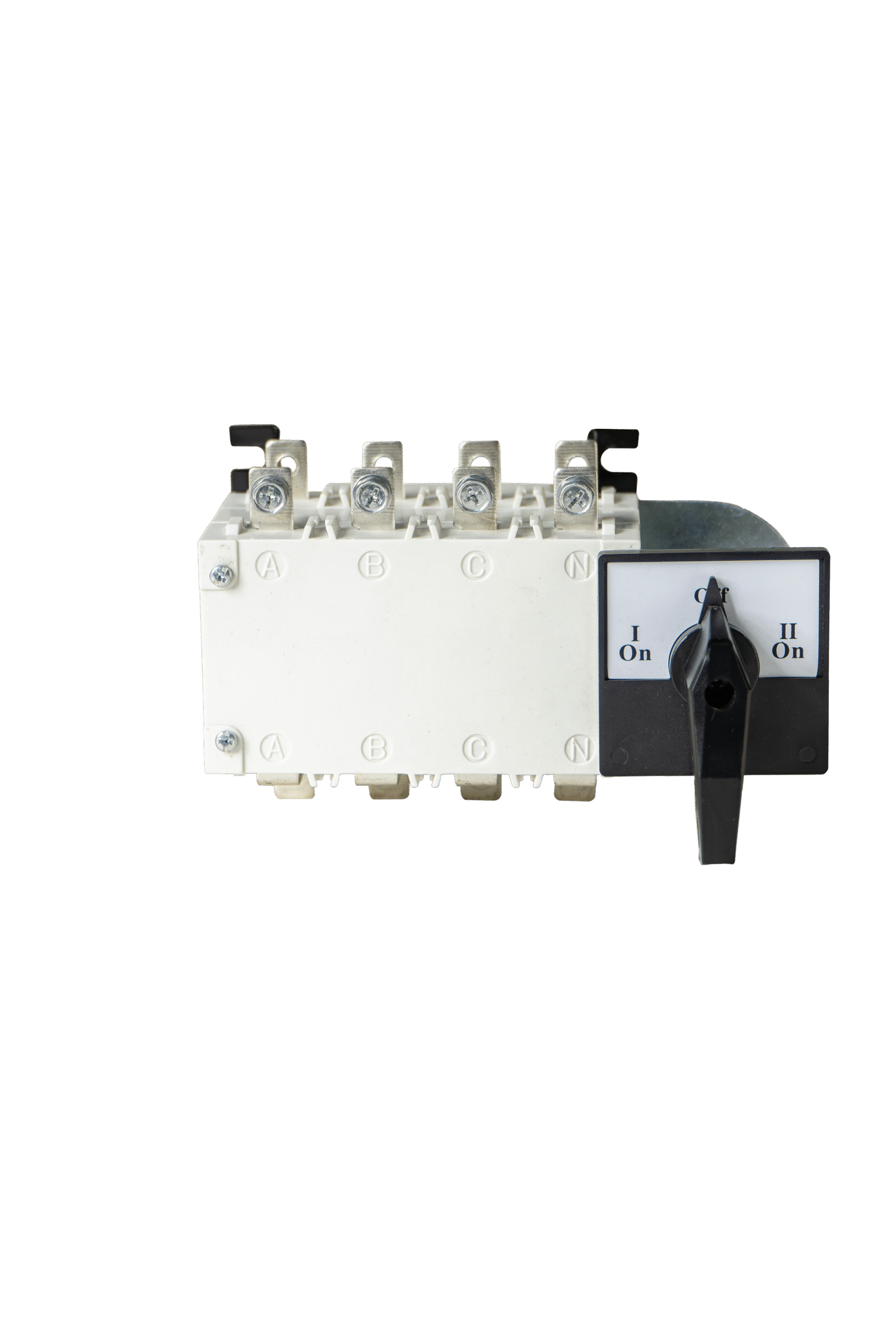
If you’ve ever wondered how factories, power plants, or even elevators operate with such precision, the answer lies in electrical control systems (ECS). These systems are the invisible force behind modern machinery, turning simple commands into coordinated actions that drive productivity, safety, and efficiency.
For small business owners, facility managers, or anyone new to industrial automation, understanding the basics of ECS is the first step toward optimizing your operations. In this beginner-friendly guide, we’ll cover what electrical control systems are, how they work, common components, and how SWGCTcan help you get started—with reliable components and expert support.
What Is an Electrical Control System? (In Simple Terms)
Imagine you’re driving a car. The steering wheel, pedals, and gear shift are your “inputs” (what you control), the engine and wheels are the “outputs” (what move), and the car’s computer (along with wires and sensors) is the “control system” that makes everything work together. An electrical control system does the same thing for industrial machinery—it connects inputs (like buttons or sensors), processes the information, and sends signals to outputs (like motors or valves) to perform specific tasks.
In technical terms, an ECS is a network of electrical circuits, devices, and software that:
- Receives input (e.g., a sensor detecting a high temperature or an operator pressing a start button).
- Processes the input (using logic to decide what action to take).
- Sends output (to control equipment like pumps, conveyors, or lights).
Key Components of an Electrical Control System
Think of an ECS as a team, where each member has a specific role. Here are the core “players”:
1. Input Devices: The “Eyes and Ears”
These detect conditions or commands and send signals to the control system. Common examples include:
- Pushbuttons and Switches: Manual controls (e.g., an “ON/OFF” button for a machine).
- Sensors: Automatically detect physical changes like temperature (thermocouples), pressure (pressure switches), proximity (inductive sensors for metal objects), or light (photoelectric sensors).
2. Control Logic: The “Brain”
This is where decisions are made. Traditional systems use electromechanical relays (switches controlled by magnets) or programmable logic controllers (PLCs)—tiny computers that run custom programs to process inputs and determine outputs. Modern ECS often rely on PLCs for their flexibility and scalability.
3. Output Devices: The “Muscles”
These execute the actions based on the control logic’s commands. Examples include:
- Motors: Power machinery like conveyors, fans, or pumps.
- Valves: Control fluid flow (e.g., in water treatment or chemical plants).
- Indicators: Lights or alarms to signal status (e.g., a red light for “error”).
How Does an Electrical Control System Work? (Step-by-Step)
Let’s use a simple example: A conveyor belt in a packaging factory.
- Input: An operator presses a “START” button (input device), or a sensor detects products arriving on the line.
- Processing: The PLC receives the signal and checks if all conditions are safe (e.g., no jams, motor temperature is normal).
- Output: If everything’s good, the PLC sends a signal to the conveyor motor (output device), which starts moving the belt. If a problem is detected (e.g., a jam), the PLC triggers an alarm or stops the motor automatically.
Why Electrical Control Systems Matter for Your Business
Even if you’re not in manufacturing, ECS are everywhere:
- Small Workshops: Controlling lathes, drills, or welding machines with safety switches and foot pedals.
- Commercial Buildings: Automating lighting, HVAC, and elevator systems to save energy.
- Farms: Managing irrigation pumps or greenhouse climate control with sensors and timers.
The advantages of a well-designed ECS include:
✅ Safety: Emergency stop circuits and overload protection prevent accidents.
✅ Efficiency: Automated systems reduce labor costs and minimize waste.
✅ Reliability: Consistent operation ensures fewer breakdowns and downtime.
✅ Scalability: Easy to expand as your business grows (e.g., adding more machines to a line).
Common Challenges and How to Avoid Them
For beginners, here are some pitfalls to watch out for:
- Overloading Circuits: Using components that can’t handle your equipment’s power needs (e.g., a small relay for a high-power motor).
- Poor Wiring: Loose connections or incorrect wire sizes can cause malfunctions or even fires.
- Lack of Maintenance: Dust, moisture, or worn-out components can degrade performance over time.
The solution? Partner with experts who provide high-quality components and guidance tailored to your needs.
How SWGCTHelps You Get Started
Whether you’re building a basic control panel or upgrading to a smart ECS, SWGCTis your ideal partner. As a cross-border e-commerce platform specializing in industrial electrical solutions, we offer:
📦 Essential Components for Every ECS
- PLCs and Relays: Explore our PLC selection(including brands like Siemens and Mitsubishi) and reliable relaysfor all voltage levels.
- Motor Controls: Motor startersand variable frequency drives (VFDs)to power and regulate your machinery.
- Sensors and Switches: Proximity sensors, limit switches, and emergency stop buttons for precise input.
- Control Panels: Pre-wired or customizable panels to house your components safely.
🛡️ Quality You Can Trust
All our products meet international standards (IEC, UL, CE) and are tested for durability in harsh conditions (dust, moisture, vibrations).
🌐 Global Support
With fast shipping to over 200 countries and a team of electrical experts, we’re here to answer your questions—from “What PLC do I need?” to “How do I wire this relay?”
Your Journey to Smarter Control Starts Here
Electrical control systems might seem complex, but they’re the key to unlocking efficiency, safety, and growth in your operations. Whether you’re a DIY enthusiast, a small business owner, or a facility manager, understanding the basics—and choosing the right components—makes all the difference.
👉 Explore our ECS componentsor get in touch with our teamto start building your system today. With SWGCT, you’re not just buying parts—you’re gaining a partner in power.


