



ATS Switch: Ensuring Uninterrupted Power with SWGCT Solutions


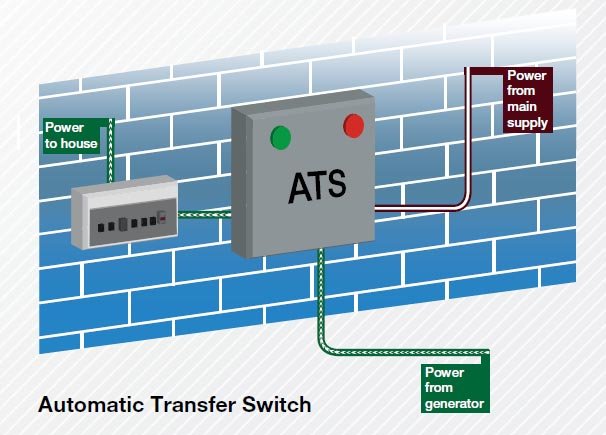
An ATS Switch (Automatic Transfer Switch) is a critical component in modern electrical systems. It automatically transfers power from the main utility supply to a backup generator during outages, ensuring that homes, commercial buildings, and industrial facilities continue to operate smoothly.
With rising demands for power reliability, ATS switches have become indispensable. SWGCT (https://swgct.net/) provides advanced ATS solutions that combine safety, efficiency, and compliance with international standards, helping businesses and homeowners maintain uninterrupted operations.
What is an ATS Switch?
An ATS Switch is an electrical device that automatically switches the load between two or more power sources, typically the main utility and a backup generator. Unlike manual transfer switches, an ATS switch reacts instantly to power disruptions, eliminating downtime and reducing human error.
Key Benefits of an ATS Switch
- Automatic Operation: Detects outages and switches power seamlessly.
- Safety: Prevents back-feeding and protects connected equipment.
- Reliability: Maintains continuous operations for critical systems.
How an ATS Switch Works
The operation of an ATS switch relies on real-time monitoring of voltage and frequency.
- Detection: Sensors constantly monitor the primary power source.
- Transfer: Upon detecting a failure, the ATS switch disconnects the main supply and connects the backup generator.
- Retransfer: Once normal voltage is restored, the switch reconnects the load to the main source.
- Protection: Mechanical and electrical interlocks ensure that both sources are never connected simultaneously, avoiding hazards.
Modern ATS switches may also include digital monitoring, allowing operators to track performance and receive alerts remotely.
Applications of ATS Switches
Residential Use
In homes, an ATS switch ensures that critical appliances—such as refrigerators, heating systems, and medical devices—remain powered during outages. With automatic switching, homeowners experience minimal disruption and enhanced safety.
Commercial Buildings
Offices, malls, and data centers rely on ATS switches to maintain lighting, security systems, elevators, and IT infrastructure. Continuous power improves productivity, prevents data loss, and safeguards sensitive equipment.
Industrial Facilities
Factories, plants, and utilities use ATS switches to avoid costly downtime. Automatic switching protects heavy machinery and automation systems, ensuring operational continuity even during grid failures.
Types of ATS Switches
- Open Transition ATS: Introduces a brief interruption during transfer; suitable for most general applications.
- Closed Transition ATS: Transfers power without interruption, ideal for sensitive electronics.
- Delayed Transition ATS: Adds a short time delay to prevent generator overload and manage sequential startups.
Advantages of Using an ATS Switch
- Seamless Power Transfer: Eliminates manual switching and reduces downtime.
- Enhanced Safety: Prevents back-feeding and electrical faults.
- Operational Efficiency: Supports industrial automation and building management systems.
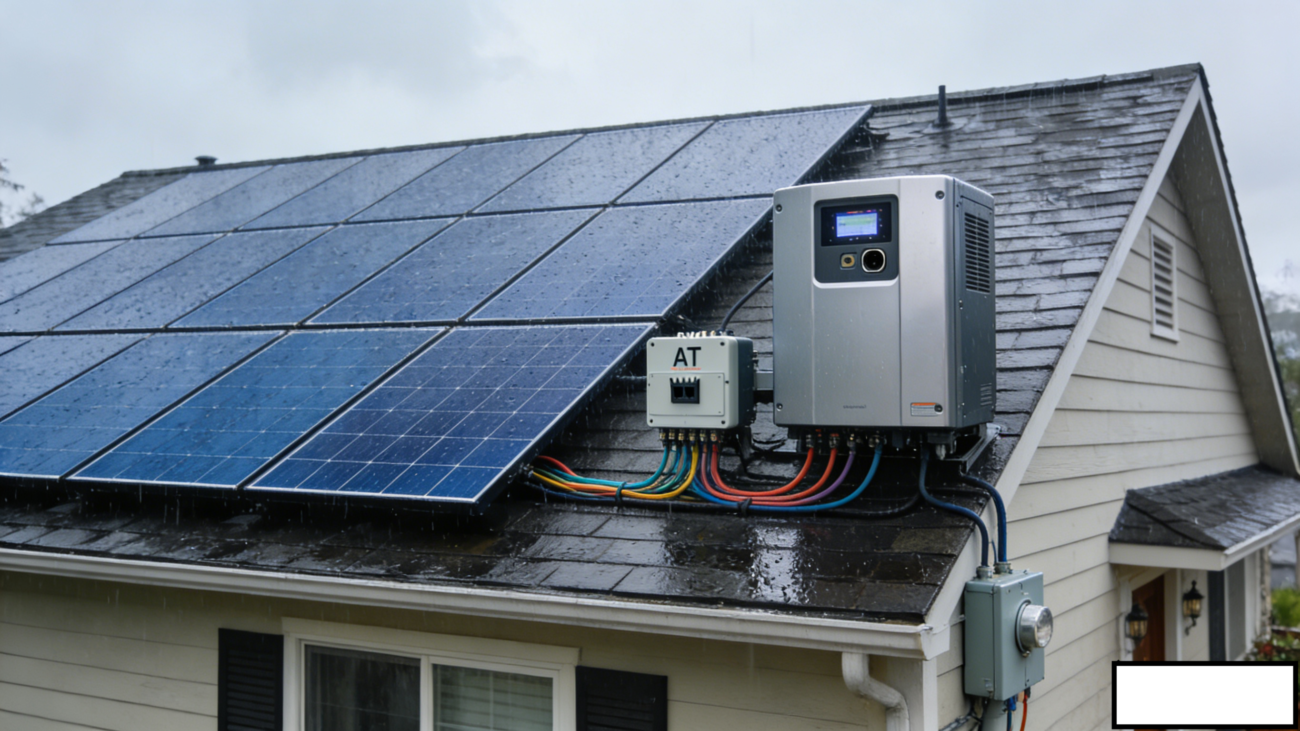
- Flexibility: Compatible with renewable energy sources such as solar or hybrid systems.
- Smart Integration: Remote monitoring and predictive maintenance enhance system reliability.
Maintenance and Reliability
Routine maintenance is essential for ATS switches to operate reliably:
- Inspect contacts and control circuits.
- Test transfer functionality.
- Clean components to prevent dust-related faults.
SWGCT offers ATS switches designed for durability and low maintenance, ensuring long-term performance across diverse environments.
Energy Efficiency and Modern Features
Modern ATS switches minimize energy loss with low-resistance contacts and optimized switching algorithms. Advanced models integrate IoT sensors, digital monitoring, and predictive alerts, allowing operators to address potential issues before failures occur.
These innovations improve reliability while supporting sustainability and energy efficiency goals.
Future Trends in ATS Switching
The future of ATS switches is moving toward smart, connected solutions.
- Integration with smart grids
- Real-time monitoring and remote diagnostics
- Predictive maintenance using AI and IoT
- Renewable energy compatibility
These advancements ensure that ATS switches remain a vital component of modern, resilient electrical systems.
Why Choose SWGCT for Your ATS Switch Needs?
At SWGCT (https://swgct.net/), we provide high-quality ATS switches suitable for residential, commercial, and industrial applications. Our solutions are:
- Compliant with international safety standards
- Durable for harsh environmental conditions
- Designed for seamless integration with modern electrical infrastructure
By choosing SWGCT, you invest in reliable, efficient, and long-lasting power solutions.
FAQs About ATS Switches
Q1: What is the main difference between an ATS switch and a manual transfer switch?
A: An ATS switch operates automatically, while a manual switch requires human intervention to transfer power.
Q2: Can an ATS switch work with solar or hybrid systems?
A: Yes, many modern ATS switches are compatible with renewable energy sources.
Q3: How often should an ATS switch be tested?
A: Annual testing and routine inspections are recommended to ensure reliability.


