



Automatic Transfer Switch: How It Works and Why Reliable Power Supply Is Essential

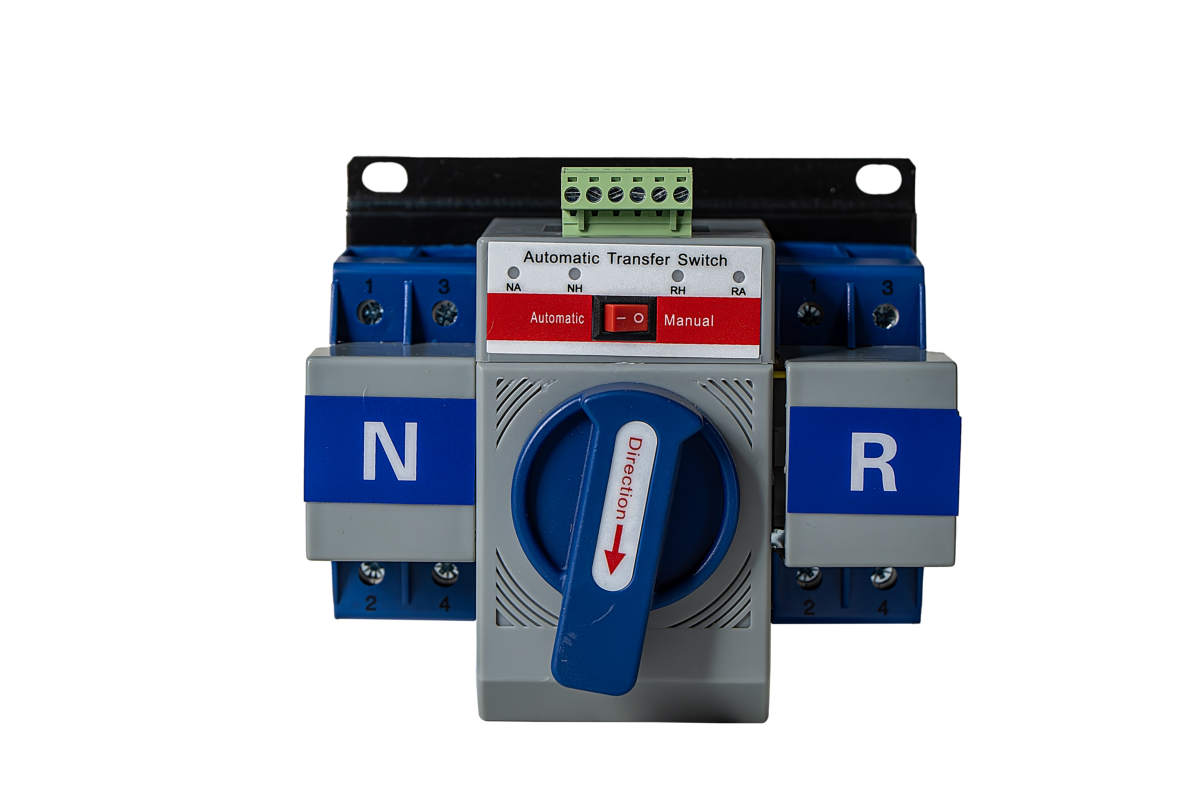
An automatic transfer switch is a key component in modern power distribution systems, designed to ensure continuous electricity supply when the main power source fails. As power reliability becomes increasingly important for residential, commercial, and industrial users, automatic transfer switches are widely used to minimize downtime and protect critical equipment.
Unlike manual switching solutions, an automatic transfer switch operates without human intervention, allowing systems to respond immediately to power interruptions. This makes it an essential device in applications where power continuity and safety are critical.
What Is an Automatic Transfer Switch?
An automatic transfer switch is an electrical device that monitors the status of a primary power source and automatically transfers the load to a secondary source when abnormalities occur. The secondary source is commonly a backup generator or an alternative utility supply.
Once the main power source is restored and stabilized, the automatic transfer switch safely switches the load back. This process ensures uninterrupted operation while preventing electrical hazards such as back-feeding or improper source connection.
How an Automatic Transfer Switch Works
The working principle of an automatic transfer switch is based on continuous monitoring of voltage, frequency, and phase conditions. When the device detects power failure, under-voltage, or phase loss, it initiates a switching sequence.
The typical operating process includes:
- Monitoring the main power supply
- Detecting abnormal electrical conditions
- Disconnecting the load from the primary source
- Connecting the load to the backup power source
- Automatically returning to the main supply once conditions normalize
This rapid switching process helps maintain system stability and prevents unnecessary equipment shutdown.
Key Benefits of Using an Automatic Transfer Switch
Uninterrupted Power Supply
An automatic transfer switch significantly reduces power interruption time, ensuring continuous operation of essential systems.
Improved Electrical Safety
By isolating power sources during switching, the device helps prevent electrical accidents and protects both equipment and maintenance personnel.
Reduced Manual Intervention
Automation eliminates the need for on-site manual switching, especially during emergencies or unattended operation periods.
Wide Application Compatibility
Automatic transfer switches are suitable for single-phase and three-phase systems and can be integrated with various backup power solutions.
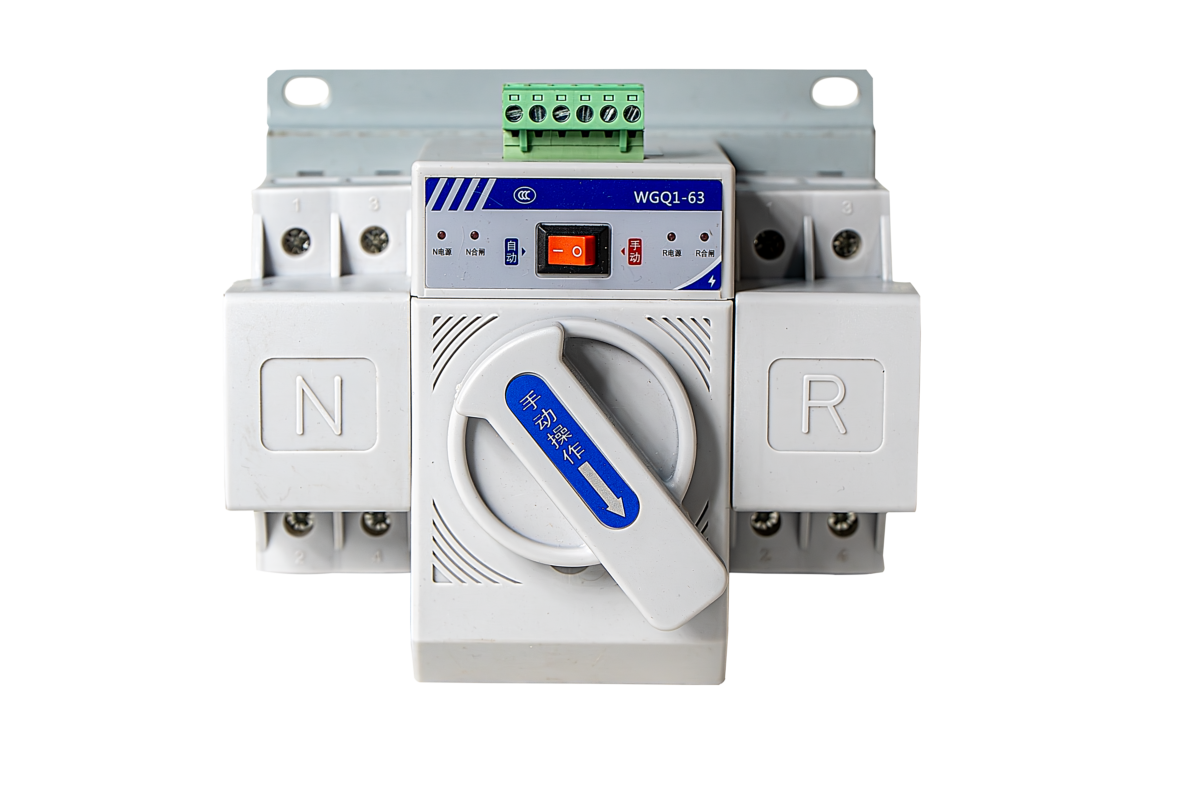
Common Applications of Automatic Transfer Switches
Automatic transfer switches are widely applied in:
- Industrial manufacturing facilities
- Commercial buildings and shopping centers
- Hospitals and healthcare facilities
- Data centers and telecommunications systems
- Residential buildings with backup generators
In industrial environments, even brief power interruptions can result in production losses. In commercial and public facilities, reliable power ensures safety, comfort, and operational continuity.
Selecting the Right Automatic Transfer Switch
Choosing the appropriate automatic transfer switch requires careful consideration of several factors:
- Rated current and voltage
- Load type and capacity
- Number of poles and phases
- Switching speed and control logic
- Compliance with international electrical standards
Proper selection ensures reliable performance, longer service life, and compatibility with the overall power system design.
Practical Considerations from Power Distribution Projects
In real-world power distribution projects, reliability and system coordination are often more important than theoretical specifications alone. Installation environment, load stability, and long-term maintenance all influence the performance of an automatic transfer switch.
At SWGCT, automatic transfer switches are commonly supplied for applications where consistent power transfer and system safety are required. Through practical project experience, it has been observed that well-matched automatic transfer switches help reduce operational risks and improve overall power system efficiency.
Engineers often prioritize clear switching logic, stable mechanical performance, and compliance with recognized electrical standards when selecting these devices. These considerations simplify installation and support long-term system reliability.
Automatic Transfer Switch vs Manual Transfer Switch
Compared with manual transfer switches, an automatic transfer switch offers faster response and improved safety. Manual switches rely on human operation, which may lead to delays or errors during power outages. For applications where downtime is unacceptable, automatic solutions are generally preferred.