



Customizing Control & Protection Switches for Unique Industrial Applications

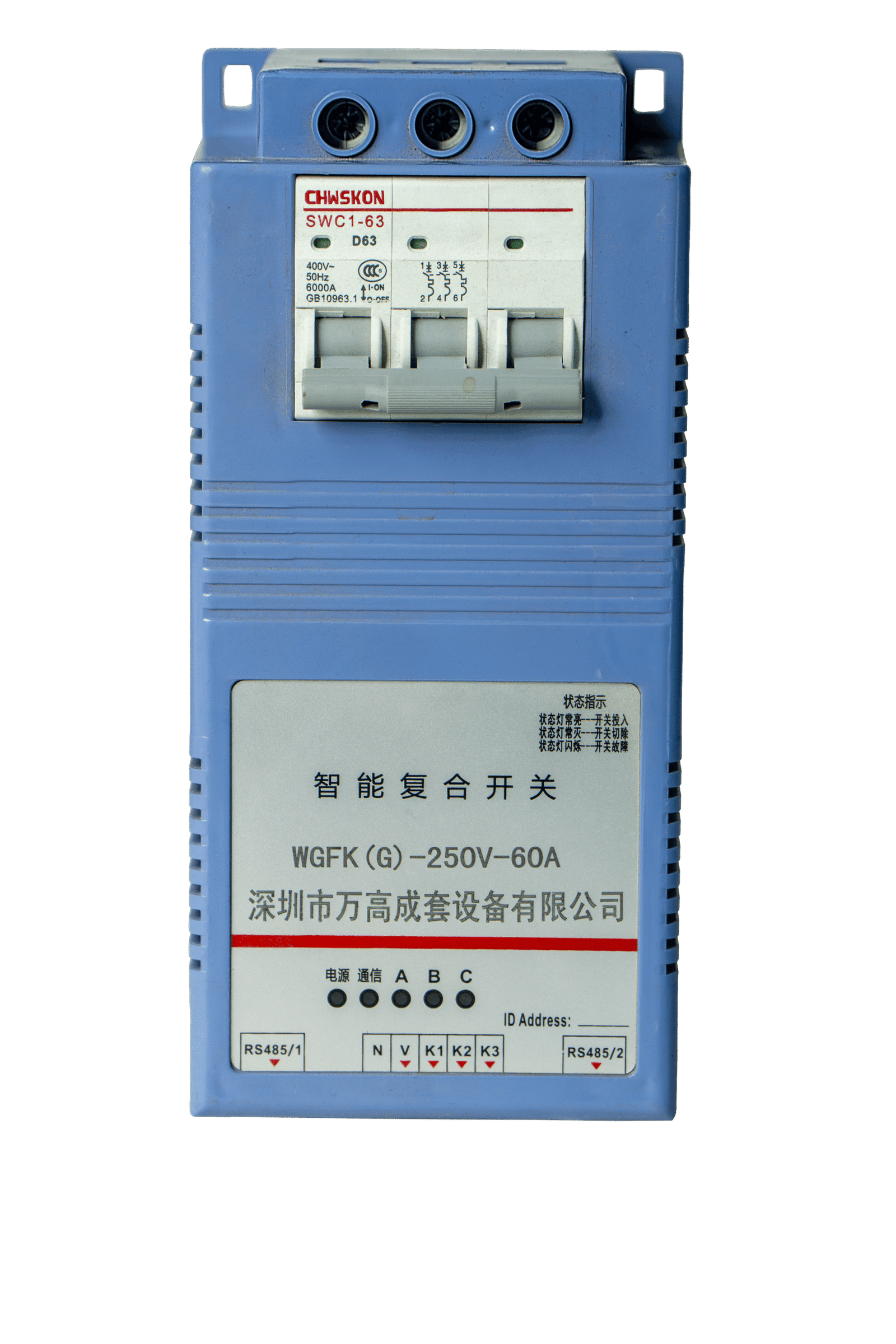
In industrial automation, one size rarely fits all. A food processing plant handling sticky dough needs different electrical protections than a mining operation dealing with explosive dust. A solar farm in the desert faces extreme heat, while a coastal wind turbine battles salt corrosion. That’s why customized control & protection switches are no longer a luxury—they’re a necessity for businesses that want reliable, long-lasting power management tailored to their exact environment and processes.
For global buyers, sourcing switches that can handle these unique challenges requires more than just buying “off-the-shelf” products. It demands a partner who understands industrial nuances and offers flexible customization. Here’s how SWGCT helps you build control & protection switches that work perfectlyfor your operation.
The Limitations of Standard Switches
Standard control & protection switches are designed for general use, but industrial applications often push them to their limits. Common issues include:
- Inadequate Environmental Resistance: A standard switch rated for “indoor use” will fail quickly in a cement factory (dust) or offshore platform (saltwater mist).
- Mismatched Current/Voltage Ratings: A switch undersized for a high-power motor (e.g., a 300kW pump) might trip too often or, worse, fail to protect against overcurrent.
- Lack of Specialized Protections: Some industries need unique safeguards—like arc flash protection in substations or explosion-proof designs in chemical plants.
- Integration Challenges: Large facilities with legacy systems need switches that can communicate with existing control panels (e.g., via Modbus or Profibus protocols).
SWGCT’s Customization Approach: Build It Your Way
As a cross-border e-commerce platform specializing in electrical control and protection equipment, SWGCT lets you customize nearly every aspect of your control & protection switches—from materials to functions—to match your specific needs. Here’s how we do it:
1. Environmental Hardening: Protect Against Harsh Conditions
Need a switch that survives in extreme environments? We offer:
- Dust & Water Resistance: IP65 or IP67-rated enclosures (for factories with water jets or desert dust storms).
- Explosion-Proof Designs: For oil refineries, chemical plants, or mines where flammable gases are present (certified to ATEX or IECEx standards).
- Corrosion Resistance: Stainless steel or coated components for coastal sites (resisting salt air) or wastewater treatment plants (handling chemicals).
Example: A seafood processing plant in Norway needed switches that could withstand freezing temperatures (-30°C) and salty air. We customized an MCCB with a cold-resistant casing and sealed terminals, ensuring zero failures during 8 months of winter operation.
2. Specialized Protection Functions: Address Unique Risks
Different industries face unique electrical hazards. Our customization options include:
- Arc Flash Protection: For substations or high-voltage panels, we add arc-resistant enclosures and quick-trip mechanisms to minimize damage.
- Ground Fault Detection: Essential for facilities with grounding issues (like older buildings or rural sites).
- Selective Tripping: Ensures only the faulty circuit trips—not the entire system (critical for hospitals or data centers where uptime is paramount).
Case Study: A solar farm in Australia needed switches that could detect partial shading (causing irregular current flows) and trip selectively to protect inverters. We programmed electronic trip units with custom thresholds, reducing false trips by 90%.
3. Mechanical & Electrical Customization: Fit Your System Perfectly
We adjust the “core specs” of switches to match your equipment:
- Current & Voltage Ratings: From 16A/230V for small workshops to 6,300A/1,000V for heavy industry.
- Pole Configurations: 1-pole, 2-pole, 3-pole, or 4-pole designs based on your circuit setup (e.g., single-phase vs. 3-phase systems).
- Terminal Types: Screw terminals for easy wiring or spring-clamp terminals for quick maintenance.
Example: An electric vehicle (EV) battery manufacturing plant required 3-pole MCCBs with larger terminals to handle the high-current DC charging circuits. We modified the terminal size and added cooling fins to prevent overheating.


