



Earth Leakage Circuit Breaker (ELCB): Essential Guide to Electrical Safety and Protection


📑 Comprehensive Outline for Earth Leakage Circuit Breaker (ELCB)
| Heading Level | Topic |
|---|---|
| H1 | Earth Leakage Circuit Breaker (ELCB): Complete Guide |
| H2 | Introduction to Earth Leakage Circuit Breaker (ELCB) |
| H3 | Definition and Purpose |
| H3 | Importance in Electrical Safety |
| H2 | How an Earth Leakage Circuit Breaker Works |
| H3 | Basic Working Principle |
| H4 | Voltage Detection Method |
| H4 | Current Detection Method |
| H2 | Types of Earth Leakage Circuit Breakers |
| H3 | Voltage ELCB |
| H3 | Current ELCB (RCCB) |
| H2 | Key Components of an ELCB |
| H3 | Relay Coil |
| H3 | Tripping Circuit |
| H3 | Earth Connection |
| H2 | Advantages of Using ELCB |
| H3 | Protection Against Electric Shock |
| H3 | Fire Hazard Prevention |
| H3 | Equipment Safety |
| H2 | Limitations of ELCB |
| H3 | Sensitivity Issues |
| H3 | Dependence on Earth Wiring |
| H2 | ELCB vs RCCB vs MCB |
| H3 | Key Differences |
| H3 | Which One to Choose |
| H2 | Applications of Earth Leakage Circuit Breaker |
| H3 | Residential Buildings |
| H3 | Commercial Installations |
| H3 | Industrial Systems |
| H2 | Installation Guidelines |
| H3 | Wiring Process |
| H3 | Safety Measures |
| H2 | Common Problems and Troubleshooting |
| H3 | Nuisance Tripping |
| H3 | Fault Detection |
| H2 | Maintenance Tips |
| H3 | Regular Testing |
| H3 | Inspection Practices |
| H2 | Factors to Consider Before Buying |
| H3 | Rating and Sensitivity |
| H3 | Brand and Certification |
| H2 | Future Trends in Leakage Protection |
| H3 | Smart Breakers |
| H3 | IoT Integration |
| H2 | FAQs About Earth Leakage Circuit Breaker (ELCB) |
| H2 | Conclusion |
⚡ Introduction to Earth Leakage Circuit Breaker (ELCB)
An Earth Leakage Circuit Breaker (ELCB) is a critical safety device used in electrical systems to prevent electric shocks and fire hazards caused by earth leakage currents. It works by detecting unwanted voltage or current flowing through the earth wire and immediately disconnecting the power supply.
In today’s world, where electricity powers almost everything, using an Earth Leakage Circuit Breaker (ELCB) is not just recommended—it’s essential for safety.
⚙️ What is an Earth Leakage Circuit Breaker (ELCB)?
📘 Definition and Purpose
An Earth Leakage Circuit Breaker (ELCB) is designed to detect leakage currents that flow to the ground (earth). When such leakage is detected, the device cuts off power to prevent harm.
💡 Why It is Important
Without proper protection:
- People may experience electric shocks
- Electrical fires can occur
- Equipment may get damaged
👉 Internal Link Example: Learn more about electrical safety devices for homes (link to your internal page)
🔄 How an Earth Leakage Circuit Breaker Works
🔍 Basic Working Principle
The ELCB monitors electrical flow and detects leakage through the earth wire.
⚡ Voltage Detection Method
In voltage-operated ELCBs:
- It detects voltage on the earth conductor
- Trips when voltage exceeds a safe limit
📉 Current Detection Method
Modern ELCBs (RCCBs):
- Compare live and neutral current
- Trip when imbalance is detected
🔧 Types of Earth Leakage Circuit Breakers
🔹 Voltage ELCB
- Operates based on earth voltage
- Requires proper earthing
- Less commonly used today
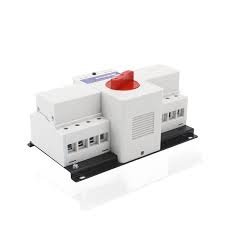
🔹 Current ELCB (RCCB)
- Detects current imbalance
- More reliable and widely used
🧩 Key Components of an ELCB
🌀 Relay Coil
Detects leakage and activates the trip mechanism.
⚙️ Tripping Circuit
Disconnects power supply during faults.
🌍 Earth Connection
Essential for proper functioning of the device.
✅ Advantages of Using ELCB
🛡️ Protection Against Electric Shock
Quickly disconnects power to prevent injury.
🔥 Fire Hazard Prevention
Stops current leakage that may cause overheating.
💻 Equipment Safety
Prevents damage to appliances.
⚠️ Limitations of ELCB
🔄 Sensitivity Issues
May not detect all types of faults.
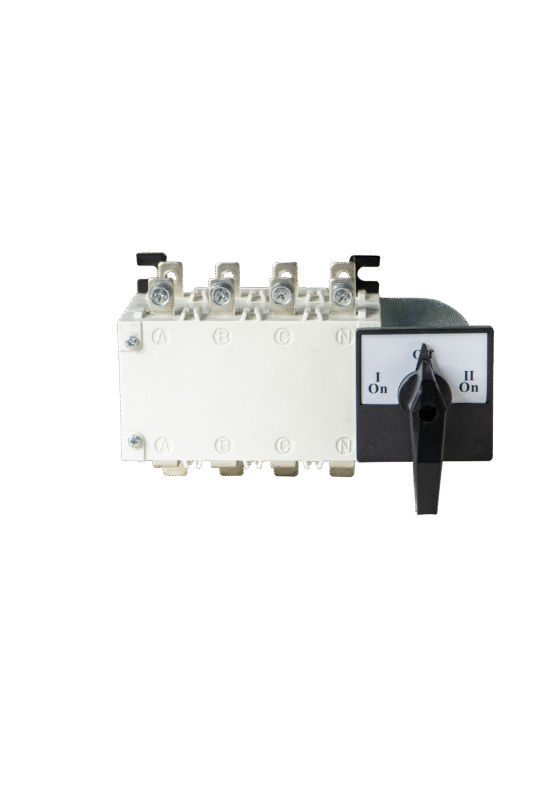
🔌 Dependence on Earth Wiring
Requires proper grounding to function effectively.
⚖️ ELCB vs RCCB vs MCB
🔍 Key Differences
| Feature | ELCB | RCCB | MCB |
|---|---|---|---|
| Detection Type | Voltage | Current | Overcurrent |
| Shock Protection | Yes | Yes | No |
| Usage | Older systems | Modern systems | Basic protection |
🧠 Which One Should You Choose?
- Use RCCB for modern homes
- Use MCB for overload protection
- Use ELCB only where applicable
🏠 Applications of Earth Leakage Circuit Breaker
🏡 Residential Use
Installed in homes to protect occupants.
🏢 Commercial Buildings
Used in offices, malls, and public areas.
🏭 Industrial Systems
Ensures safety in factories and heavy machinery.
🔌 Installation Guidelines
🛠️ Wiring Process
- Connect phase, neutral, and earth correctly
- Ensure proper grounding
⚠️ Safety Measures
- Turn off power before installation
- Hire a qualified electrician
⚠️ Common Problems and Troubleshooting
🔄 Nuisance Tripping
Caused by:
- Moisture
- Faulty appliances
- Wiring issues
🔎 Fault Detection
Use testing equipment or isolate circuits.
🧼 Maintenance Tips
🧪 Regular Testing
Press the test button monthly.
🔍 Inspection Practices
Check wiring and connections periodically.
🛒 Factors to Consider Before Buying
⚡ Rating and Sensitivity
Choose appropriate current rating and sensitivity.
🏷️ Certification
Ensure compliance with safety standards.
🚀 Future Trends in Leakage Protection
📱 Smart Breakers
Allow remote monitoring and control.
🌐 IoT Integration
Enable real-time alerts and diagnostics.
❓ FAQs About Earth Leakage Circuit Breaker (ELCB)
1. What does an ELCB do?
It detects earth leakage and disconnects power.
2. Is ELCB still used today?
It is mostly replaced by RCCB in modern systems.
3. What is the difference between ELCB and RCCB?
ELCB detects voltage; RCCB detects current imbalance.
4. Why does an ELCB trip frequently?
Due to leakage, moisture, or faulty appliances.
5. Can ELCB work without earthing?
No, proper grounding is required.
6. Is ELCB necessary for homes?
It’s useful, but RCCB is more commonly recommended.
🏁 Conclusion
An Earth Leakage Circuit Breaker (ELCB) plays a vital role in electrical safety by preventing shocks and reducing fire risks. While newer technologies like RCCB are more advanced, understanding ELCB remains important for maintaining and upgrading older systems.


