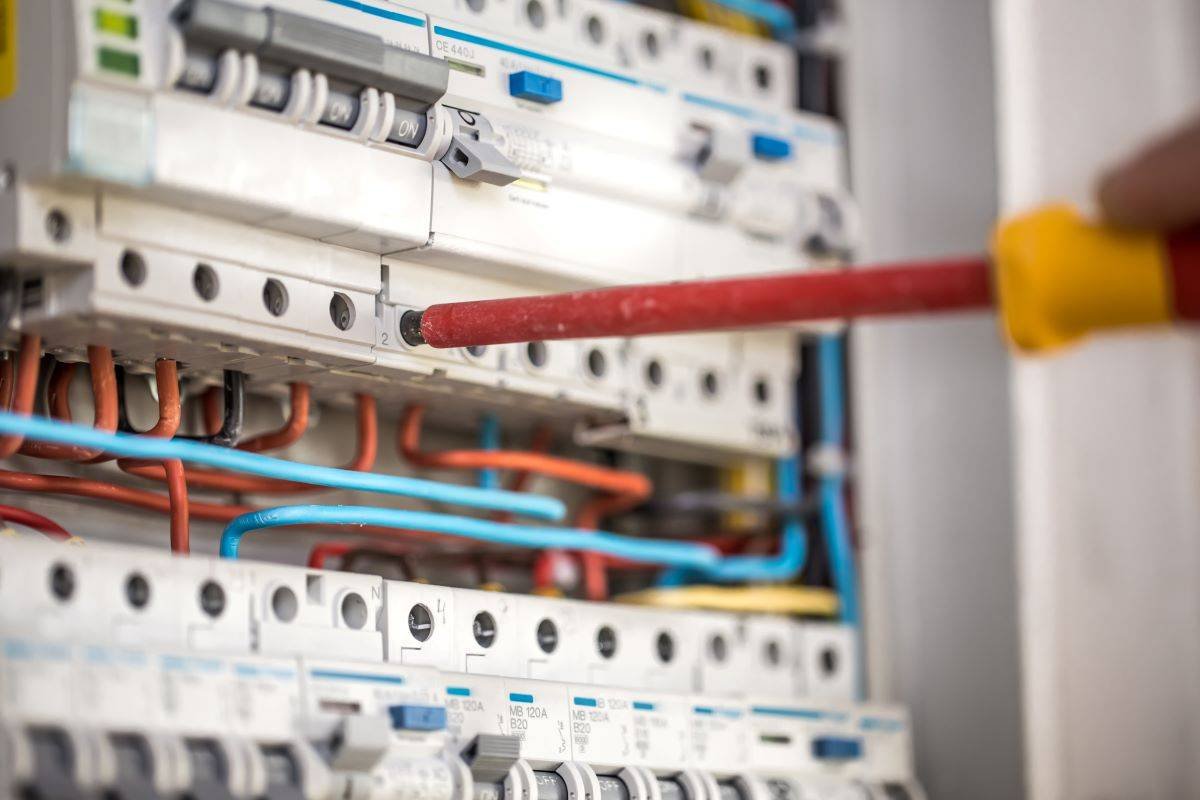



Electrical Surge Protection Device: 12 Essential Facts You Must Know


Introduction to Electrical Surge Protection Device
An electrical surge protection device is a critical component designed to protect electrical systems from sudden voltage spikes caused by lightning, switching operations, or power faults. In modern infrastructures filled with sensitive electronics, an electrical surge protection device ensures system stability, prevents equipment damage, and reduces downtime.
Understanding Power Surges and Protection Systems
Power surges are sudden increases in voltage that can damage electrical equipment. Common causes include:
- Lightning strikes
- Grid switching
- Faulty wiring
A protection system helps absorb or redirect excess energy safely.

How Surge Protection Devices Work
Voltage Clamping Mechanism
An electrical surge protection device limits voltage to a safe threshold when spikes occur.
Energy Diversion Process
Excess energy is redirected to the ground, protecting connected equipment.
Types of Electrical Protection Devices
Type 1 Protection Units
Installed at the main power entry point to handle external surges.
Type 2 Protection Units
Used in distribution boards for internal surge protection.
Type 3 Protection Units
Installed near sensitive equipment for localized protection.
Key Components in Protection Systems
Typical devices include:
- Metal Oxide Varistors (MOVs)
- Gas Discharge Tubes (GDTs)
- Suppression diodes
These components ensure fast response and reliable protection.
Applications of Surge Protection Technology
Residential Systems
Protects home appliances and electronics.
Industrial Systems
Prevents downtime in automation and manufacturing.
Commercial Infrastructure
Safeguards servers, communication systems, and office equipment.
Benefits of Using Electrical Surge Protection Device
Equipment Safety
An electrical surge protection device prevents damage to expensive electronics.
Cost Reduction
Reduces maintenance and replacement expenses.
System Reliability
Ensures continuous and stable operation.
Limitations of Surge Protection Systems
- Limited lifespan due to repeated surges
- Capacity constraints under extreme conditions
Comparison with Standard Surge Protectors
| Feature | Electrical Surge Protection Device | Basic Surge Protector |
|---|---|---|
| Installation | Fixed | Plug-in |
| Protection Level | High | Moderate |
| Usage | Industrial | Residential |
Installation Best Practices
- Install near power entry points
- Ensure proper grounding
- Use certified professionals
Maintenance Tips
- Inspect regularly
- Replace after major surge events
- Monitor performance indicators
Future Trends in Protection Technology
- Smart monitoring systems
- IoT-enabled protection devices
- Predictive maintenance solutions
Buying Guide
When choosing a device, consider:
- Surge capacity
- Response time
- Certification standards
For global electrical standards, refer to:
👉 https://www.iec.ch/
(DoFollow external resource from International Electrotechnical Commission)
Internal Resources
Explore related topics for better system design:
- 👉 /surge-protective-device-spd
- 👉 /harmonic-resistant-capacitor
- 👉 /encoder-factory
Preguntas frecuentes
1. What is an electrical surge protection device?
It protects systems from voltage spikes.
2. Why is surge protection important?
It prevents equipment damage and downtime.
3. Where should it be installed?
At main panels or near critical equipment.
4. How long does it last?
Typically several years depending on usage.
5. Can it handle lightning surges?
Yes, especially Type 1 devices.
6. Does it need maintenance?
Yes, periodic inspection is recommended.
Conclusion
An electrical surge protection device is essential for modern electrical systems. It enhances safety, improves reliability, and protects valuable equipment from unexpected voltage spikes.