



Circuit Breaker vs Fuse: Simple Guide to Electrical Protection

📊 Optimized Outline
| Heading Level | Topic |
|---|---|
| H1 | Circuit Breaker vs Fuse |
| H2 | Introduction to Electrical Protection Devices |
| H2 | Fuse vs Circuit Breaker: What is a Circuit Breaker |
| H2 | Difference Between Circuit Breaker and Fuse: What is a Fuse |
| H2 | Circuit Breaker vs Fuse Differences Explained |
| H3 | Breaker vs Fuse Working Principle |
| H3 | Fuse vs Circuit Breaker Reusability |
| H3 | Electrical Protection Devices Comparison in Cost |
| H3 | Safety Differences |
| H2 | Advantages of Breaker vs Fuse |
| H2 | Applications of Fuse vs Circuit Breaker |
| H2 | Choosing Between Electrical Protection Devices |
| H2 | Internal and External Resources |
| H2 | Common Mistakes |
| H2 | Preguntas frecuentes |
| H2 | Conclusion |
Circuit Breaker vs Fuse
Introduction to Electrical Protection Devices
The concept of circuit breaker vs fuse is fundamental in electrical safety and system design. These devices protect circuits from overloads and short circuits, but they operate differently and are used in various situations. Understanding the difference between circuit breaker and fuse helps users select the right solution for safe and efficient power management.
To explore reliable electrical components, visit this internal page:
👉 https://swgct.net/product-category
For technical insights, you can also check:
👉 https://www.electrical4u.com/circuit-breaker/
Fuse vs Circuit Breaker: What is a Circuit Breaker
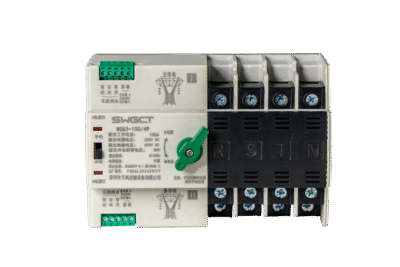
A circuit breaker is an automatic device that interrupts electrical flow when a fault is detected. It protects wiring and equipment from damage.
Key Features
- Can be reset after tripping
- Provides reliable protection
- Suitable for modern systems
- Available in various sizes
What is a Fuse in Electrical Systems
A fuse is a simple safety device that breaks the circuit when excessive current flows by melting a metal element inside it.
Key Features
- Single-use device
- Low initial cost
- Fast response
- Easy replacement
For product options, visit:
👉 https://swgct.net/product-category/circuit-breaker/
Key Differences Between Breaker and Fuse
Working Principle Comparison
- Breakers interrupt current using switching mechanisms
- Fuses melt internally to stop the flow
Reusability and Maintenance
- Breakers can be reset and reused
- Fuses must be replaced after operation
Cost and Value Comparison
- Fuses are cheaper upfront
- Breakers offer better long-term value
Safety and Performance
- Breakers provide advanced protection features
- Fuses offer basic but effective protection
Advantages of Each Protection Device
Circuit Breaker Benefits
- Reusable and durable
- Enhanced safety features
- Suitable for automation
- Long service life
Fuse Benefits
Reliable in basic systems
Simple design
Affordable
Quick response time
Advantages of Breaker vs Fuse
Circuit Breaker Benefits
- Reusable
- Higher safety level
- Suitable for automation
- Long lifespan
Fuse Benefits
- Simple design
- Lower cost
- Quick response
- Easy replacement
Applications in Real-World Systems
- Circuit breakers: homes, industries, offices
- Fuses: small appliances, backup protection
For more industry-grade options, see:
👉 https://www.se.com/ww/en/work/products/explore/circuit-breakers/
Choosing Between Electrical Protection Devices
When deciding between these options, consider:
- Power load
- Budget
- Maintenance needs
- Safety requirements
Circuit breakers are preferred in modern installations, while fuses remain useful in simple systems.
Internal and External Resources
Internal link:
👉 https://swgct.net/product-category
External references:
👉 https://en.wikipedia.org/wiki/Circuit_breaker
👉 https://en.wikipedia.org/wiki/Fuse_(electrical)
Common Mistakes
- Using fuses in high-load systems
- Ignoring maintenance
- Choosing based only on price
- Not upgrading outdated systems
Preguntas frecuentes
1. Which is better: breaker or fuse?
Breakers are generally better for modern systems.
2. Why are fuses still used?
They are simple and cost-effective.
3. Can breakers replace fuses?
Yes, in most applications.
4. Which is safer?
Circuit breakers offer more safety features.
5. Are breakers expensive?
They cost more initially but last longer.
6. Do both prevent short circuits?
Yes, both provide protection in different ways.
Conclusion
Understanding circuit breaker vs fuse helps in selecting the right electrical protection device. While fuses are simple and affordable, circuit breakers provide better safety, flexibility, and long-term value.
For dependable solutions, visit 👉 https://swgct.net/product-category and choose the right protection system for your needs.


