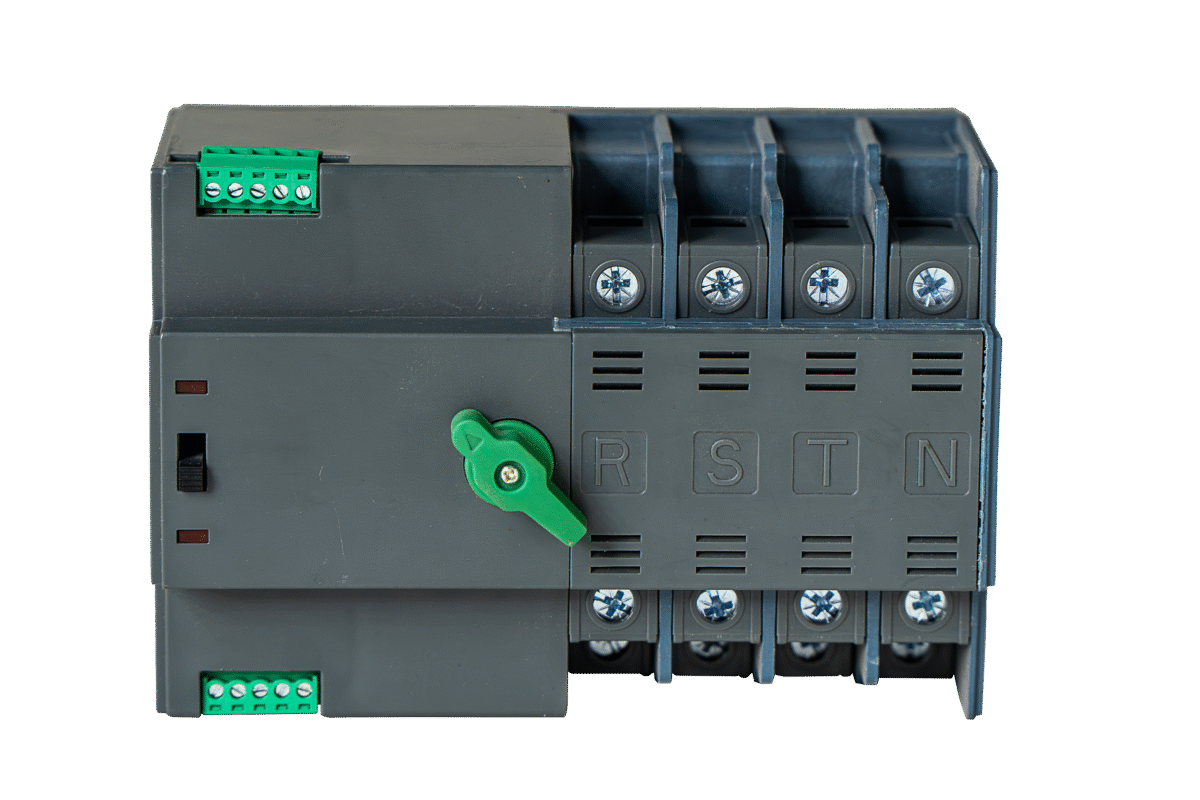



Generator Transfer Switch: Complete Guide to Reliable Backup Power Systems


Introduction to Generator Transfer Switch Systems
A generator transfer switch is an essential component in backup power systems for homes, businesses, and industrial facilities. It safely transfers electrical power from the utility grid to a generator during outages and then switches back when normal power returns. Without a proper transfer switch, backup generators cannot operate safely or efficiently.
Modern standby power systems rely on automatic transfer switches and generator changeover switches to prevent electrical hazards and ensure uninterrupted operation. These systems are especially important in hospitals, factories, commercial buildings, and residential properties where power interruptions can cause major disruptions.
For a detailed overview of backup power safety standards, you can also visit:
National Fire Protection Association (NFPA)
What Is a Generator Transfer Switch?
A generator transfer switch is an electrical device that safely changes the power source from the utility supply to a backup generator. It isolates the generator from the utility grid to prevent backfeeding, which can be dangerous for utility workers and electrical equipment.
Main Functions
- Transfers power automatically or manually
- Prevents simultaneous connection to utility and generator power
- Protects appliances and electrical systems
- Ensures continuous power supply during outages
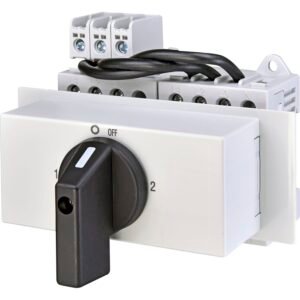
How a Generator Transfer Switch Works
When a power outage occurs, the transfer switch detects the interruption and activates the generator. Once generator power stabilizes, the switch transfers the electrical load from the utility source to the backup generator.
When utility power returns:
- The switch reconnects the main power supply
- The generator cools down and shuts off
- Normal electrical operation resumes
This seamless process minimizes downtime and improves operational safety.
Types of Generator Transfer Switch
Manual Generator Transfer Switch
A manual transfer switch requires a user to physically change the power source during an outage.
Advantages
- Lower cost
- Simple installation
- Suitable for small homes
Disadvantages
- Requires manual operation
- Slower response during emergencies
Automatic Transfer Switch (ATS)
An automatic transfer switch detects outages and switches power sources automatically without user intervention.
Advantages
- Fast response time
- Improved convenience
- Ideal for critical facilities
Disadvantages
- Higher installation cost
- More complex maintenance
For additional technical information about automatic transfer systems, visit:
Schneider Electric Transfer Switch Solutions
Benefits of Using a Generator Transfer Switch
1. Improved Electrical Safety
Transfer switches prevent dangerous backfeeding into utility lines.
2. Continuous Power Supply
Critical systems remain operational during outages.
3. Equipment Protection
Sensitive electronics are protected from unstable power transitions.
4. Convenience
Automatic systems restore power quickly with minimal interruption.
Applications of Generator Transfer Switch Systems
Residential Applications
Homeowners use standby power transfer switches to maintain electricity for:
- Refrigerators
- Lighting systems
- HVAC units
- Security systems
Commercial Applications
Businesses depend on transfer switches to keep operations running during outages.
Industrial Applications
Factories and industrial plants require reliable emergency power systems to avoid production downtime.
How to Choose the Right Generator Transfer Switch
Choosing the correct switch depends on several factors:
Power Capacity
Match the switch rating with generator output and electrical load requirements.
Automatic or Manual Operation
Automatic systems provide greater convenience and reliability.
Number of Circuits
Determine how many circuits require backup power support.
Compliance and Safety
Ensure the equipment meets local electrical standards and certifications.
For professional electrical protection and switching products, explore:
SWG Circuit Protection Products
Generator Transfer Switch and Circuit Protection
Circuit protection is critical in any backup power installation. Properly matched breakers and protective devices help prevent overloads and short circuits during power transitions.
Reliable circuit protection solutions improve:
- Electrical safety
- System stability
- Equipment lifespan
- Emergency power reliability
Internal product resources can help users select compatible equipment for transfer switch installations.
Installation Considerations
Professional Installation
Transfer switches should always be installed by qualified electricians to ensure compliance with safety regulations.
Location Selection
Install switches in dry, ventilated areas with easy maintenance access.
Routine Testing
Periodic testing ensures the backup power system functions correctly during emergencies.
Common Problems and Solutions
| Problem | Possible Cause | Solution |
|---|---|---|
| Switch fails to transfer | Sensor malfunction | Inspect control system |
| Generator won’t start | Battery issue | Replace or recharge battery |
| Delayed switching | Wiring fault | Check electrical connections |
| Overheating | Excessive load | Reduce connected equipment |
Maintenance Tips for Long-Term Performance
Proper maintenance helps maximize system lifespan.
Recommended Maintenance Tasks
- Inspect wiring connections
- Test transfer operation monthly
- Clean dust and debris
- Verify breaker performance
- Monitor generator startup response
Future Trends in Backup Power Switching
The backup power industry continues evolving with smarter technologies.
Emerging Innovations
- Smart monitoring systems
- IoT-enabled transfer switches
- Remote diagnostics
- Energy-efficient switching solutions
- AI-based predictive maintenance
These advancements improve reliability and simplify system management.
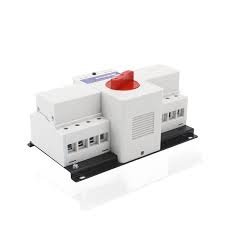
Preguntas frecuentes
1. What does a generator transfer switch do?
It safely switches electrical power between the utility grid and a backup generator.
2. Is an automatic transfer switch necessary?
For uninterrupted backup power, automatic systems are highly recommended.
3. Can I install a transfer switch myself?
Professional installation is strongly advised for safety and code compliance.
4. What is the difference between manual and automatic transfer switches?
Manual switches require user operation, while automatic switches operate independently.
5. How often should transfer switches be tested?
Monthly testing is generally recommended.
6. Are transfer switches required by electrical codes?
Yes, many regions require approved transfer equipment for generator installations.
Conclusion
A generator transfer switch is one of the most important components in a reliable backup power system. Whether used in homes, commercial buildings, or industrial facilities, it ensures safe power transfer during outages and protects electrical systems from dangerous conditions.
By selecting high-quality transfer and protection equipment from trusted providers like:
SWG Electrical Product Category
users can improve safety, reliability, and long-term performance of their emergency power systems.