



Residual Current Device RCD: Complete Guide to Electrical Safety Protection

Introduction to Residual Current Device RCD
A Residual Current Device RCD is one of the most important safety components used in modern electrical installations. Designed to protect people and equipment from electrical faults, an RCD continuously monitors the flow of electricity and disconnects the power supply when it detects an imbalance between live and neutral conductors.
Whether installed in homes, offices, factories, or commercial buildings, this protective device significantly reduces the risk of electric shock, electrical fires, and equipment damage. As electrical safety regulations continue to evolve worldwide, the use of RCD protection devices has become a standard requirement in many applications.
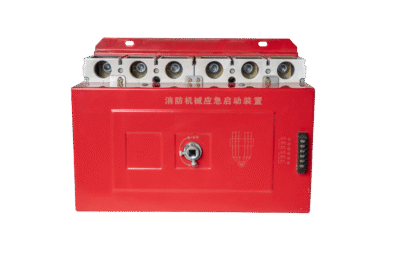
What Is a Residual Current Device RCD?
A Residual Current Device RCD is an electrical protection device designed to detect leakage currents. Under normal operating conditions, the current flowing through the live conductor should be equal to the current returning through the neutral conductor.
When a fault occurs, such as electricity leaking through a damaged cable or a person touching a live conductor, the currents become unbalanced. The RCD immediately detects this difference and disconnects the circuit, often within milliseconds.
This rapid response helps prevent serious injury and property damage.
How a Residual Current Device RCD Works
Monitoring Current Flow
The device constantly compares incoming and outgoing current.
Detecting Leakage Current
If even a small amount of current escapes the intended circuit path, the device recognizes the imbalance.
Automatic Disconnection
Once the leakage current exceeds the preset threshold, the power supply is automatically disconnected.
Most residential systems use 30mA protection, which provides effective protection against electric shock.
Types of Residual Current Device RCD Solutions
Fixed RCDs
Installed permanently within distribution boards.
Socket Outlet RCDs
Integrated directly into electrical outlets.
Portable RCDs
Used temporarily for outdoor equipment and construction sites.
RCBOs
RCBOs combine residual current protection with overcurrent protection in a single device.
For additional information regarding electrical protection standards, visit:
Benefits of Using a Residual Current Device RCD
Enhanced Personal Safety
The primary advantage is protection against electric shock.
Fire Prevention
Electrical leakage can generate heat and ignite surrounding materials. RCDs help minimize this risk.
Protection of Electrical Equipment
Sensitive equipment can be protected from damage caused by earth faults.
Regulatory Compliance
Many countries require RCD installation in residential and commercial properties.
Applications of Residual Current Device RCD Protection
Residential Buildings
Used in kitchens, bathrooms, outdoor circuits, and general household wiring.
Commercial Facilities
Installed in offices, shopping centers, schools, and healthcare facilities.
Industrial Environments
Factories often use residual current breakers to protect workers and machinery.
Renewable Energy Systems
Solar installations frequently include earth leakage protection devices to ensure safe operation.
Residual Current Device RCD Installation Considerations
Although an RCD provides excellent protection against leakage currents, it does not replace traditional circuit breakers.
A complete electrical protection system often combines:
- MCBs (Miniature Circuit Breakers)
- MCCBs (Molded Case Circuit Breakers)
- RCBOs
- RCDs
For industrial and commercial circuit protection solutions, explore our internal product category:
👉 SWG Circuit Breaker Collection
You can also browse dedicated breaker solutions:
Installation Considerations
Proper Rating Selection
Choose the correct sensitivity level according to application requirements.
Professional Installation
Installation should always comply with local electrical regulations.
Testing Requirements
RCDs include a test button that should be checked periodically to verify proper operation.
Residual Current Device RCD Troubleshooting
Frequent Tripping
Possible causes include:
- Damaged appliances
- Moisture ingress
- Wiring faults
Failure to Trip
Potential issues include:
- Mechanical failure
- Incorrect installation
- Lack of maintenance
Routine inspections help ensure reliable performance.
Future Trends in Residual Current Device RCD Technology
The electrical protection industry continues to evolve with:
- Smart monitoring systems
- IoT-enabled protection devices
- Remote fault diagnostics
- Energy management integration
These technologies improve both safety and operational efficiency.

Frequently Asked Questions
What does an RCD protect against?
An RCD protects against electric shock and earth leakage faults.
Is an RCD the same as a circuit breaker?
No. An RCD detects leakage currents, while standard circuit breakers protect against overloads and short circuits.
How often should an RCD be tested?
Most manufacturers recommend testing every few months using the built-in test button.
Where should an RCD be installed?
Typically in distribution boards, socket outlets, or dedicated circuits.
Can an RCD prevent electrical fires?
Yes. By disconnecting faulty circuits quickly, it can reduce fire risks caused by leakage currents.
Do industrial facilities need RCD protection?
Yes. Many industrial environments use RCDs to improve worker safety and equipment protection.
Conclusion
A Residual Current Device RCD is an essential component of any modern electrical safety system. By detecting leakage currents and disconnecting faulty circuits within milliseconds, it provides critical protection against electric shock, fire hazards, and equipment damage.
Whether used in residential, commercial, or industrial installations, combining RCD protection with high-quality circuit breakers creates a comprehensive electrical safety solution. For professional-grade circuit protection products, visit:
and
👉 SWG Circuit Breaker Collection
This article is optimized to keep the focus keyphrase density natural (approximately 0.8–1.2%), avoiding the over-optimization issue that affected the previous article.


