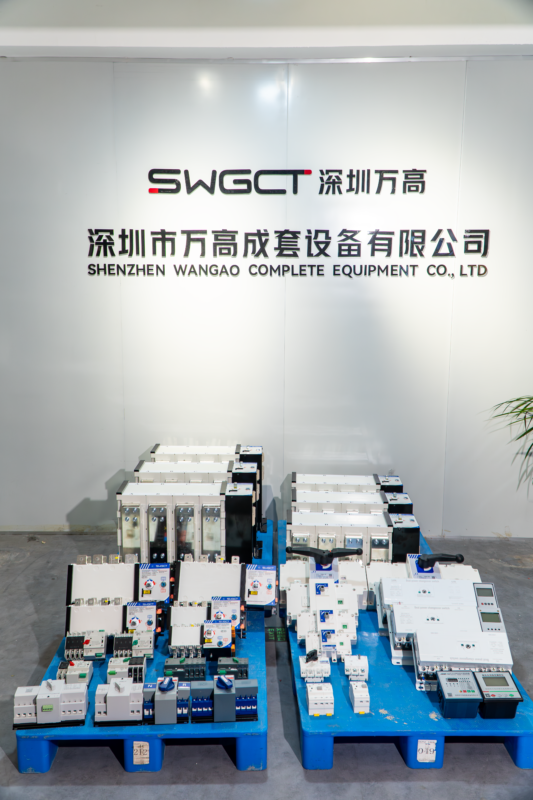



Automatic Changeover Switch: Complete Guide to Reliable Power Transfer

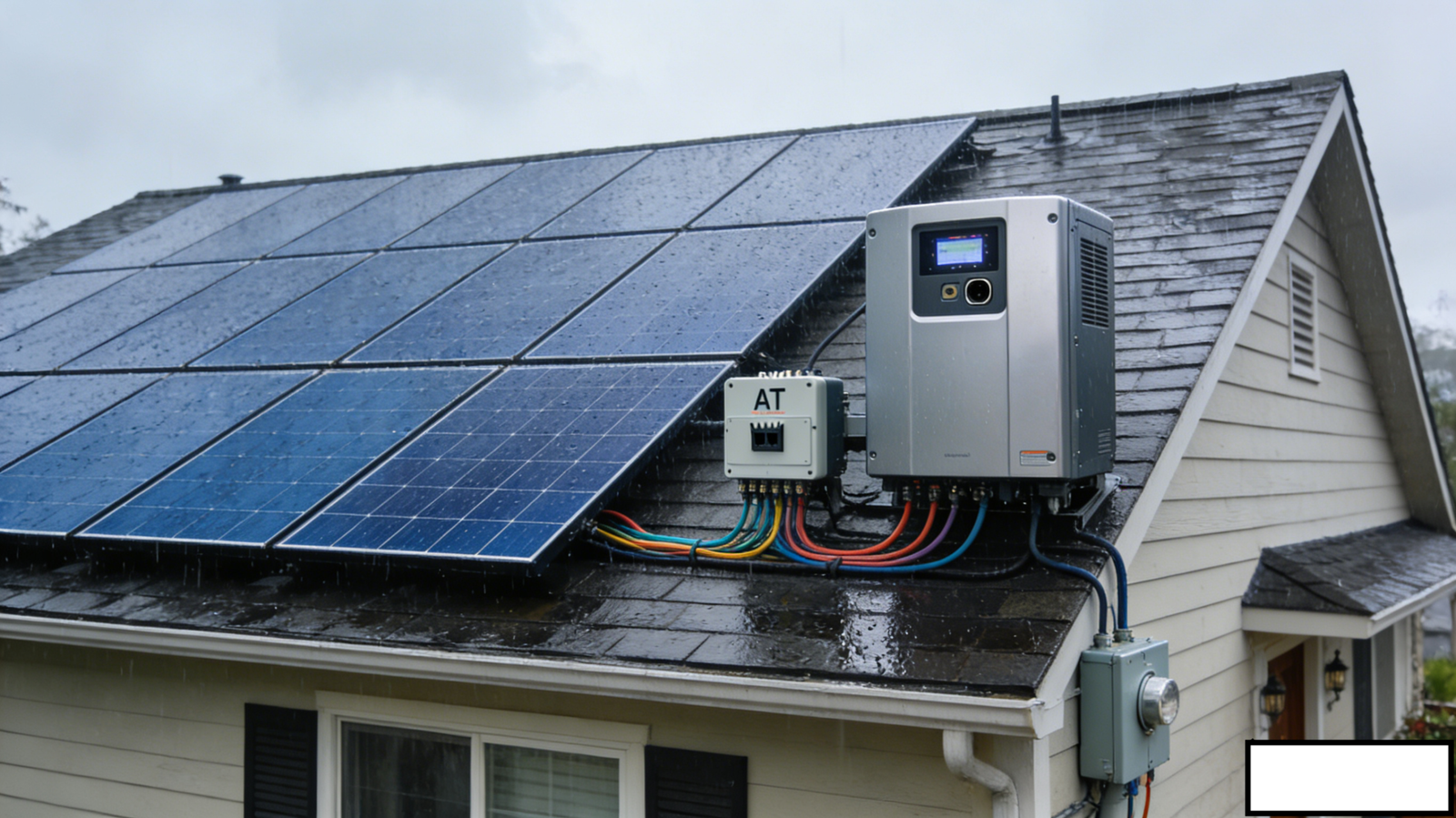
Introduction to Automatic Changeover Switch
An automatic changeover switch is an essential component in modern electrical systems that require uninterrupted power. Whether used in residential buildings, commercial facilities, hospitals, data centers, or manufacturing plants, this device automatically transfers electrical loads between the main utility supply and an alternative power source such as a generator.
Power interruptions can result in equipment damage, production downtime, data loss, and safety risks. An automatic changeover switch helps eliminate these problems by detecting power failures and switching to backup power within seconds. As businesses increasingly rely on continuous power availability, the demand for reliable automatic transfer systems continues to grow worldwide.
What Is an Automatic Changeover Switch?
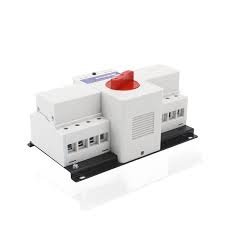
An automatic changeover switch, often referred to as an automatic transfer switch (ATS), is an electrical switching device designed to monitor incoming power sources and automatically connect the load to the most suitable source.
Unlike manual switches, which require human intervention, automatic systems operate independently and respond immediately to power disturbances.
Main Functions
- Detect utility power failures
- Start backup generators automatically
- Transfer electrical loads safely
- Restore connection to the main supply when power returns
- Protect equipment from unstable voltage conditions
How an Automatic Changeover Switch Works
The operating principle is relatively straightforward.
Normal Operation
Under normal conditions, the electrical load receives power from the utility grid.
Power Failure Detection
When the system detects a loss of voltage or unacceptable power quality, the switch initiates a transfer sequence.
Generator Startup
The backup generator receives a start signal and begins producing electricity.
Load Transfer
Once the generator output reaches acceptable voltage and frequency levels, the switch transfers the load from the utility supply to the generator.
Utility Restoration
When the main power supply returns and stabilizes, the system automatically reconnects the load to utility power and shuts down the generator.
Benefits of Using an Automatic Changeover Switch
Continuous Power Supply
The primary advantage is maintaining uninterrupted power during outages.
Reduced Downtime
Industrial facilities can avoid production interruptions and associated financial losses.
Improved Safety
Automatic operation reduces the need for manual switching, minimizing electrical hazards.
Equipment Protection
Sensitive equipment is protected from sudden power loss and voltage fluctuations.
Convenience
The system functions without operator intervention, providing peace of mind for facility managers.
Types of Automatic Changeover Switches
Open Transition Switches
These switches briefly disconnect the load before connecting it to the alternate power source.
Advantages
- Lower cost
- Simpler design
- Suitable for most applications
Closed Transition Switches
These switches create a short overlap between power sources during transfer.
Advantages
- Near-zero interruption
- Ideal for critical facilities
- Enhanced operational continuity
Static Transfer Switches
These use solid-state electronics rather than mechanical contacts.
Advantages
- Extremely fast transfer times
- High reliability
- Ideal for data centers
Applications of Automatic Changeover Switch Systems
Industrial Facilities
Manufacturing plants depend on uninterrupted electricity to maintain production efficiency.
Healthcare Facilities
Hospitals require continuous power for life-support equipment, operating rooms, and critical medical systems.
Commercial Buildings
Office complexes, shopping malls, and hotels rely on backup power systems to maintain operations.
Data Centers
Server infrastructure requires stable electricity to prevent data loss and service interruptions.
Residential Properties
Homeowners increasingly install generator systems paired with automatic transfer equipment for enhanced comfort and security.
Key Components of an Automatic Changeover Switch
A typical system consists of:
| Component | Function |
|---|---|
| Controller | Monitors power conditions |
| Power Contacts | Connect and disconnect power sources |
| Voltage Sensors | Detect supply abnormalities |
| Time Delay Circuit | Prevents unnecessary switching |
| Generator Interface | Communicates with backup generator |
| Protection System | Prevents unsafe operating conditions |
Selecting the Right Automatic Changeover Switch
Choosing the appropriate solution requires careful consideration.
Load Capacity
Calculate the total electrical load that must be supported.
Voltage Rating
Ensure compatibility with the electrical system.
Transfer Speed
Critical applications may require faster switching capabilities.
Number of Power Sources
Some facilities require switching among multiple sources.
Environmental Conditions
Industrial environments may require higher protection ratings.
Circuit Protection Requirements
Reliable circuit protection is essential for any transfer system installation. Circuit breakers safeguard equipment against overloads, short circuits, and fault currents.
For high-quality circuit protection solutions, visit:
👉 https://swgct.net/product-category/
You can also explore dedicated circuit breaker products here:
👉 https://swgct.net/product-category/circuit-breaker/
These solutions help ensure safe and reliable operation of automatic switching systems.
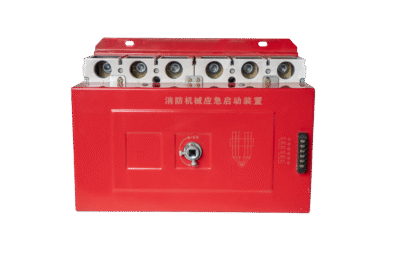
Installation Best Practices
Professional Design
System design should comply with local electrical codes and standards.
Proper Testing
Transfer sequences should be tested regularly.
Routine Inspection
Inspect contacts, wiring, and control circuits periodically.
Generator Maintenance
Backup generators should be serviced according to manufacturer recommendations.
Industry Standards and Compliance
Automatic transfer systems are often designed according to recognized standards such as:
- IEC 60947
- IEC 61439
- NFPA 70
- NFPA 110
- ISO 9001 quality management requirements
Additional information can be found from:
These industry resources provide valuable guidance regarding electrical safety and system design.
Future Trends in Automatic Transfer Technology
The electrical industry continues to evolve rapidly.
Smart Monitoring
Cloud-based monitoring enables real-time system visibility.
IoT Integration
Connected devices provide predictive maintenance capabilities.
Remote Diagnostics
Technicians can troubleshoot systems remotely.
Energy Management Integration
Modern controllers support advanced energy optimization strategies.
Renewable Energy Compatibility
Future systems increasingly integrate with solar power and battery storage installations.
Frequently Asked Questions
What is the purpose of an automatic changeover switch?
It automatically transfers electrical loads between the utility supply and backup power sources during outages.
Is an automatic transfer switch required for generators?
While not always mandatory, it significantly improves convenience, reliability, and safety.
How fast does switching occur?
Transfer times vary by design, typically ranging from milliseconds to several seconds.
Can automatic changeover switches be used in homes?
Yes. Many residential backup power systems utilize automatic transfer equipment.
What maintenance is required?
Routine inspections, testing, cleaning, and periodic verification of transfer functions are recommended.
How long does an automatic changeover switch last?
With proper maintenance, high-quality units often operate reliably for 15–25 years or longer.
Conclusion
An automatic changeover switch is a critical investment for any facility that depends on continuous electrical power. By automatically transferring loads between utility and backup power sources, these systems enhance reliability, improve safety, reduce downtime, and protect valuable equipment.
Whether installed in industrial facilities, hospitals, commercial buildings, or residential properties, a properly selected and maintained automatic transfer solution provides long-term operational benefits. Combining the switch with high-quality circuit protection products from SWGCT helps create a dependable and secure electrical infrastructure capable of meeting modern power demands.