



ATS Switch for Generator Backup: Complete Guide to Reliable Emergency Power


Introduction to ATS Switch for Generator Backup
An ATS switch for generator backup is one of the most important components in a modern backup power system. Whether protecting a commercial building, industrial facility, hospital, data center, or residential property, an Automatic Transfer Switch (ATS) ensures that electrical loads are transferred safely and automatically from the utility grid to a standby generator during a power outage.
Without an ATS, power restoration often requires manual intervention, which can result in downtime, equipment damage, and operational disruptions. As businesses become increasingly dependent on continuous electrical power, automatic switching systems have become essential for maintaining productivity and safety.
For electrical contractors, facility managers, and business owners, understanding how an ATS works can help ensure the right backup power solution is selected for long-term reliability.
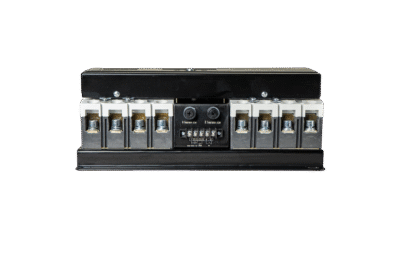
What Is an ATS Switch for Generator Backup?
An ATS switch for generator backup is an intelligent electrical switching device that automatically detects utility power failure and transfers electrical loads to a backup generator.
When utility power returns and stabilizes, the ATS automatically transfers the load back to the main power source and shuts down the generator according to programmed settings.
The process occurs within seconds, minimizing interruptions to critical operations.
Primary Functions
- Monitor incoming utility power
- Detect voltage or frequency abnormalities
- Start the backup generator automatically
- Transfer electrical loads safely
- Return loads to utility power when available
- Prevent simultaneous connection of utility and generator power
How an Automatic Transfer Switch Works
Normal Operating Conditions
During normal operation, electrical loads receive power directly from the utility grid.
The ATS continuously monitors:
- Voltage levels
- Frequency stability
- Phase conditions
- Power quality
Power Failure Detection
When the ATS detects a utility outage:
- Utility power failure is identified.
- Generator start signal is sent.
- Generator reaches operating speed.
- ATS transfers the electrical load.
- Facility continues operating on generator power.
Utility Power Restoration
Once utility power returns:
- ATS verifies stable voltage and frequency.
- Load transfers back to utility power.
- Generator enters cooldown mode.
- Generator shuts down automatically.
This entire process typically occurs without human intervention.
Benefits of Using an ATS Switch for Generator Backup
Reduced Downtime
Automatic switching significantly reduces interruptions during utility failures.
Improved Safety
Manual switching introduces risks of human error. Automatic systems eliminate many of these concerns.
Protection of Critical Equipment
Sensitive equipment such as servers, medical devices, manufacturing controls, and communication systems benefit from continuous power availability.
Convenience
Facility personnel do not need to manually start generators or switch power sources.
Business Continuity
Many organizations rely on uninterrupted power to maintain operations, protect data, and serve customers.
ATS Switch for Generator Backup in Commercial Applications
Commercial facilities often use automatic transfer switches to maintain operations during outages.
Common applications include:
- Office buildings
- Shopping centers
- Hotels
- Educational institutions
- Healthcare facilities
For these environments, power interruptions can result in lost revenue and operational challenges.
ATS Switch for Generator Backup in Industrial Facilities
Industrial operations frequently require robust emergency power solutions.
Industrial ATS systems support:
- Manufacturing equipment
- Conveyor systems
- Process control systems
- Safety equipment
- Industrial automation networks
A properly designed switching system helps prevent costly production downtime.
Types of Automatic Transfer Switches
Open Transition ATS
Often called a “break-before-make” switch.
Characteristics:
- Most common design
- Cost-effective
- Brief interruption during transfer
Closed Transition ATS
Known as a “make-before-break” switch.
Benefits include:
- Near seamless transfer
- Reduced power disruption
- Suitable for critical operations
Delayed Transition ATS
Provides a short pause between power sources.
Often used where load characteristics require controlled switching.
Selecting the Right ATS Switch for Generator Backup
Electrical Load Requirements
Determine:
- Total connected load
- Critical load demand
- Future expansion requirements
Voltage Rating
The ATS must match system voltage specifications.
Current Rating
Proper current sizing is essential to prevent overheating and equipment failure.
Transfer Speed
Critical applications often require faster transfer times.
Environmental Conditions
Consider:
- Temperature
- Humidity
- Dust exposure
- Outdoor installation requirements
Importance of Circuit Protection in ATS Systems
A backup power system is only as reliable as its protection components.
Circuit breakers protect:
- ATS equipment
- Generator systems
- Distribution panels
- Connected loads
Businesses seeking dependable circuit protection solutions can explore:
Internal Resource:
https://swgct.net/product-category/
Additional circuit protection products are available at:
Internal Resource:
https://swgct.net/product-category/circuit-breaker/
Properly selected breakers improve system safety and reliability.
ATS Installation Best Practices
Perform Load Analysis
Understand actual power requirements before sizing equipment.
Use Qualified Professionals
Installation should comply with local electrical codes and standards.
Test Regularly
Routine testing helps verify proper operation during emergencies.
Schedule Preventive Maintenance
Regular inspections can identify potential issues before failures occur.
Industry Standards and Compliance
ATS equipment should comply with recognized industry standards.
Useful industry references include:
These organizations publish guidelines related to electrical safety, emergency power systems, and switchgear design.
Common ATS Switch Problems and Solutions
| Issue | Possible Cause | Solution |
|---|---|---|
| Generator fails to start | Battery issue | Inspect batteries |
| ATS fails to transfer | Control fault | Test controller |
| Delayed transfer | Incorrect settings | Review programming |
| Frequent switching | Utility instability | Adjust sensing parameters |
| Alarm conditions | Wiring issues | Inspect connections |
Regular maintenance significantly reduces these risks.
Future Trends in Generator Transfer Switch Technology
The backup power industry continues to evolve.
Emerging technologies include:
- Smart ATS monitoring
- Remote diagnostics
- IoT connectivity
- Predictive maintenance
- Cloud-based management systems
These innovations help improve reliability while reducing maintenance costs.
Frequently Asked Questions
What does an ATS do for a generator?
It automatically transfers electrical loads between utility power and generator power during outages.
How fast does an ATS transfer power?
Most systems transfer within seconds, depending on generator startup time.
Can an ATS work with any generator?
Compatibility depends on voltage, current ratings, and control system requirements.
Is an ATS required for standby generators?
While not always mandatory, it is highly recommended for automatic backup power operation.
How often should an ATS be tested?
Many facilities perform monthly inspections and annual comprehensive testing.
What industries commonly use ATS systems?
Healthcare, manufacturing, telecommunications, data centers, hospitality, and commercial buildings frequently use ATS solutions.
Conclusion
An ATS switch for generator backup is a critical component for ensuring uninterrupted power during utility outages. By automatically transferring loads between utility and generator power, these systems enhance safety, reduce downtime, and support business continuity.
Whether used in commercial buildings, industrial facilities, or critical infrastructure, selecting the correct transfer switch and pairing it with quality circuit protection components is essential for long-term performance. Organizations seeking reliable electrical protection products can explore the solutions available at https://swgct.net/product-category/ and https://swgct.net/product-category/circuit-breaker/ to support a dependable backup power system.


