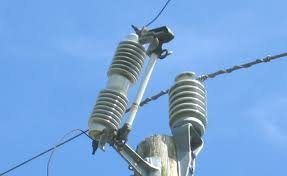



Surge Protection Device: Complete Guide to Electrical Safety and Equipment Protection


Introduction
A surge protection device is one of the most important components in modern electrical systems. Whether installed in residential buildings, commercial facilities, industrial plants, or renewable energy projects, these devices help safeguard valuable equipment from unexpected voltage spikes. Without proper surge protection, electrical surges can damage sensitive electronics, reduce equipment lifespan, and result in costly downtime.
As businesses become increasingly dependent on electronic equipment and automated systems, investing in reliable surge protection has become a necessity rather than an option.
What Is a Surge Protection Device?
A surge protection device (SPD) is an electrical safety component designed to limit transient overvoltages and redirect excessive current safely to ground.
These voltage spikes can originate from:
- Lightning strikes
- Utility grid switching
- Motor startups and shutdowns
- Generator switching
- Internal electrical faults
- Industrial equipment operation
When a surge occurs, the SPD reacts within nanoseconds, diverting excess energy away from connected equipment.
How a Surge Protection Device Works
Detecting Excess Voltage
Under normal operating conditions, an SPD remains inactive.
When voltage exceeds a predetermined threshold, the device activates instantly.
Diverting Surge Energy
The surge current is safely redirected to the grounding system rather than passing through connected equipment.
Returning to Normal Operation
After the surge event ends, the SPD automatically returns to standby mode.
This process helps protect:
- Computers
- PLC systems
- Industrial control panels
- HVAC equipment
- Solar inverters
- Telecommunications systems
Why Surge Protection Is Important
Electrical disturbances are more common than many facility managers realize.
Even small transient overvoltages can cause:
- Data loss
- Equipment degradation
- Production interruptions
- Increased maintenance costs
- Unexpected system failures
According to the U.S. National Weather Service, lightning causes billions of dollars in property damage annually.
For additional information regarding lightning safety and surge risks, visit:
National Weather Service Lightning Safety
Types of Surge Protection Devices
Type 1 SPD
Installed at the service entrance.
Provides protection against:
- Direct lightning currents
- External surge events
Commonly used in:
- Industrial facilities
- Data centers
- Utility installations
Type 2 SPD
Installed at distribution panels.
Protects against:
- Indirect lightning effects
- Switching surges
- Internal electrical disturbances
This is the most widely used category.
Type 3 SPD
Installed close to sensitive equipment.
Offers point-of-use protection for:
- Computers
- Medical devices
- Communication systems
- Consumer electronics
Key Components Inside an SPD
Metal Oxide Varistors (MOVs)
MOVs are the most common protection element.
Benefits include:
- Fast response times
- Cost-effectiveness
- Reliable performance
Gas Discharge Tubes (GDTs)
Often used in telecommunications systems.
Advantages include:
- High surge current capability
- Long service life
Transient Voltage Suppression Diodes
Used when extremely fast protection is required.
Applications include:
- Data communication networks
- Control circuits
- Electronic devices
Applications of Surge Protection Devices
Industrial Facilities
Manufacturing plants use SPDs to protect:
- Motors
- Variable frequency drives
- Automation systems
- Control panels
Commercial Buildings
Office buildings rely on surge suppressors to safeguard:
- Servers
- Security systems
- Elevators
- HVAC equipment
Renewable Energy Systems
Solar and wind installations often require specialized protection against transient overvoltages.
For technical guidance on photovoltaic surge protection, refer to:
Data Centers
Data centers require multiple layers of electrical surge protection systems to ensure uninterrupted operation.
Benefits of Installing a Surge Protection Device
Enhanced Equipment Protection
SPDs significantly reduce the risk of damage caused by electrical disturbances.
Reduced Downtime
Facilities experience fewer unexpected shutdowns.
Lower Maintenance Costs
Protecting sensitive equipment helps reduce repair and replacement expenses.
Improved System Reliability
Operations continue running smoothly even during electrical disturbances.
Extended Equipment Lifespan
Protected equipment generally lasts longer and performs more reliably.
Selecting the Right Surge Protection Device
When choosing an SPD, consider:
Voltage Rating
The device should match the electrical system voltage.
Surge Current Capacity
Higher-risk environments require greater surge handling capability.
Response Time
Faster response times provide better protection.
Installation Location
Different applications may require Type 1, Type 2, or Type 3 protection.
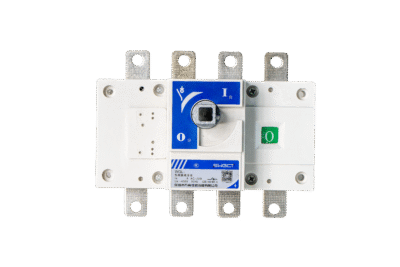
Circuit Breakers and Surge Protection
Effective surge protection should be combined with reliable circuit protection.
Circuit breakers help isolate faults while SPDs handle transient voltage events.
For businesses seeking professional circuit protection products, explore our product category:
👉 SWG Circuit Breaker Products
This internal resource includes solutions suitable for industrial, commercial, and electrical distribution applications.
Installation Best Practices
To maximize performance:
- Use proper grounding systems
- Follow manufacturer guidelines
- Minimize conductor lengths
- Conduct routine inspections
- Replace damaged protection modules promptly
Professional installation is strongly recommended for critical systems.

Common Mistakes to Avoid
Ignoring Grounding Quality
Poor grounding can reduce SPD effectiveness.
Selecting an Undersized Device
Insufficient surge capacity may lead to equipment damage.
Skipping Maintenance
Even high-quality SPDs should be inspected regularly.
Installing Protection in Only One Location
Layered protection often delivers the best results.
Future Trends in Surge Protection Technology
The surge protection industry continues to evolve through:
- Smart monitoring capabilities
- IoT-connected protection devices
- Predictive maintenance systems
- Remote diagnostics
- Enhanced lightning protection integration
These innovations are helping organizations improve electrical reliability while reducing operational risks.
Frequently Asked Questions
What does a surge protection device do?
It protects electrical systems and equipment from transient voltage spikes.
Can an SPD stop lightning damage?
It helps reduce damage from lightning-induced surges but should be used alongside proper grounding and lightning protection systems.
How long does a surge protection device last?
The lifespan depends on the number and severity of surge events encountered.
Is surge protection necessary for industrial facilities?
Yes. Industrial environments often face significant surge risks from motors, switching operations, and external events.
What is the difference between a surge protector and a surge protection device?
A surge protector is often a consumer term, while SPD is the technical industry designation.
Can SPDs protect solar power systems?
Yes. Specialized surge protection solutions are available for photovoltaic and renewable energy installations.
Conclusion
A surge protection device is an essential investment for protecting electrical infrastructure, sensitive electronics, and industrial equipment. By limiting transient overvoltages and safely diverting surge currents, these devices improve system reliability, reduce downtime, and lower long-term operating costs.
Whether protecting a commercial building, manufacturing facility, solar installation, or data center, selecting the right SPD and combining it with quality circuit protection products can significantly improve overall electrical safety.
For additional circuit protection solutions, visit:
This resource provides professional electrical protection products designed for modern power systems.