



Disconnect Switch: Complete Guide to Safe Electrical Isolation


Introduction to Electrical Isolator
A isolator switch is an essential electrical safety device designed to isolate electrical equipment from its power source before inspection, maintenance, or repair. Whether used in industrial facilities, commercial buildings, or renewable energy systems, a disconnect switch provides a visible and reliable means of disconnecting electrical circuits, helping protect both personnel and equipment.
Unlike circuit breakers, which automatically interrupt current during electrical faults, a isolation switch is primarily intended for safe isolation. Choosing the correct electrical isolator switch improves workplace safety, supports compliance with electrical standards, and contributes to the long-term reliability of electrical installations.
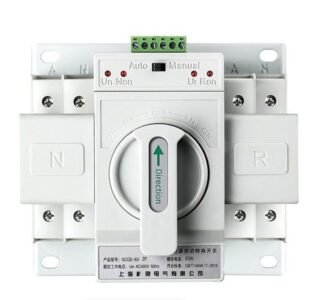
What Is a Disconnect Switch?
A disconnect switch, also known as an isolator switch or electrical isolation switch, is a manually operated switching device that completely disconnects electrical equipment from its power supply.
Its primary functions include:
- Providing visible electrical isolation
- Preventing accidental energization
- Allowing safe maintenance
- Improving operational safety
Most disconnect switches do not provide overload or short-circuit protection unless they incorporate fuses.
How a Disconnect Switch Works
Manual Isolation of Electrical Power
When the handle is moved to the OFF position, the switch physically separates electrical contacts, creating a visible air gap between the power source and the connected equipment.
This visible break allows maintenance personnel to verify that power has been safely disconnected.
Why Visible Isolation Matters
Visible isolation significantly reduces maintenance risks by ensuring that electrical circuits cannot accidentally become energized during servicing.
Main Types of Electrical Disconnect Device
Non-Fused Disconnecting Device
A non-fused isolation switch simply isolates electrical circuits.
Common applications include:
- Motor isolation
- HVAC equipment
- Manufacturing machinery
- Industrial control panels
Fused Disconnect Switch
A fused isolation equipment combines isolation with fuse protection.
Advantages include:
- Short-circuit protection
- Overcurrent protection
- Enhanced equipment safety
Indoor Disconnect Switch
Designed for indoor environments such as:
- Control rooms
- Electrical panels
- Commercial buildings
Outdoor Safety Disconnect Switch
Outdoor units feature weather-resistant enclosures suitable for:
- Solar installations
- Utility systems
- Industrial plants
Key Components of a Power Isolator
An electrical isolation equipment generally includes:
- Operating handle
- Fixed contacts
- Moving contacts
- Insulating enclosure
- Mechanical locking mechanism
- Terminal connections
Many industrial models also support padlocking for lockout/tagout (LOTO) procedures.
Advantages of Using a Disconnect Switch
Improved Electrical Safety
One of the biggest advantages is preventing accidental electrical contact during maintenance.
Simple Equipment Isolation
Operators can quickly disconnect equipment without shutting down the entire electrical system.
Compliance with Electrical Standards
Many electrical codes require disconnect switches near motors and industrial equipment.
Long Equipment Life
Proper isolation reduces unnecessary electrical stress during maintenance.
Power Isolator Applications
Disconnect switches are widely used across many industries.
Typical applications include:
- Manufacturing facilities
- Distribution panels
- Motor control centers
- HVAC systems
- Solar photovoltaic systems
- Wind energy installations
- Water treatment plants
- Commercial buildings
- Data centers
Disconnect Switch vs Circuit Breaker
Although both devices improve electrical safety, they serve different purposes.
| Feature | Disconnect Switch | Circuit Breaker |
|---|---|---|
| Manual isolation | Yes | Yes |
| Automatic fault protection | No | Yes |
| Visible air gap | Yes | Usually No |
| Maintenance isolation | Excellent | Good |
| Overload protection | Only fused models | Yes |
Many electrical systems use both devices together for maximum protection.
How to Choose the Right Power Isolator
Before selecting a disconnect switch, consider:
Voltage Rating
Choose a switch rated for your operating voltage.
Current Capacity
Ensure the switch matches the equipment’s full-load current.
Indoor or Outdoor Installation
Outdoor installations require weatherproof enclosures with appropriate IP or NEMA ratings.
Environmental Conditions
Consider:
- Dust
- Moisture
- Corrosion
- Temperature
- UV exposure
Installation Best Practices
For reliable operation:
- Install according to manufacturer instructions.
- Ensure proper grounding.
- Verify torque specifications.
- Test operation after installation.
- Follow local electrical codes.
Maintenance Tips
Routine maintenance helps extend service life.
Recommended inspections include:
- Contact wear
- Mechanical movement
- Loose terminals
- Corrosion
- Insulation condition
Periodic testing helps identify problems before failures occur.
Disconnect Switches and Circuit Protection
Although disconnect switches isolate electrical circuits, they are often installed alongside circuit breakers to provide complete protection.
For industrial and commercial electrical solutions, SWG offers a wide range of products, including circuit breakers and electrical protection equipment.
Internal Link (Your Website):
https://swgct.net/product-category/
https://swgct.net/product-category/circuit-breaker/
You can also explore SWG’s circuit protection products here:
https://swgct.net/product-category/circuit-breaker
Industry Standards for Disconnect Switches
Many disconnect switches comply with international standards such as:
- IEC 60947
- UL 98
- NEC (NFPA 70)
- ISO 9001 manufacturing requirements
Understanding these standards helps ensure safe and compliant installations.
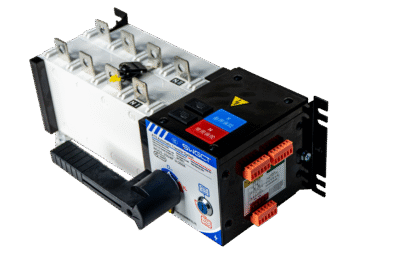
Future Trends in Disconnecting Switch Technology
Modern disconnect switches continue to evolve with features such as:
- Smart monitoring
- Remote operation
- IoT connectivity
- Higher energy efficiency
- Improved arc safety
- Compact modular designs
OSHA Lockout/Tagout: https://www.osha.gov/control-hazardous-energy
NFPA Electrical Codes: https://www.nfpa.org
IEC Standards: https://www.iec.ch
These innovations support safer and more intelligent electrical infrastructure.
Frequently Asked Questions
What is the purpose of a disconnect switch?
A disconnect switch safely isolates electrical equipment from its power source during maintenance or servicing.
Can a disconnect switch replace a circuit breaker?
No. A isolator switch provides isolation, while a circuit breaker provides fault protection.
Where should a disconnect switch be installed?
It is typically installed close to the equipment it controls to provide convenient and safe isolation.
What is the difference between a fused and non-fused power isolation switch?
A fused disconnect switch includes overcurrent protection through replaceable fuses, while a non-fused model only isolates power.
Do solar systems require disconnect switches?
Yes. Most photovoltaic installations include disconnect switches for maintenance and emergency shutdown.
How often should disconnect switches be inspected?
Industrial facilities commonly inspect disconnect switches annually or according to preventive maintenance schedules.
Conclusion
A disconnect switch is a fundamental component of safe electrical systems. By providing reliable isolation, it protects maintenance personnel, supports regulatory compliance, and improves equipment reliability. Whether installed in industrial machinery, renewable energy systems, or commercial buildings, selecting the correct disconnect switch contributes to safer and more efficient electrical operations.
For dependable electrical products, including circuit breakers and related equipment, visit SWG Product Center:


