



How to Connect ATS to Generator: Complete Installation Guide


Introduction: How to Connect ATS to Generator for Reliable Backup Power
Learning how to connect ATS to generator is essential for creating a reliable backup power system for homes, commercial buildings, and industrial facilities. An Automatic Transfer Switch (ATS) allows electrical loads to automatically switch between the main utility supply and a standby generator when a power failure occurs.
A properly installed ATS generator system improves power continuity, protects sensitive equipment, and reduces downtime during unexpected outages. Whether used in hospitals, factories, data centers, or commercial buildings, understanding the connection process helps ensure safe and efficient operation.
Before installing an ATS system, it is important to select suitable electrical protection equipment. You can explore professional circuit protection solutions from our product range here:
Internal link:
https://swgct.net/product
For general electrical safety standards, you can also refer to information from the International Electrotechnical Commission (IEC):
https://www.iec.ch/
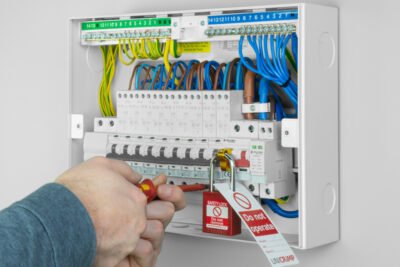
Understanding ATS and Generator Connection Systems
What Is an ATS Power Transfer System?
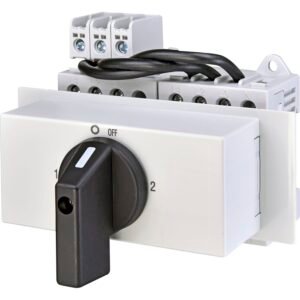
An Automatic Transfer Switch is an electrical device that monitors incoming power sources and automatically transfers the load from utility power to a generator when an outage occurs.
The basic operation includes:
- Monitoring utility power availability
- Detecting power interruption
- Starting the generator
- Switching electrical loads to generator power
- Returning to utility power when electricity is restored
An ATS acts as the communication bridge between the generator and the building’s electrical system.
Main Components in an ATS Generator Wiring System
A complete generator ATS installation usually contains several important components:
| Component | Function |
|---|---|
| Utility Power Input | Supplies normal electricity |
| Generator Input | Provides backup power source |
| ATS Controller | Manages automatic switching |
| Load Output | Sends power to connected equipment |
| Circuit Protection Device | Prevents electrical damage |
Selecting reliable protection devices is important because ATS systems often operate with high electrical loads.
How to Connect ATS to Generator Step by Step
Step 1: Turn Off All Power Sources Before ATS Installation
Safety must always come first. Disconnect:
- Utility power supply
- Generator output
- Main electrical panel connection
Only qualified electrical professionals should perform installation work.
Step 2: Connect Utility Power to ATS Input
The normal electricity supply connects to the utility input terminals of the ATS.
Typical connections include:
- Line wires
- Neutral wire
- Ground connection
The ATS continuously monitors this power source.
Step 3: Connect Generator Output to ATS
The generator output cables connect to the generator input terminals of the ATS.
The connection normally includes:
- Generator phase wires
- Neutral connection
- Grounding system
Correct ATS generator wiring ensures that the generator can safely supply power when needed.
Step 4: Connect ATS Output to Electrical Loads
The ATS output connects to the building distribution panel or critical load panel.
During normal operation:
Utility → ATS → Electrical Loads
During an outage:
Generator → ATS → Electrical Loads
Automatic Transfer Switch Connection to Generator: Control Wiring
Connecting ATS Communication Cables
Modern generators require control wiring between the ATS and generator controller.
These wires allow the ATS to:
- Send generator start signals
- Monitor generator status
- Stop the generator after power restoration
Incorrect control wiring can prevent automatic operation.
Testing ATS Generator Operation
After installation, perform several tests:
Utility Failure Test
Check whether:
- ATS detects power loss
- Generator starts automatically
- Load transfers successfully
Power Restoration Test
Verify:
- ATS returns load to utility power
- Generator shuts down correctly
Testing ensures reliable operation.
Key Considerations When Connecting ATS to Generator
Choosing the Correct ATS Capacity
The ATS rating should match the generator and electrical load.
Important factors include:
- Voltage rating
- Current capacity
- Number of phases
- Load type
An undersized ATS may overheat or fail during operation.
Generator ATS Installation Safety Requirements
A professional installation should include:
- Proper grounding
- Correct cable sizing
- Circuit protection
- Regular inspection
Using quality electrical components reduces operational risks.
For industrial circuit protection solutions, visit:
Common ATS Generator Wiring Mistakes
Incorrect Cable Connection
Wrong wiring between generator and ATS may cause:
- Failed power transfer
- Equipment damage
- Safety hazards
Ignoring Generator Capacity
The generator and ATS must be correctly matched.
A generator with insufficient capacity cannot support connected loads.
Poor Protection Design
Without proper protection devices, electrical faults may damage the ATS system.
Reliable breakers and protection components help improve system durability.
Applications of ATS Power Transfer Systems
Commercial Buildings
ATS systems are commonly used in:
- Office buildings
- Shopping centers
- Hotels
They maintain essential power during outages.
Industrial Facilities
Factories use generator ATS systems to protect:
- Production equipment
- Control systems
- Automation processes
Healthcare Facilities
Hospitals depend on automatic power transfer because continuous electricity is critical for patient safety.
Benefits of Proper ATS Generator Installation
A correctly installed system provides:
- Automatic backup power switching
- Reduced downtime
- Improved electrical safety
- Better equipment protection
- Reliable emergency power
Future Development of ATS Power Transfer Technology
Modern ATS solutions are becoming smarter through:
- Remote monitoring
- IoT communication
- Digital controllers
- Energy management integration
These technologies improve reliability and simplify maintenance.
Frequently Asked Questions (FAQs)
1. How to connect ATS to generator safely?
The ATS should be connected between utility power, generator output, and electrical loads following manufacturer instructions and electrical safety standards.
2. Can any generator work with an ATS?
Not all generators are compatible. The generator must support ATS communication and automatic start functions.
3. What size ATS do I need for my generator?
The ATS rating should match the generator output and the total electrical load requirements.
4. Does ATS require maintenance?
Yes. Regular inspections, testing, and connection checks help maintain reliable operation.
5. Why does my ATS fail to transfer power?
Common causes include:
- Incorrect wiring
- Control signal problems
- Generator faults
- Damaged ATS components
6. Is ATS installation suitable for industrial applications?
Yes. ATS systems are widely used in factories, commercial facilities, and critical infrastructure.
Conclusion
Understanding how to connect ATS to generator helps businesses and facility managers build safer and more reliable backup power systems. A properly installed ATS ensures smooth power transfer between utility electricity and generator supply during emergencies.
From correct wiring procedures to selecting suitable protection equipment, every component plays an important role in system performance. For reliable electrical products and protection solutions, visit:
A well-designed ATS generator system provides long-term power security, improved efficiency, and greater protection for critical electrical equipment.


