



Power Distribution Solutions: A Complete Guide for Modern Electrical Systems

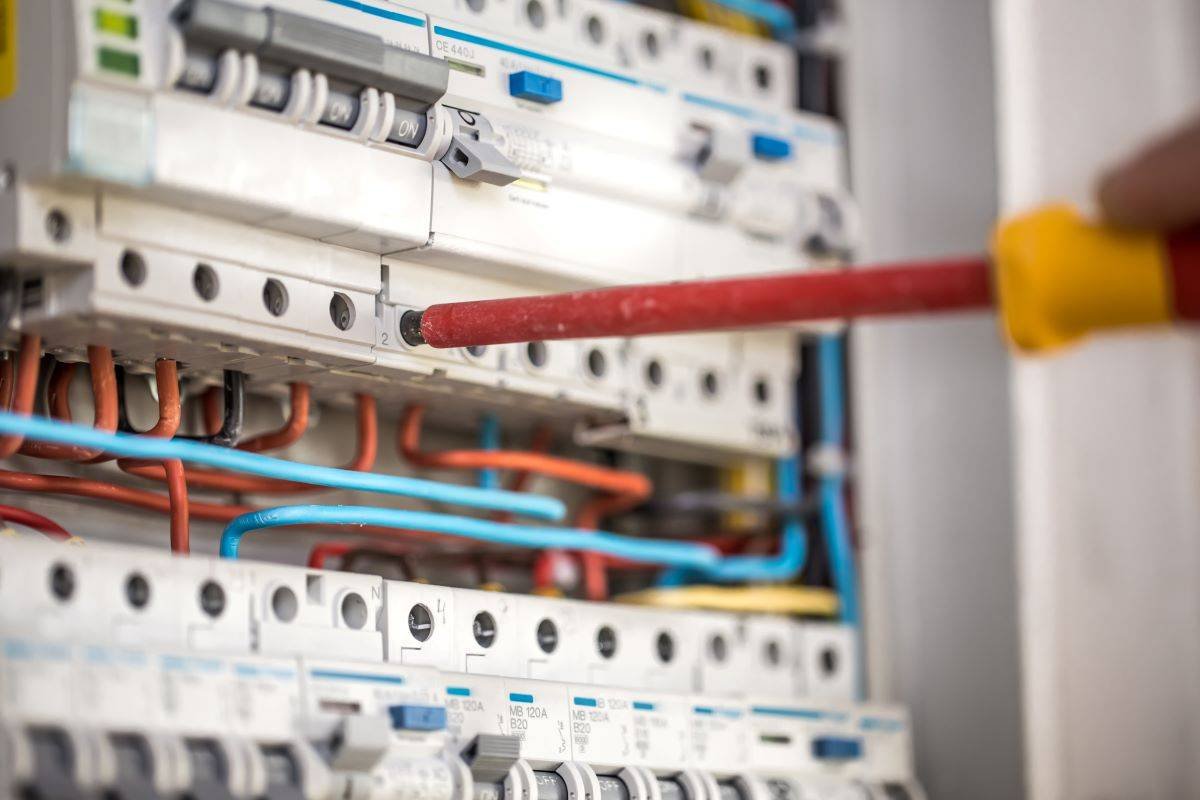
Modern industries, commercial buildings, and infrastructure projects rely on stable and efficient electrical networks to maintain continuous operations. As electrical demand increases and equipment becomes more sensitive, businesses need reliable power distribution solutions to ensure safe power delivery, improve system efficiency, and protect valuable electrical assets.
A well-designed power distribution system manages the flow of electricity from the main power source to different loads while providing protection against electrical faults, voltage fluctuations, and unexpected failures. From industrial plants to data centers and renewable energy systems, advanced distribution solutions play a critical role in maintaining electrical reliability.
This guide explains what power distribution solutions are, their key components, benefits, applications, and how modern technologies improve electrical system performance.
What Are Power Distribution Solutions?
Power distribution solutions refer to a complete range of electrical systems, equipment, and technologies designed to safely distribute electricity from power sources to end users.
A typical power distribution system includes:
- Switchgear
- Distribution panels
- Circuit protection devices
- Surge protection systems
- Monitoring equipment
- Control systems
- Power management solutions
The main purpose of a distribution system is to deliver electricity safely, efficiently, and reliably while minimizing downtime and protecting connected equipment.
Modern facilities often combine distribution equipment with advanced protection technologies such as surge protection devices to reduce risks caused by transient overvoltages and electrical disturbances.
Why Are Power Distribution Solutions Important?
Electrical systems are becoming increasingly complex. Industrial automation, smart buildings, renewable energy systems, and digital infrastructure all require stable and uninterrupted power.
Effective power distribution solutions provide several advantages:
Improved Electrical Safety
Electrical faults, overloads, and voltage surges can create serious risks for equipment and personnel.
A properly designed distribution system uses protection devices to detect abnormal conditions and disconnect affected circuits when necessary.
Increased System Reliability
Unexpected electrical failures can interrupt production and business operations.
Reliable distribution solutions help maintain continuous power delivery by using coordinated protection and monitoring systems.
Reduced Equipment Damage
Sensitive electrical equipment can be damaged by:
- Voltage spikes
- Short circuits
- Overloads
- Electrical transients
Integrating electrical protection products into a distribution system helps protect critical assets and extend equipment service life.
Better Energy Management
Modern distribution systems can include monitoring technologies that provide information about:
- Energy consumption
- Power quality
- Equipment performance
- Load conditions
This information allows businesses to optimize energy usage and improve operational efficiency.
Key Components of Power Distribution Solutions
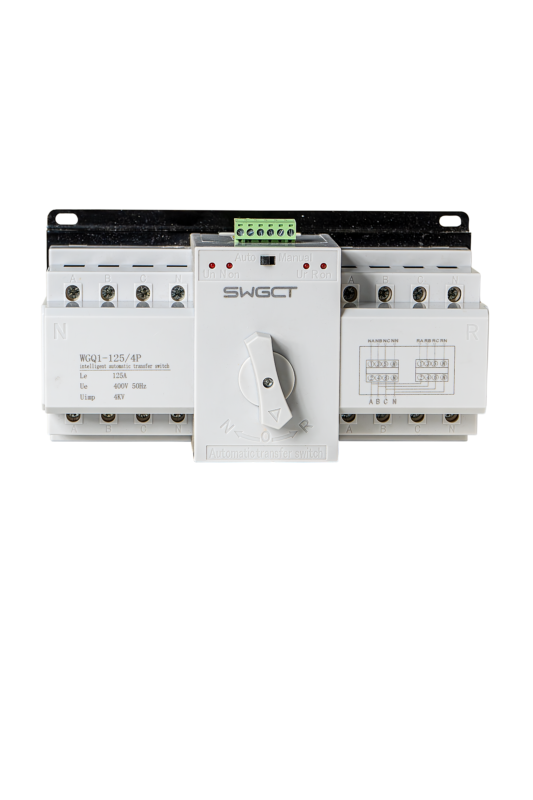
A complete electrical distribution system consists of multiple components working together.
Distribution Panels
Distribution panels divide electrical power into separate circuits and provide protection for downstream equipment.
They are commonly installed in:
- Commercial buildings
- Industrial facilities
- Data centers
- Manufacturing plants
Circuit Protection Devices
Protection devices help prevent damage caused by abnormal electrical conditions.
Common protection components include:
- Circuit breakers
- Fuses
- Residual current devices
- Surge protection devices
These components ensure electrical systems operate safely under different conditions.
Surge Protection Devices
Voltage surges can occur due to lightning strikes, utility switching, and internal equipment operation.
Installing a surge protection device (SPD) provides an additional protection layer by diverting excessive voltage safely away from sensitive equipment.
Switchgear Systems
Switchgear controls, protects, and isolates electrical circuits.
It is commonly used in:
- Power plants
- Industrial facilities
- Commercial buildings
- Infrastructure projects
Types of Power Distribution Systems
Different applications require different distribution approaches.
Low Voltage Distribution Systems
Low voltage distribution systems are widely used in commercial buildings, residential applications, and small industrial facilities.
They typically distribute electricity below 1,000V and include:
- Distribution boards
- Circuit breakers
- Protection devices
Medium Voltage Distribution Systems
Medium voltage systems are commonly used for industrial and utility applications.
They provide efficient power distribution for:
- Factories
- Large facilities
- Renewable energy projects
Industrial Power Distribution Systems
Industrial environments require highly reliable solutions due to continuous operation requirements.
Industrial distribution systems often include:
- Motor control centers
- Protection relays
- Automation systems
- Advanced monitoring
Power Distribution Solutions for Industrial Applications
Industrial facilities depend on reliable electrical infrastructure to support manufacturing processes and automation systems.
Common industrial applications include:
Manufacturing Plants
Production equipment requires stable power quality to prevent:
- Machine failures
- Production interruptions
- Maintenance issues
Automation Systems
Modern factories use PLCs, sensors, and control systems that require clean and stable power.
Renewable Energy Facilities
Solar and renewable energy installations require specialized distribution systems to manage energy generation and grid connection.
For renewable applications, companies often integrate DC surge protection solutions to protect photovoltaic and energy storage equipment.
How Surge Protection Improves Power Distribution Systems
Electrical surges are one of the most common threats to modern electrical equipment.
Sources of surges include:
- Lightning activity
- Utility switching
- Large motors
- Transformers
- Industrial machinery
A coordinated surge protection strategy helps protect the entire electrical network.
According to the International Electrotechnical Commission (IEC), surge protective devices are evaluated according to international standards including IEC 61643.
A complete protection approach may include:
- Type 1 SPD at service entrances
- Type 2 SPD at distribution panels
- Type 3 SPD near sensitive equipment
Smart Power Distribution Solutions
The future of electrical distribution is moving toward smarter and more connected systems.
Smart distribution solutions may include:
Remote Monitoring
Digital monitoring allows operators to track:
- Voltage levels
- Current loads
- Equipment status
- Fault conditions
Energy Management Systems
Energy management platforms help organizations analyze consumption patterns and improve efficiency.
Predictive Maintenance
Monitoring data can help identify potential failures before they occur.
This reduces downtime and improves maintenance planning.
How to Choose the Right Power Distribution Solution
Selecting the right solution depends on several factors.
Assess Electrical Requirements
Consider:
- System voltage
- Load capacity
- Equipment type
- Operating environment
Evaluate Protection Requirements
Different applications require different protection levels.
Important considerations include:
- Surge protection requirements
- Short-circuit protection
- Overcurrent protection
- Grounding systems
Consider Future Expansion
A good distribution system should support future upgrades and increased power demand.
Choose Reliable Components
High-quality electrical components improve long-term system performance and reduce maintenance costs.
International Standards for Power Distribution Systems
Reliable electrical systems should follow recognized safety standards.
Important standards include:
- IEC electrical standards
- UL safety standards
- IEEE electrical guidelines
The Underwriters Laboratories (UL) provides safety certification standards for many electrical products and systems.
Compliance with international standards helps ensure:
- Product safety
- System reliability
- Better performance
Common Mistakes in Power Distribution Design
Poor planning can reduce system efficiency and reliability.
Common mistakes include:
Insufficient Protection
Failing to install proper protection devices can expose equipment to unnecessary risks.
Incorrect Equipment Selection
Using components that do not match system requirements can lead to failures.
Poor Grounding Design
A reliable grounding system is essential for electrical safety and surge protection performance.
Lack of Maintenance
Regular inspection and testing help maintain system reliability.
Benefits of Professional Power Distribution Solutions
Working with experienced electrical solution providers offers several advantages:
- Proper system design
- Correct equipment selection
- Improved safety compliance
- Reduced operational risks
- Long-term reliability
A professionally designed distribution system helps businesses achieve stable power delivery while protecting critical electrical infrastructure.
Frequently Asked Questions
What are power distribution solutions?
Power distribution solutions are electrical systems and technologies used to safely distribute electricity from power sources to equipment and facilities while providing protection and control.
Why are power distribution systems important?
They improve electrical safety, protect equipment, reduce downtime, and ensure reliable power delivery for industrial and commercial applications.
What components are included in a power distribution system?
Common components include distribution panels, switchgear, circuit breakers, surge protection devices, monitoring systems, and control equipment.
How do surge protection devices support power distribution?
Surge protection devices protect electrical systems by diverting transient overvoltages caused by lightning, switching operations, and electrical disturbances.
Where are power distribution solutions used?
They are widely used in manufacturing plants, commercial buildings, renewable energy projects, data centers, and infrastructure facilities.
How can businesses improve power distribution reliability?
Businesses can improve reliability by using quality components, implementing proper protection systems, monitoring equipment performance, and performing regular maintenance.
Conclusion
Reliable power distribution solutions are essential for modern electrical systems that require safe, efficient, and uninterrupted power delivery. From industrial facilities to commercial buildings, a properly designed distribution network helps protect equipment, improve energy efficiency, and reduce operational risks.
By combining advanced distribution equipment with effective protection technologies, businesses can build electrical systems that are safer, smarter, and more reliable.
For professional electrical protection and distribution solutions, explore SWG’s range of surge protection products and electrical protection technologies designed for modern applications.


