



Generator Backup Power System: A Complete Guide for Reliable Power Supply

Power interruptions can cause significant problems for businesses, industrial facilities, healthcare centers, and critical infrastructure. A reliable generator backup power system provides an emergency electricity source to keep essential equipment operating when the main power supply fails.
From commercial buildings to manufacturing plants and data centers, backup generator systems help maintain business continuity, protect valuable equipment, and reduce downtime caused by unexpected power outages.
This guide explains what a generator backup power system is, how it works, its key components, applications, benefits, and how to choose the right solution for different electrical requirements.
What Is a Generator Backup Power System?
A generator backup power system is an emergency power solution that automatically or manually supplies electricity when the primary power source becomes unavailable.
The system typically consists of:
- Backup generator
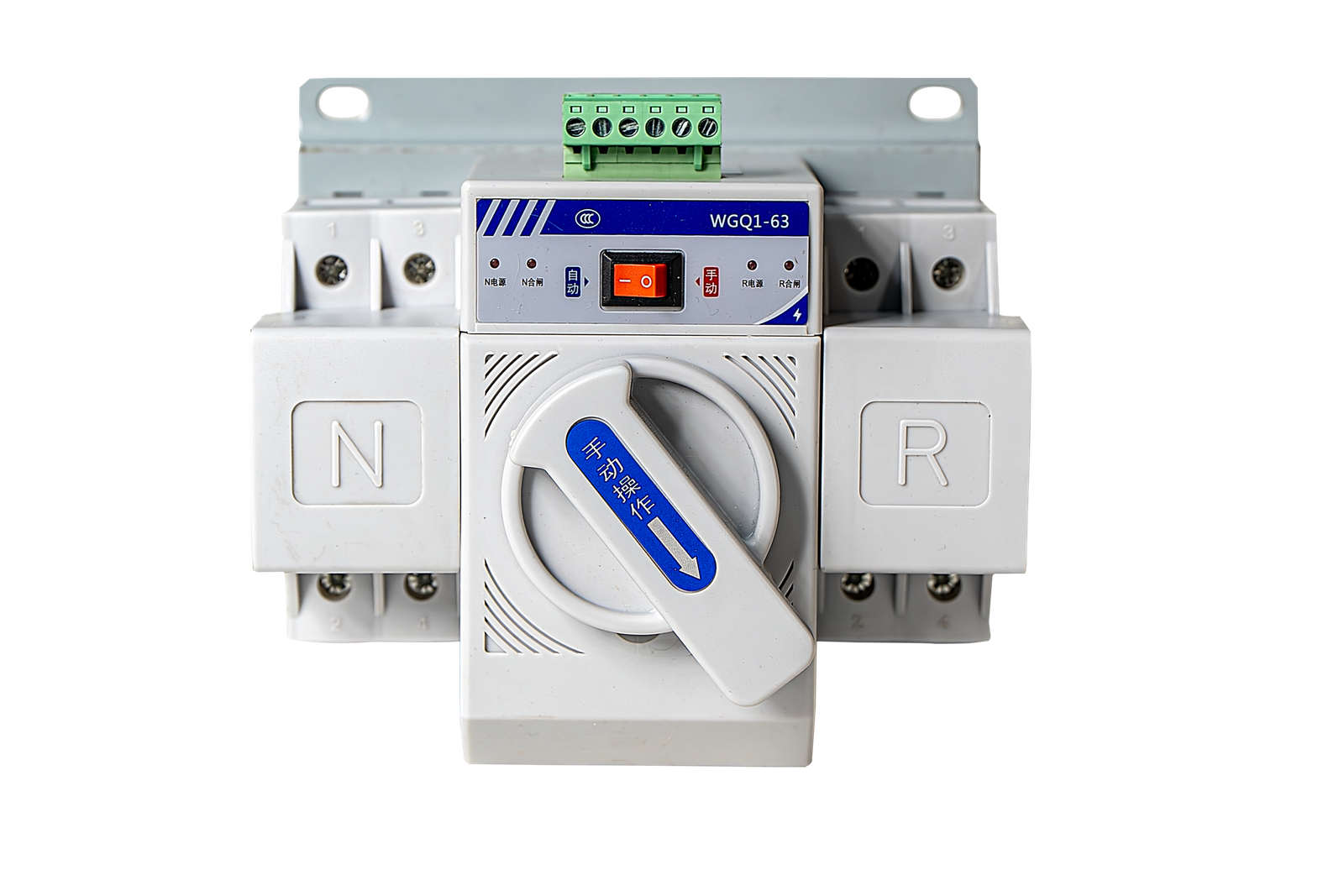
- Automatic transfer switch (ATS)
- Fuel system
- Control panel
- Distribution equipment
- Battery starting system
- Protection devices
When a power outage occurs, the system detects the interruption and transfers the electrical load from the utility supply to the generator.
Once normal power is restored, the system switches back automatically and places the generator into standby mode.
A complete backup power solution often works together with reliable power distribution solutions to ensure safe and stable electricity delivery.
How Does a Generator Backup Power System Work?
A generator backup power system operates through several coordinated steps.
Step 1: Monitoring the Main Power Supply
The system continuously monitors incoming utility power.
If it detects:
- Complete power failure
- Voltage drop
- Frequency abnormality
- Phase failure
the backup sequence begins.
Step 2: Starting the Generator
After detecting a power interruption, the generator starts automatically.
The engine uses fuel to drive an alternator, which produces electrical energy.
Common fuel types include:
- Diesel
- Natural gas
- Liquefied petroleum gas (LPG)
Step 3: Transferring the Electrical Load
The automatic transfer switch disconnects the building from the utility supply and connects it to the generator output.
This prevents unsafe power feedback and ensures controlled power transfer.
Step 4: Supplying Backup Electricity
The generator provides power to selected loads or the entire facility depending on system design.
Critical loads may include:
- Emergency lighting
- Medical equipment
- Security systems
- Servers
- Industrial control systems
Step 5: Returning to Normal Power
When utility power returns, the transfer switch reconnects the facility to the main supply.
The generator then enters a cooling cycle before shutting down and returning to standby mode.
Key Components of a Generator Backup Power System
A reliable backup power system depends on multiple components working together.
Backup Generator
The generator is the main power-producing component.
It consists of:
- Engine
- Alternator
- Fuel system
- Cooling system
- Control system
Generator capacity is usually measured in:
- kW (kilowatts)
- kVA (kilovolt-amperes)
Proper sizing is essential to ensure the generator can support the required electrical loads.
Automatic Transfer Switch (ATS)
The ATS is responsible for switching between utility power and generator power.
Its functions include:
- Detecting power failures
- Starting the generator
- Transferring loads
- Returning to utility power
An ATS improves reliability by allowing automatic operation without manual intervention.
Generator Control Panel
The control panel manages generator operation.
It monitors:
- Voltage
- Frequency
- Engine status
- Fuel level
- Fault conditions
Modern controllers may support remote monitoring and system diagnostics.
Fuel System
The fuel system stores and supplies energy for generator operation.
Common fuel options include:
- Diesel fuel systems
- Natural gas systems
- LPG systems
Fuel selection depends on:
- Operating environment
- Runtime requirements
- Availability
Backup Power Distribution Equipment
The generator must connect safely to the building electrical system.
This requires suitable distribution equipment such as:
- Switchgear
- Distribution panels
- Circuit protection devices
Integrating commercial power distribution equipment helps ensure backup power is distributed safely throughout the facility.
Types of Generator Backup Power Systems
Different applications require different backup generator configurations.
Standby Generator Systems
Standby generators automatically provide emergency power during outages.
They are commonly used in:
- Offices
- Hospitals
- Commercial buildings
- Residential properties
Prime Power Generator Systems
Prime power generators operate as a primary electricity source where grid power is unavailable or unreliable.
Applications include:
- Remote sites
- Construction areas
- Mining operations
Continuous Power Generator Systems
Continuous generators provide long-term power for applications requiring constant operation.
They are used in:
- Remote industrial facilities
- Off-grid locations
- Specialized infrastructure
Applications of Generator Backup Power Systems
Backup generator systems are essential in many industries.
Commercial Buildings
Businesses use generators to maintain:
- Lighting
- Elevators
- HVAC systems
- Security systems
- Communication networks
Healthcare Facilities
Hospitals require uninterrupted power for:
- Life-support equipment
- Medical devices
- Emergency systems
- Patient monitoring
Data Centers
Data centers depend on backup power to protect:
- Servers
- Storage systems
- Network equipment
Power interruption can cause data loss and service disruption.
Industrial Facilities
Factories require continuous electricity for:
- Production lines
- Automation systems
- Motors
- Control equipment
A reliable generator backup power system helps prevent costly production downtime.
Telecommunications Infrastructure
Telecom sites use backup generators to maintain:
- Communication networks
- Mobile services
- Data transmission systems
Benefits of a Generator Backup Power System
Installing a backup generator provides several important advantages.
Prevents Operational Downtime
Power outages can interrupt business operations.
Backup generators maintain essential electrical loads and improve business continuity.
Protects Critical Equipment
Sudden power loss can damage sensitive electronic systems.
Backup power helps maintain stable operation for:
- Control systems
- Servers
- Medical equipment
Improves Emergency Preparedness
Organizations with backup power systems can respond better during:
- Severe weather
- Grid failures
- Natural disasters
- Utility problems
Supports Electrical Reliability
A properly designed backup system provides dependable power when it is needed most.
Generator Backup Power System and Surge Protection
Generators protect against power loss, but they do not eliminate all electrical risks.
Electrical surges can still occur during:
- Generator startup
- Load switching
- Utility restoration
- Lightning events
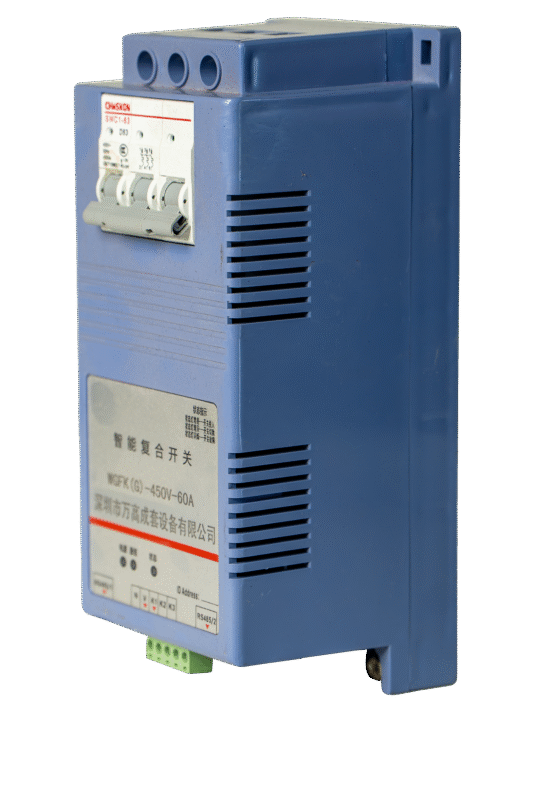
Adding a surge protection device (SPD) provides additional protection by limiting transient overvoltages.
A complete backup power system may include:
- Generator
- Automatic transfer switch
- Distribution equipment
- Surge protection
- Grounding system
Together, these components provide more comprehensive electrical protection.
How to Choose the Right Generator Backup Power System
Selecting the correct system requires careful planning.
Calculate Power Requirements
Consider:
- Total electrical load
- Starting current of motors
- Critical equipment requirements
- Future expansion
Determine Required Runtime
Evaluate how long backup power is needed.
Factors include:
- Fuel availability
- Emergency requirements
- Facility operating conditions
Consider Installation Environment
Important factors include:
- Indoor or outdoor installation
- Temperature conditions
- Noise requirements
- Ventilation
Select Reliable Protection Equipment
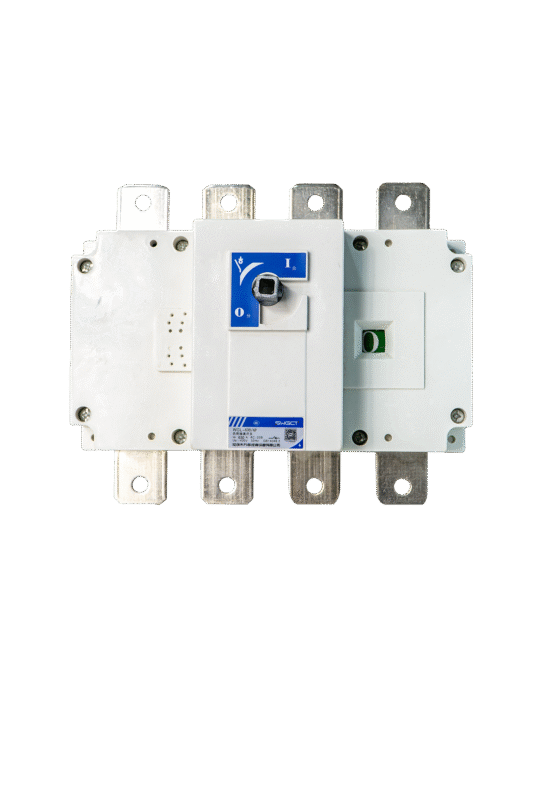
The generator should be integrated with appropriate electrical protection systems.
This includes:
- Circuit protection
- Surge protection
- Grounding systems
Maintenance Tips for Generator Backup Power Systems
Regular maintenance ensures reliable performance.
Recommended practices include:
- Test the generator regularly
- Check fuel quality
- Inspect batteries
- Verify ATS operation
- Monitor engine performance
- Check electrical connections
Preventive maintenance helps identify issues before emergency situations occur.
Standards for Generator Backup Power Systems
Backup power installations should follow recognized electrical safety standards.
Important references include:
- IEC standards
- NFPA guidelines
- UL standards
The National Fire Protection Association (NFPA) provides widely recognized safety guidance for emergency power systems.
The UL Solutions provides safety standards and certification services for electrical equipment.
Following applicable standards helps improve system safety and reliability.
Common Generator Backup Power System Problems
Battery Failure
Weak batteries can prevent the generator from starting.
Solution: Regular testing and replacement.
Fuel Problems
Old or contaminated fuel can affect generator performance.
Solution: Maintain proper fuel storage.
Overloading
Connecting excessive loads can damage the generator.
Solution: Perform accurate load calculations.
Poor Maintenance
Lack of testing may cause failures during emergencies.
Solution: Follow scheduled maintenance programs.
Frequently Asked Questions
What is a generator backup power system?
A generator backup power system is an emergency electrical system that provides power when the main electricity supply fails.
How does a backup generator start automatically?
An automatic transfer switch detects power loss and sends a signal to start the generator.
How long can a backup generator run?
Runtime depends on generator size, fuel capacity, load level, and maintenance conditions.
Do generators need surge protection?
Yes. Surge protection helps protect generator-connected equipment from transient voltage events.
What industries need generator backup power systems?
Industries including healthcare, manufacturing, data centers, telecommunications, and commercial buildings rely on backup generators.
What is the difference between a standby generator and a prime generator?
Standby generators provide emergency backup power during outages, while prime generators are designed for regular or continuous operation.
Conclusion
A reliable generator backup power system is essential for organizations that cannot afford unexpected power interruptions. By providing emergency electricity during outages, generator systems help protect critical equipment, maintain operations, and improve electrical reliability.
However, a complete backup power strategy requires more than just a generator. Proper integration with transfer switches, distribution equipment, grounding systems, and surge protection ensures safer and more dependable performance.
For professional electrical protection solutions, explore SWG’s power distribution and surge protection solutions designed for commercial, industrial, and critical power applications.


