


Lightning Surge Protector: Essential Guide to Powerful Electrical Protection

Introduction
A Lightning Surge Protector is a critical device designed to protect electrical systems from sudden voltage spikes caused by lightning strikes and power disturbances. These surges can instantly damage sensitive electronics, disrupt operations, and lead to expensive repairs.
By installing a Lightning Surge Protector, homes and businesses can ensure safer, more stable electrical performance while reducing long-term risks.
Understanding Electrical Surges
Electrical surges are sudden increases in voltage that exceed normal levels. These spikes can occur due to:
- Lightning strikes
- Power grid switching
- Faulty wiring
Even a brief surge can damage devices like computers, appliances, and industrial machinery.
How Surge Protection Technology Works
A protection device continuously monitors voltage levels and reacts instantly when abnormalities occur.
Voltage Clamping Mechanism
The system limits voltage to a safe level, ensuring connected equipment is not exposed to harmful spikes.
Energy Diversion Process
Excess energy is redirected safely to the ground, preventing it from reaching sensitive components.
Types of Protection Devices
Different protection systems are used depending on installation location and protection level.
Primary Protection Units
Installed at the main electrical entry point, these handle external surges such as lightning.
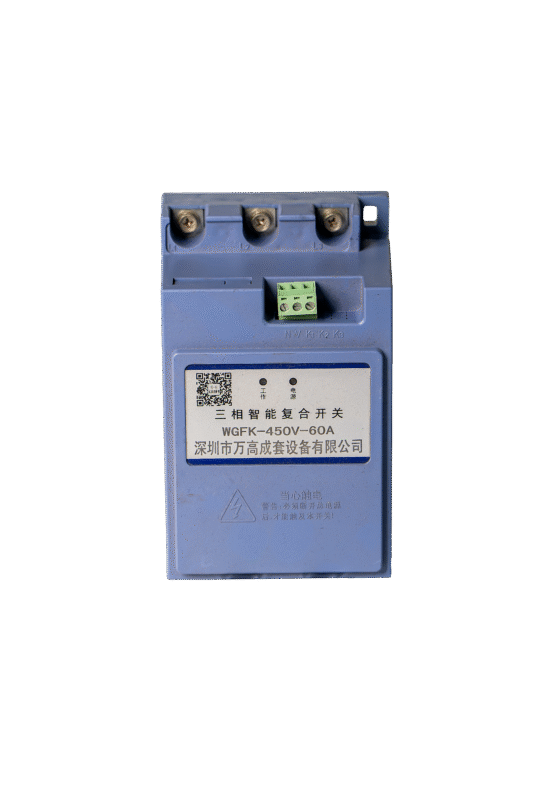
Secondary Protection Units
Located in distribution panels, they protect internal circuits.
Point-of-Use Devices
Placed near equipment to provide localized protection.
Key Components Inside a Lightning Surge Protector
A Lightning Surge Protector typically includes:
- Metal Oxide Varistors (MOVs)
- Gas Discharge Tubes (GDTs)
- Thermal protection elements
These components work together to detect and suppress voltage spikes efficiently.
Common Applications
Residential Systems
Protects home appliances, smart devices, and entertainment systems.
Industrial Facilities
Prevents downtime in automation and manufacturing environments.
Commercial Buildings
Safeguards servers, communication systems, and office equipment.
Benefits of Using This Protection Device
Enhanced Equipment Safety
Prevents damage to expensive electrical devices.
Reduced Repair Costs
Minimizes the need for frequent replacements.
Improved System Reliability
Ensures stable and consistent power flow.
Limitations to Be Aware Of
Finite Lifespan
Protection components degrade over time.
Capacity Limits
Extremely large surges may exceed the device’s rating.
Comparison with Standard Surge Protectors
| Feature | Lightning Protection Device | Basic Surge Protector |
|---|---|---|
| Protection Level | High | Moderate |
| Installation | Fixed | Plug-in |
| Usage | Industrial/Whole-house | Personal devices |
Installation Best Practices
- Install near the main power source
- Ensure proper grounding
- Use certified professionals
Maintenance Guidelines
- Conduct periodic inspections
- Replace after major surge events
- Monitor indicator status
Future Trends in Surge Protection
Modern systems now include:
- Smart monitoring features
- IoT connectivity
- Predictive maintenance capabilities
Buying Guide
When choosing a protection device, consider:
- Surge capacity rating
- Response time
- Compliance with safety standards
Preguntas frecuentes
1. What does a Lightning Surge Protector do?
It protects electrical systems from voltage spikes caused by lightning.
2. Is it necessary for homes?
Yes, especially in areas prone to lightning storms.
3. How long does it last?
Typically several years depending on usage and surge exposure.
4. Can it stop all lightning damage?
It significantly reduces risk but cannot guarantee complete protection.
5. Does it require maintenance?
Yes, regular inspection is recommended.
6. Where should it be installed?
At the main electrical panel or near critical equipment.
Conclusion
A Lightning Surge Protector is an essential investment for protecting electrical systems from unpredictable voltage spikes. It enhances safety, improves system reliability, and reduces costly damage across residential, commercial, and industrial environments.