



Optimizing Industrial Power Quality with SWG Distribution Switchgear and Protection Devices

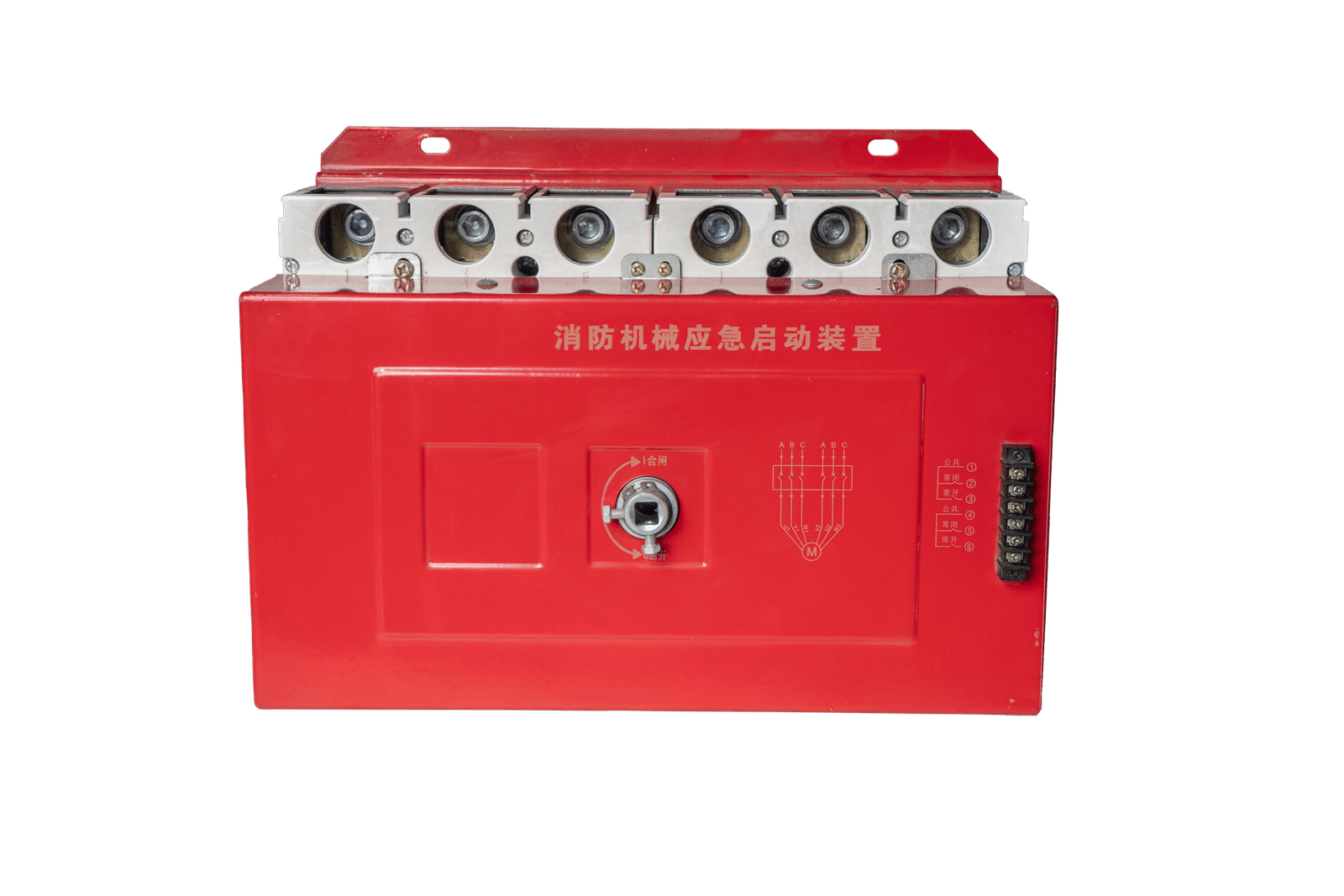
Power quality is no longer a concern reserved for sensitive electronics manufacturers. In today’s industrial landscape, every facility—from automotive assembly plants to wastewater treatment facilities—depends on clean, stable power to maintain productivity and protect valuable assets. Voltage sags, harmonics, transients, and imbalances can disrupt operations, damage equipment, and inflate energy costs. Addressing these challenges requires a comprehensive approach to power distribution, anchored by high-performance distribution switchgear and control devices from SWG.
Understanding Power Quality Challenges
Before implementing solutions, it is essential to understand the problems:
- Voltage Sags and Interruptions: Even momentary voltage reductions can cause contactors to drop out, variable frequency drives to trip, and production lines to halt.
- Harmonic Distortion: Non-linear loads such as VFDs, rectifiers, and LED lighting inject harmonic currents into the distribution system, causing overheating of transformers and neutral conductors.
- Transient Overvoltages: Switching operations and external events (like lightning strikes) generate high-voltage spikes that can degrade insulation and damage sensitive electronics.
- Load Imbalance: Unequal loading across phases reduces system capacity and increases losses.
SWG’s Approach to Power Quality
SWG addresses these challenges through a multi-layered strategy embedded within its distribution equipment:

1. Robust Switchgear Design
Quality begins with the switchgear itself. SWG’s distribution switchgear incorporates features that inherently improve power quality:
- High-quality insulation materials resist tracking and degradation, maintaining dielectric strength over decades of service.
- Optimized busbar configurations minimize inductive voltage drops and ensure even current distribution.
- Enclosures designed for electromagnetic compatibility (EMC) contain emissions and protect sensitive electronics from external interference.
2. Integrated Protection Functions
Modern motor protection devices from SWG go beyond simple overload protection. They monitor voltage conditions, detect phase imbalance, and can be programmed to trip or alarm when power quality parameters fall outside acceptable ranges. This proactive protection prevents equipment damage before it occurs.
3. Selectivity and Coordination
When faults do occur, SWG’s circuit protection devices are engineered for precise coordination. By carefully matching trip characteristics across the distribution hierarchy, only the device closest to the fault operates, minimizing disruption to unaffected circuits. This selective coordination is essential for maintaining uptime in critical processes.
4. Monitoring and Diagnostics
You cannot manage what you cannot measure. SWG’s advanced control devices increasingly incorporate monitoring capabilities, providing real-time data on voltage, current, power factor, and harmonic distortion. When integrated with facility energy management systems, this data enables continuous improvement in power quality and energy efficiency.
Case Study: SWG in Action
Consider a typical application: a mid-sized manufacturing facility experiencing unexplained downtime due to voltage sags originating from the utility supply. By installing SWG distribution switchgear with voltage monitoring and ride-through capabilities, the facility can differentiate between momentary sags (which the equipment can tolerate) and sustained interruptions (which require orderly shutdown). Additionally, SWG control devices with programmable under-voltage settings prevent unnecessary tripping during brief disturbances, maintaining production continuity.
Specifying SWG for Your Application
When specifying SWG distribution switchgear and control devices for power quality-sensitive applications, consider these factors:
- Fault Ride-Through Requirements: Determine how long your equipment must tolerate voltage sags and select devices with appropriate hold-in characteristics.
- Harmonic Mitigation Needs: For facilities with significant non-linear loads, consider SWG’s range of harmonic filtering options integrated into the distribution equipment.
- Communication Requirements: Specify devices with the communication interfaces (Modbus, Profibus, Ethernet/IP) needed for integration with your facility’s monitoring and control infrastructure.
- Environmental Conditions: Select appropriate enclosure ratings (IP/NEMA) based on the installation environment—indoors, outdoors, dusty, or corrosive.
Conclusion
Power quality optimization is not a one-time project but an ongoing commitment to operational excellence. By partnering with SWG and deploying high-quality distribution switchgear and control devices, you establish a foundation upon which reliable, efficient operations can be built. From the main incoming supply to the smallest branch circuit, SWG products work together to deliver the power quality your processes demand.
For assistance in selecting the right SWG solutions for your power quality challenges, consult our technical resources on industrial power distribution and protection.


