



Power Factor Correction Capacitor Guide


Introduction to Power Factor Correction Capacitor
A Power Factor Correction Capacitor is used to improve the efficiency of electrical systems by compensating reactive power caused by inductive loads such as motors and transformers. By installing a Power Factor Correction Capacitor, businesses can reduce energy waste, lower electricity costs, and stabilize voltage levels in both industrial and commercial environments.
Understanding Power Factor and Energy Efficiency
Power factor measures how effectively electrical energy is used. A low value indicates wasted energy and inefficiency.
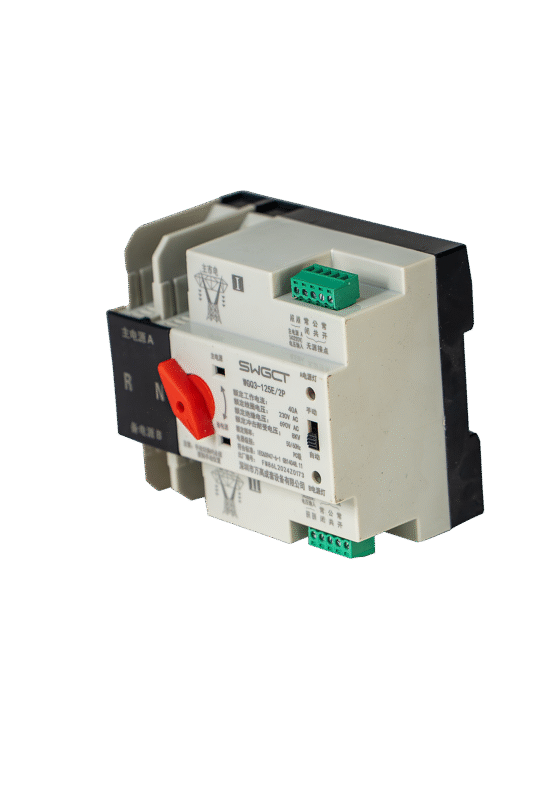
Why Power Factor Matters in Electrical Systems
- Increases electricity costs
- Causes energy losses
- Reduces system efficiency
Improving this metric is essential for modern energy management.
Working Principle of Power Factor Correction Systems
A Power Factor Correction Capacitor works by supplying reactive power locally, reducing the burden on the power grid.
Reactive Power Compensation Process
It balances inductive loads and improves system efficiency.
Voltage Stabilization Mechanism
Helps maintain stable voltage levels for smooth operation.
Types of Capacitors Used for Power Factor Correction
Fixed Capacitor Units
Provide constant correction for steady loads.
Automatic Capacitor Banks
Adjust output based on load demand.
Detuned Capacitor Systems
Prevent harmonic resonance in complex systems.
Key Components in Correction Systems
A typical system includes:
- Capacitor units
- Controllers
- Contactors
- Protection devices
These components ensure safe and efficient operation.
Applications in Industrial and Commercial Sectors
Industrial Applications
Used in factories with heavy machinery.
Commercial Applications
Installed in office buildings and malls.
Utility Systems
Helps improve grid efficiency.
Benefits of Power Factor Improvement
Energy Cost Reduction
Using a Power Factor Correction Capacitor lowers electricity bills.
Improved System Performance
Enhances efficiency and reduces losses.
Extended Equipment Lifespan
Reduces stress on electrical components.
Challenges and Considerations
Risk of Overcompensation
Excess correction can create instability.
Harmonic Distortion Issues
Requires proper system design.
Comparison with Standard Capacitors
| Feature | Power Factor Correction Capacitor | Standard Capacitor |
|---|---|---|
| Purpose | Efficiency improvement | General use |
| Performance | High | Moderate |
Installation Best Practices
- Correct sizing is essential
- Install near load centers
- Ensure proper grounding
Maintenance and Monitoring
- Conduct routine inspections
- Monitor temperature
- Replace aging units
Future Trends in Capacitor Technology
- Smart monitoring systems
- IoT-enabled solutions
- Predictive maintenance
Buying Guide
When choosing a solution, consider:
- Voltage rating
- Capacity
- System compatibility
For global standards, refer to:
👉 https://www.iec.ch/
Internal Resources
Explore related topics:
👉 https://swgct.net/
👉 https://swgct.net/?s=+Power+Factor+Correction+Capacitor&post_type=product&product_cat=0
Image SEO Optimization
- power factor correction capacitor industrial system
- automatic capacitor bank installation
- electrical panel with power factor correction capacitor
Preguntas frecuentes
1. What is a Power Factor Correction Capacitor used for?
It improves efficiency by reducing reactive power.
2. Why is power factor important?
It affects energy cost and system performance.
3. Where is it commonly used?
Industrial plants, commercial buildings, and utilities.
4. Does it reduce electricity bills?
Yes, significantly.
5. Does it require maintenance?
Yes, regular checks are necessary.
6. Is it expensive?
Moderate upfront cost with long-term savings.
Conclusion
A Power Factor Correction Capacitor plays a vital role in improving electrical efficiency and reducing operational costs. It is an essential solution for modern energy systems seeking stability, reliability, and cost savings.


