



The Evolution and Importance of Electrical Control Systems in Modern Industry

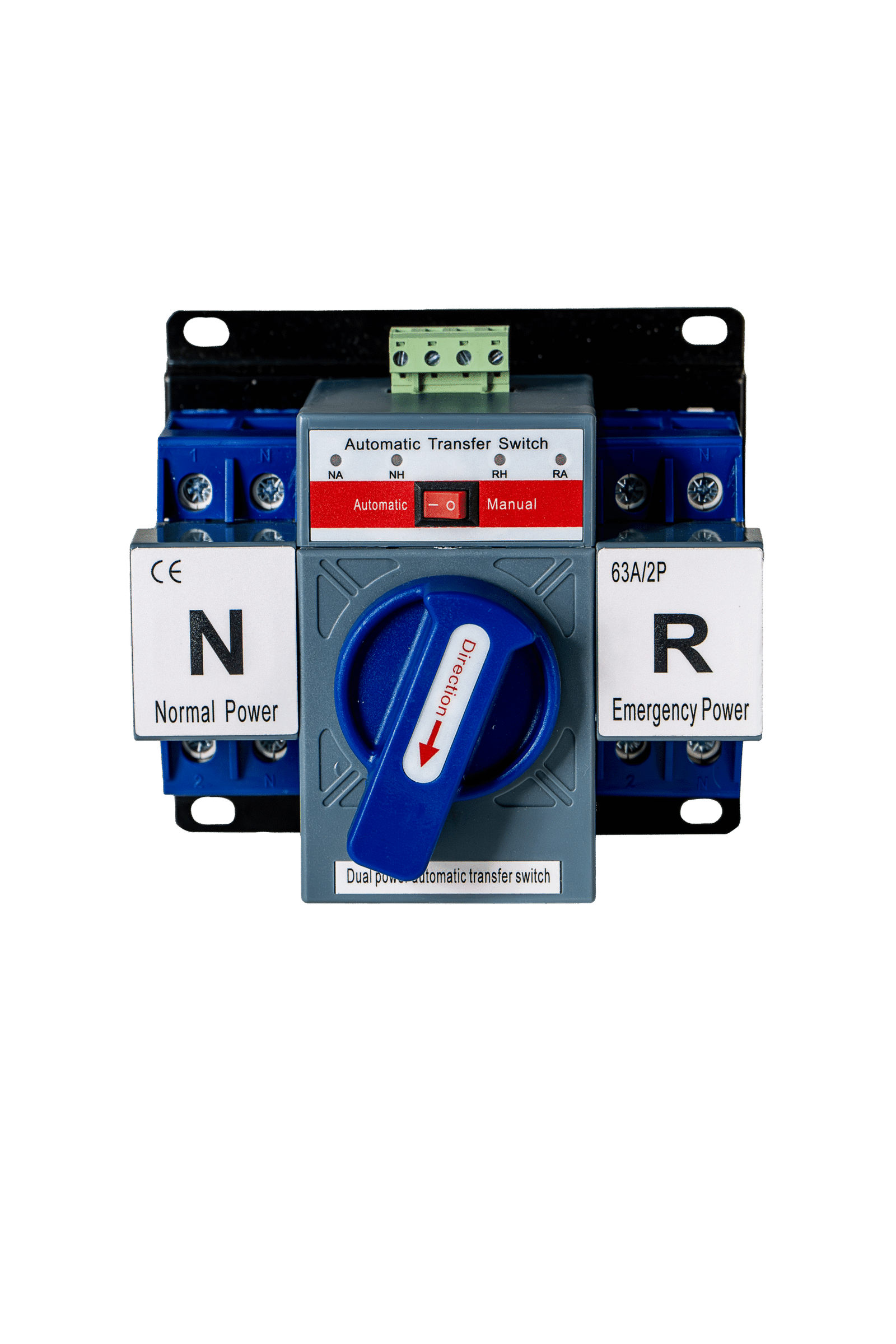
Introduction
Electrical control systems form the invisible nervous system of modern industry, governing the behavior of machinery, processes, and infrastructure with precision and reliability. From the simplest motor starter to the most complex distributed control system spanning an entire factory, these systems translate human intent into machine action through the intelligent management of electrical power and signals. As industries push toward greater automation, efficiency, and connectivity, understanding electrical control systems becomes essential for engineers, technicians, and decision-makers alike.
What Are Electrical Control Systems?
At their core, electrical control systems are networks of electrical components that manage, regulate, and protect equipment and processes. They receive input signals—from sensors, operators, or other systems—process this information according to predefined logic, and produce output commands that control actuators, motors, valves, and other industrial equipment.
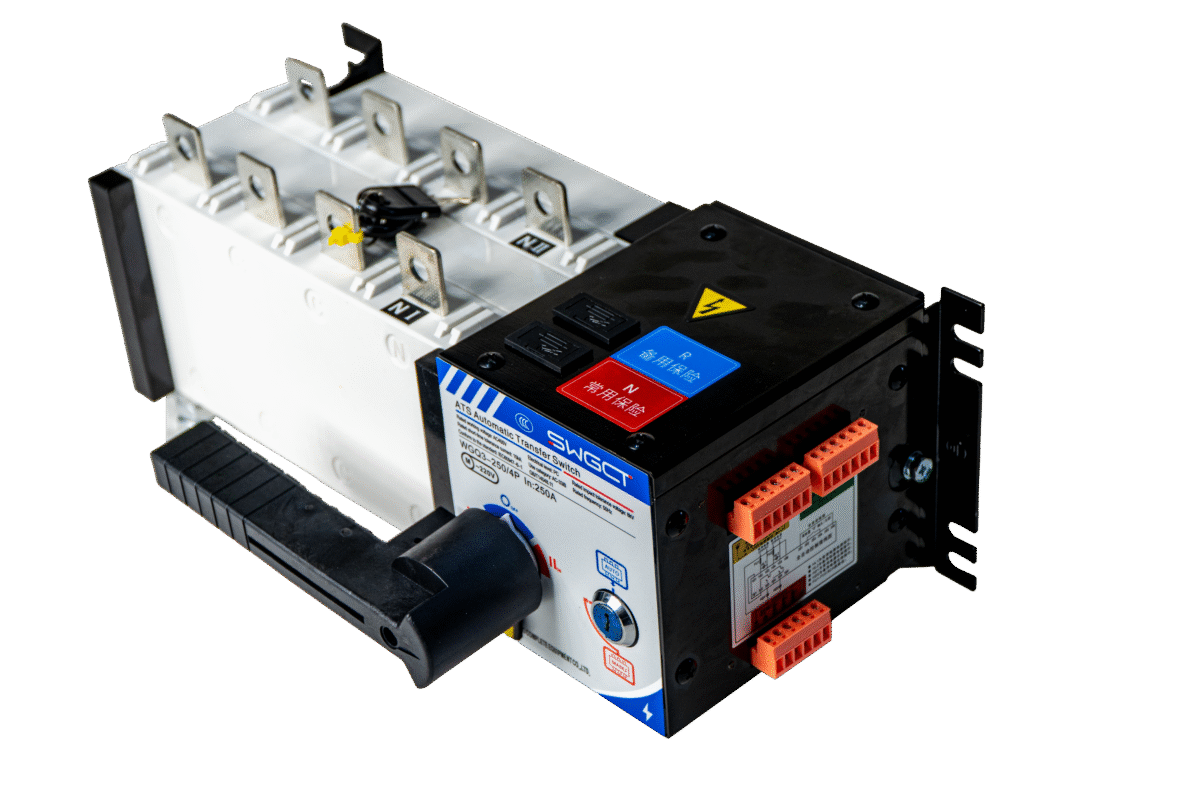
Fundamental Components
Every electrical control system, regardless of complexity, comprises several essential elements:
- Input Devices: Sensors, push buttons, limit switches, and proximity detectors that gather information about the system’s state
- Controllers: The “brain” of the system—relays, programmable logic controllers (PLCs), or industrial computers that process inputs and execute control logic
- Output Devices: Contactors, motor starters, solenoid valves, and indicators that carry out control actions
- Power Supply: Transformers, power supplies, and distribution equipment providing appropriate voltage and current
- Communication Networks: Wired or wireless connections enabling data exchange between components
- Human-Machine Interface (HMI): Touchscreens, panels, and software allowing operator interaction
Types of Electrical Control Systems
Discrete Control Systems
These systems manage equipment with distinct states—on/off, open/closed, high/low. Examples include motor starters, conveyor controls, and packaging machinery. Traditionally implemented with relays and timers, modern discrete control increasingly relies on PLCs for flexibility and reliability.
Process Control Systems
Continuous processes like chemical manufacturing, water treatment, and power generation require regulation of variables such as temperature, pressure, flow, and level. These systems employ PID (Proportional-Integral-Derivative) control algorithms to maintain setpoints with minimal deviation.
Motion Control Systems
Precise positioning and velocity control define motion control applications, from CNC machines to robotics. Servo drives, stepper motors, and specialized controllers orchestrate complex movement profiles with sub-micron accuracy.
SCADA Systems
Supervisory Control and Data Acquisition (SCADA) systems provide centralized monitoring and control of geographically distributed assets—pipelines, electrical grids, water networks—enabling operators to manage entire infrastructures from single control rooms.
Modern Trends Shaping Electrical Control Systems
The Industrial Internet of Things (IIoT)
Connectivity has transformed control systems from isolated islands into nodes on vast information networks. Smart sensors, edge computing, and cloud integration enable unprecedented data collection, analysis, and optimization.
Digital Twin Technology
Virtual replicas of physical systems allow engineers to simulate, test, and optimize control strategies before implementation, reducing risk and accelerating development.
Cybersecurity Integration
As control systems connect to enterprise networks and the internet, security becomes paramount. Modern designs incorporate defense-in-depth strategies, network segmentation, and continuous monitoring.
Energy Efficiency
Intelligent control systems optimize energy consumption through variable speed drives, demand response, and predictive algorithms, reducing operational costs and environmental impact.
Applications Across Industries
- Manufacturing: Assembly lines, robotic workcells, material handling
- Building Automation: HVAC, lighting, access control, elevators
- Infrastructure: Water treatment, power distribution, transportation systems
- Energy: Renewable integration, grid management, battery storage
- Food and Beverage: Batch processing, packaging, quality control
Conclusion
Electrical control systems continue to evolve at the intersection of power engineering, computer science, and communications technology. Their proper design, implementation, and maintenance determine industrial productivity, product quality, and operational safety. As automation and intelligence permeate every sector, the importance of robust, flexible, and secure control systems will only grow.


