



What Is a Circuit Breaker? A Complete Guide to Electrical Safety and Protection

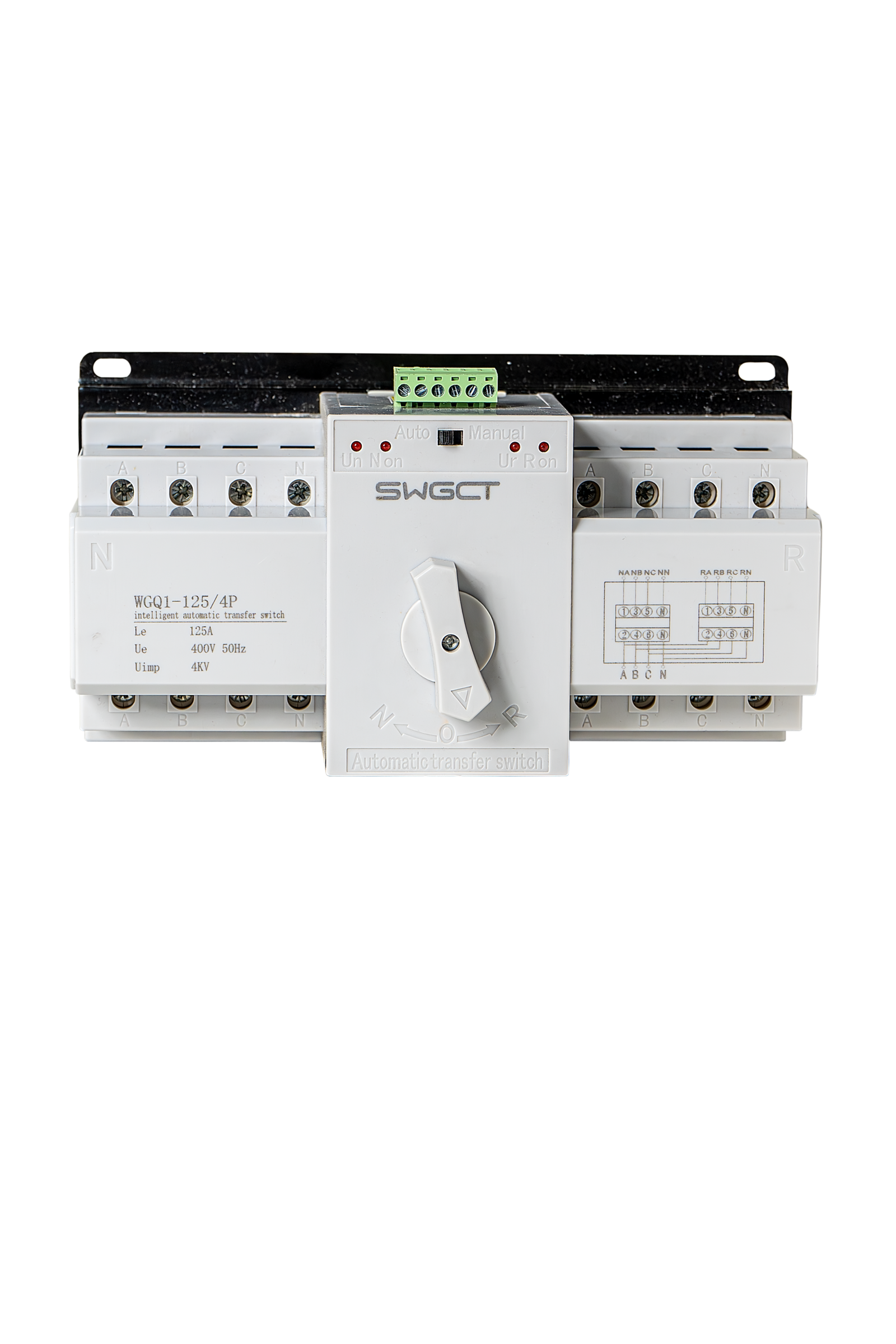
Electricity powers nearly every aspect of modern life—from lighting our homes to running industrial machinery. But with great power comes great responsibility. Electrical faults like overloads and short circuits can lead to fires, equipment damage, or even fatalities if not managed properly. That’s where circuit breakers come in.
In this comprehensive guide, we’ll explore exactly what a circuit breaker is, how it works, its types, components, applications, advantages over fuses, and essential maintenance tips. Whether you’re an electrician, engineer, homeowner, or student, understanding circuit breakers is crucial for electrical safety and system reliability.
What Is a Circuit Breaker?
A circuit breaker is an automatically operated electrical switch designed to protect an electrical circuit from damage caused by excess current due to overloads or short circuits. Unlike a fuse—which must be replaced after a fault—a circuit breaker can be reset (either manually or automatically) to resume normal operation once the issue is resolved.
Circuit breakers are essential safety devices installed in residential, commercial, and industrial electrical panels worldwide. They interrupt current flow when they detect abnormal conditions, preventing overheating, insulation breakdown, and potential fires.
How Does a Circuit Breaker Work?
At its core, a circuit breaker operates based on electromagnetic and thermal principles to detect faults and disconnect power. Here’s a step-by-step breakdown of its working mechanism:
1. Normal Operation
Under regular conditions, electricity flows freely through the breaker’s contacts. These contacts remain closed, allowing current to power connected devices.
2. Fault Detection
When too much current flows through the circuit—due to overloading or a short circuit—two mechanisms activate:
- Thermal Mechanism: A bimetallic strip bends as it heats up due to excessive current. Once it bends beyond a threshold, it triggers the trip lever.
- Magnetic Mechanism: An electromagnet generates a magnetic force proportional to current flow. During a short circuit (very high current surge), this force rapidly pulls a plunger, releasing the latch and opening the contacts.
3. Circuit Interruption
Once triggered, the breaker opens its contacts, stopping current flow and isolating the faulty circuit. This protects wiring, appliances, and prevents fire hazards.
4. Resetting
After correcting the fault (e.g., unplugging overloaded devices), the user can manually reset the breaker by flipping the switch back to the “ON” position. Some advanced breakers reset automatically after cooling down.
Key Components of a Circuit Breaker
Understanding the internal structure helps clarify how circuit breakers function:
| Component | Function |
|---|---|
| Contacts | Conductive metal pieces that open/close to allow or stop current flow. |
| Operating Mechanism | Spring-loaded lever system that opens contacts during a fault. |
| Trip Unit | Contains thermal (bimetal) and magnetic sensors to detect faults. |
| Arc Chute | Extinguishes electric arcs formed when contacts separate during tripping. |
| Terminal Blocks | Connect incoming and outgoing wires securely. |
| Case/Housing | Insulating enclosure made of plastic or metal to prevent accidental contact. |
Types of Circuit Breakers
Circuit breakers vary in design and application. Here are the main categories:
1. By Voltage Rating
- Low-Voltage Circuit Breakers (<1,000V AC): Used in homes, offices, and small businesses. Examples include miniature circuit breakers (MCBs) and molded case circuit breakers (MCCBs).
- Medium-Voltage Circuit Breakers (1kV–72.5kV): Found in distribution networks, factories, and utility substations.
- High-Voltage Circuit Breakers (>72.5kV): Used in power generation plants, transmission lines, and grid protection.
2. By Application
- Residential Breakers: Protect individual branch circuits (lighting, outlets, HVAC). Common ratings: 15A, 20A, 30A.
- Commercial Breakers: Handle higher loads in offices, retail stores, and schools. Often use MCCBs.
- Industrial Breakers: Designed for heavy machinery, motors, and three-phase systems. May include ground fault protection.
3. By Technology
- Thermal-Magnetic Breakers: Combine bimetal and electromagnetic tripping. Most common in homes.
- Electronic (Microprocessor-Based) Breakers: Offer advanced features like ground fault detection, arc-fault protection, and communication capabilities.
- SF₆ Gas Breakers: Use sulfur hexafluoride gas to quench arcs in high-voltage systems.
- Vacuum Breakers: Use vacuum interrupters to suppress arcs; ideal for medium-voltage applications.
Common Circuit Breaker Ratings Explained
Choosing the correct breaker requires understanding key specifications:
- Ampere Rating: Maximum continuous current the breaker can carry without tripping (e.g., 15A, 50A).
- Voltage Rating: Indicates compatibility with AC or DC systems (e.g., 120/240V AC).
- Interrupting Capacity: Maximum fault current the breaker can safely interrupt (measured in kAIC—kiloamperes interrupting capacity).
- Poles: Number of conductors controlled (single-pole for 120V circuits; double-pole for 240V appliances like dryers).
Advantages of Circuit Breakers Over Fuses
While fuses have been used historically, circuit breakers offer several clear benefits:
✅ Resettable: No need for replacement after tripping—just reset and restore power.
✅ Faster Response: Magnetic tripping reacts almost instantly to short circuits.
✅ Enhanced Safety: Built-in arc suppression reduces fire risk during interruption.
✅ Diagnostic Features: Modern breakers log trips and may indicate fault causes.
✅ Scalability: Easier to upgrade panels with higher-capacity breakers.
Where Are Circuit Breakers Used?
Circuit breakers are found in virtually all electrified environments:
- Homes & Apartments: Panelboards with MCBs protect lighting, kitchen appliances, and HVAC systems.
- Offices & Schools: Power distribution units (PDUs) with multiple breakers manage computer networks, projectors, and HVAC.
- Factories & Warehouses: Motor control centers (MCCs) use MCCBs and air circuit breakers (ACBs) to safeguard production lines.
- Data Centers: High-reliability breakers with remote monitoring prevent downtime.
- Renewable Energy Systems: Solar inverters and wind turbines use specialized DC and hybrid breakers.
- Transportation: Trains, ships, and aircraft employ ruggedized breakers for onboard power systems.
How to Select the Right Circuit Breaker
To ensure optimal protection, follow these steps:
- Calculate Load Current Sum up the wattage of all devices on the circuit and divide by voltage (Watts ÷ Volts = Amps). Add a 25% safety margin.
- Match Voltage and Poles Residential 120V circuits need single-pole breakers; 240V appliances require double-pole.
- Consider Interrupting Capacity For home use, 10kAIC is standard. Industrial systems may need 65kAIC or higher.
- Choose Type Based on Environment
- Damp locations: Use water-resistant or sealed breakers.
- High-vibration areas: Opt for shockproof designs.
- Comply with Codes Follow NEC (National Electrical Code), IEC, or local regulations.
Maintenance and Safety Tips
Even the best circuit breaker won’t last forever. Perform these checks regularly:
🔧 Inspect Annually: Look for burn marks, loose connections, or corrosion.
🧪 Test Tripping Function: Use a circuit breaker tester to verify proper operation.
🌡️ Monitor Temperature: Hot breakers may indicate overload or poor connections.
🚫 Avoid Shared Neutrals: Prevents imbalanced currents that can trip breakers unexpectedly.
👷 Call Professionals: Never modify breakers unless you are a licensed electrician.
Future Trends in Circuit Breaker Technology
The next generation of circuit protection is smarter and more efficient:
- Smart Breakers with IoT Integration: Remotely monitor power usage, receive alerts, and control circuits via apps.
- AI-Powered Diagnostics: Predict failures by analyzing trip patterns and environmental data.
- Solid-State Breakers: Use semiconductors instead of mechanical parts for near-instant response.
- Energy Harvesting: Self-powered breakers that draw energy from the line to reduce maintenance.
- Eco-Friendly Designs: Phasing out SF₆ gas in favor of vacuum or clean-air technologies.
Conclusion
A circuit breaker is far more than just a switch in your electrical panel—it’s a critical defense against electrical hazards. By automatically cutting off power during overloads or short circuits, it protects lives, property, and equipment.
Whether you’re upgrading a home panel, designing an industrial system, or simply learning the basics, understanding what a circuit breaker is and how it functions empowers you to make safer, more informed decisions.
As technology advances, circuit breakers will become even smarter, offering real-time monitoring, predictive maintenance, and greater energy efficiency. But their core mission will remain the same: to keep the power flowing safely.


