



Isolator Switch: 15 Essential Facts for Safe and Reliable Electrical Isolation


| Heading Level | Topic |
|---|---|
| H1 | Isolator Switch: 15 Essential Facts for Safe Electrical Isolation |
| H2 | Introduction to Isolator Switch |
| H3 | What is an Isolator Switch |
| H3 | Why Electrical Isolation Matters |
| H2 | How an Isolator Switch Works |
| H3 | Basic Operating Principle |
| H3 | Difference Between Isolation and Switching |
| H2 | Types of Isolator Switch |
| H3 | Single Break Isolator |
| H3 | Double Break Isolator |
| H3 | Pantograph Isolator |
| H2 | Key Components of an Isolator Switch |
| H3 | Contacts and Insulators |
| H3 | Operating Mechanism |
| H2 | Applications of Isolator Switch |
| H3 | Industrial Systems |
| H3 | Power Distribution |
| H3 | Renewable Energy Systems |
| H2 | Advantages of Using Isolator Switch |
| H3 | Safety Enhancement |
| H3 | Maintenance Convenience |
| H2 | Limitations of Isolator Switch |
| H3 | No Load Switching |
| H3 | Manual Operation Requirement |
| H2 | Isolator Switch vs Circuit Breaker |
| H3 | Key Differences |
| H3 | When to Use Each |
| H2 | Installation and Maintenance Tips |
| H3 | Proper Installation |
| H3 | Routine Inspection |
| H2 | Future Trends in Isolator Switch |
| H3 | Smart Isolation Systems |
| H3 | Integration with IoT |
| H2 | Buying Guide for Isolator Switch |
| H3 | Key Features to Consider |
| H3 | Choosing the Right Model |
| H2 | FAQs |
| H2 | Conclusion |
Introduction to Isolator Switch
An Isolator Switch is a mechanical device used to ensure that an electrical circuit is completely de-energized for maintenance or servicing. Unlike other switching devices, it is designed to operate only when no current is flowing, making it a critical safety component in electrical systems.
The Isolator Switch plays a vital role in protecting technicians and equipment by providing visible and reliable isolation from power sources. It is widely used in industrial plants, power stations, and renewable energy systems.
How an Isolator Switch Works
Basic Operating Principle
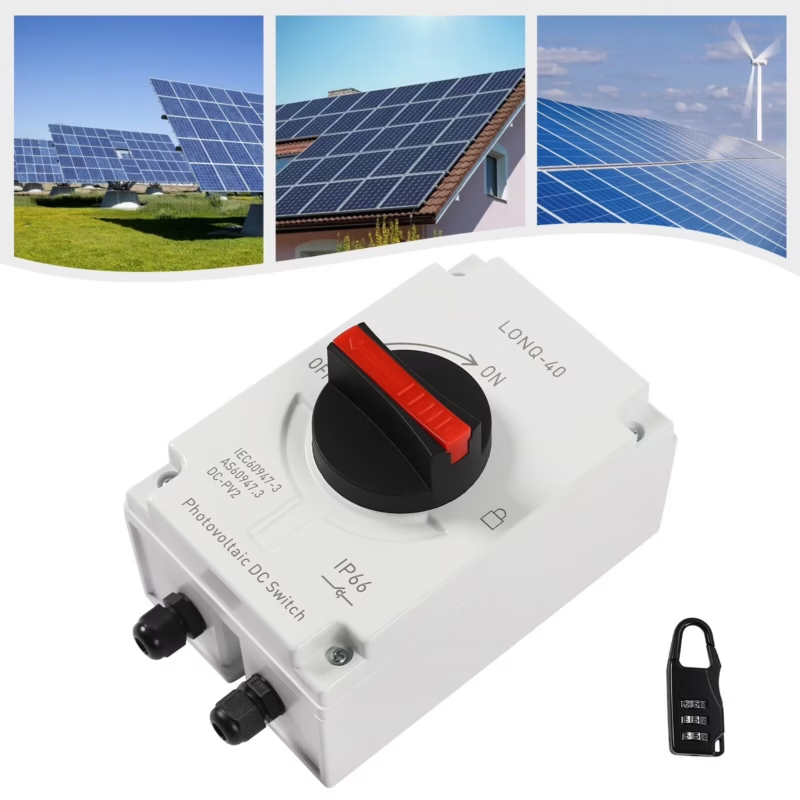
An Isolator Switch works by physically separating electrical contacts to break the circuit. When opened, it creates a visible gap that ensures no current can pass through.
This visible disconnection is important because it provides confirmation that the circuit is safe to work on.
Difference Between Isolation and Switching
- Isolation: Ensures zero current flow
- Switching: Controls current flow under load
An Isolator Switch is strictly for isolation, not for interrupting active current.
Types of Isolator Switch
Single Break Isolator
This type has one break point per phase and is commonly used in simple systems.
Double Break Isolator
It provides two break points, improving safety and reliability.
Pantograph Isolator
Used in high-voltage systems, especially in substations, for vertical isolation.
Key Components of an Isolator Switch
Contacts and Insulators
Contacts conduct electricity, while insulators prevent leakage and ensure safety.
Operating Mechanism
The mechanism allows manual or motorized operation of the Isolator Switch.
Applications of Isolator Switch
Industrial Systems
Used to isolate machinery during maintenance.
Power Distribution
Ensures safe operation of substations and grid systems.
Renewable Energy Systems
Common in solar and wind installations for safe disconnection.
Advantages of Using Isolator Switch
Safety Enhancement
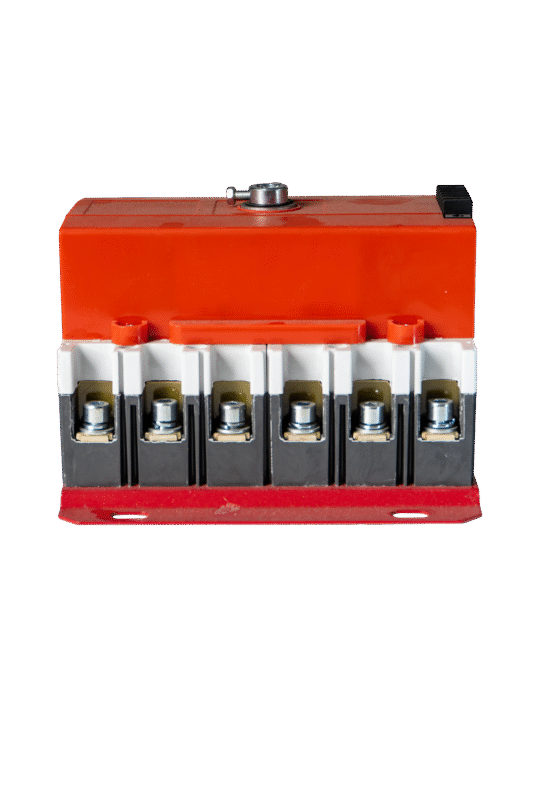
Provides a clear and visible disconnection, reducing risk.
Maintenance Convenience
Allows safe inspection and repair of electrical systems.
Limitations of Isolator Switch
No Load Switching
An Isolator Switch cannot interrupt current under load conditions.
Manual Operation Requirement
Many isolators require manual handling, which may not be ideal in all situations.
Isolator Switch vs Circuit Breaker
Key Differences
| Feature | Isolator Switch | Circuit Breaker |
|---|---|---|
| Function | Isolation only | Protection + switching |
| Load Handling | No | Yes |
| Safety | High (visible gap) | High (automatic trip) |
When to Use Each
Use an Isolator Switch for maintenance safety and a circuit breaker for protection and control.
Installation and Maintenance Tips
Proper Installation
Install the device in accessible locations and ensure correct wiring.
Routine Inspection
Regular checks help maintain performance and safety.
Future Trends in Isolator Switch
Smart Isolation Systems
Integration with monitoring systems for better control.
Integration with IoT
Remote operation and diagnostics are becoming more common.
Buying Guide for Isolator Switch
Key Features to Consider
- Voltage rating
- Current capacity
- Build quality
- Safety certifications
Choosing the Right Model
Select based on application requirements and environment conditions.
For international electrical standards, refer to
👉 https://www.iec.ch/
Internal Resources
Explore related electrical components:
👉 https://swgct.net/
👉 https://swgct.net/?s=Isolator+Switch&post_type=product&product_cat=0
FAQs
1. What is an Isolator Switch used for?
It is used to isolate electrical circuits for safe maintenance.
2. Can an Isolator Switch break current?
No, it should only operate when no current is flowing.
3. Where is it commonly used?
In substations, industries, and renewable systems.
4. Is it different from a circuit breaker?
Yes, it does not provide protection—only isolation.
5. Is maintenance required?
Yes, regular inspection is recommended.
6. Is it safe for high voltage systems?
Yes, specially designed isolators are used for high voltage.
Conclusion
An Isolator Switch is a fundamental component in electrical safety systems. It ensures complete disconnection of circuits, protects maintenance personnel, and enhances system reliability.
Whether in industrial plants or renewable energy setups, using a properly selected Isolator Switch is essential for safe and efficient electrical operations.


