



Molded Case Circuit Breaker (MCCB): A Comprehensive Guide to Reliable Electrical Protection

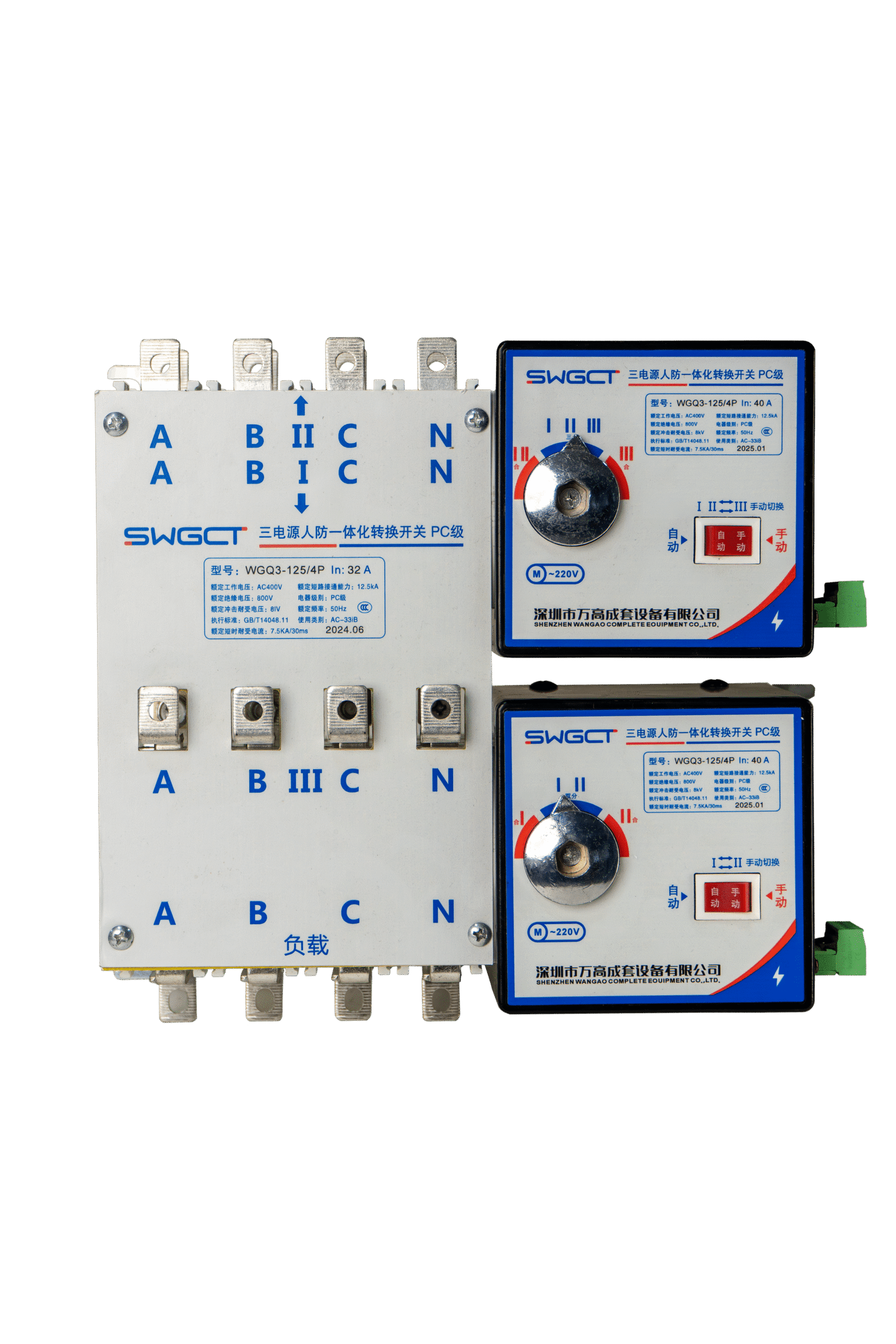
In modern electrical distribution systems, safeguarding equipment and personnel from overloads, short circuits, and faults is essential. Among the most versatile and widely used protective devices is the Molded Case Circuit Breaker (MCCB). Combining robust construction, adjustable trip settings, and high interrupting capacity, MCCBs are indispensable in industrial, commercial, and utility applications.
In this detailed, SEO-optimized article, we’ll explore what an MCCB is, how it works, its components, advantages, applications, selection criteria, and future trends.
What Is a Molded Case Circuit Breaker (MCCB)?
A Molded Case Circuit Breaker is an automatically operated electrical switch designed to protect circuits from damage caused by overloads or short circuits. Unlike miniature circuit breakers (MCBs), which are typically used for low-current residential applications, MCCBs handle higher current ratings—generally from 15 amps to 2,500 amps—and are suitable for up to 1,000 volts AC.
The term “molded case” refers to the one-piece, thermoset plastic housing that encases the internal components, providing mechanical strength, electrical insulation, and environmental protection.
How Does an MCCB Work?
The operation of an MCCB involves two primary protection mechanisms:
1. Thermal Protection (Overload)
- A bimetallic strip heats up when current exceeds the rated value for an extended period.
- The strip bends gradually and eventually triggers the trip mechanism, opening the contacts.
2. Magnetic Protection (Short Circuit)
- An electromagnet generates a magnetic force proportional to current flow.
- During a short circuit (extremely high current), the magnetic force instantly releases the latch, separating the contacts.
Some MCCBs also feature electronic trip units that combine thermal, magnetic, and customizable protection logic for enhanced precision.
Key Components of an MCCB
| Component | Function |
|---|---|
| Molded Case Housing | Thermoset plastic enclosure providing insulation and mechanical protection. |
| Operating Mechanism | Spring-loaded lever system that opens/closes contacts rapidly. |
| Contacts | Made of copper or silver alloy; carry current and withstand arcing. |
| Trip Unit | Contains thermal (bimetal) and magnetic sensors; may be electronic. |
| Arc Chute | Extinguishes electric arc during interruption. |
| Terminals | Connect incoming and outgoing conductors. |
| Adjustment Dials | Allow setting current thresholds and time delays (in adjustable models). |
Advantages of Molded Case Circuit Breakers
1. High Current Ratings
Suitable for heavy-duty applications up to 2,500 A, unlike MCBs.
2. Adjustable Trip Settings
Customize protection for specific load characteristics.
3. Robust Construction
Molded case resists impact, heat, and chemical exposure.
4. High Interrupting Capacity
Can safely interrupt fault currents up to 200 kA in some models.
5. Versatility
Available in fixed, draw-out, and accessory-equipped versions.
6. Safety
Fully enclosed design prevents accidental contact with live parts.
7. Long Service Life
Mechanical endurance of up to 20,000 operations or more.
Limitations of MCCBs
- Larger Size – Bulkier than MCBs, requiring more panel space.
- Higher Cost – More expensive than miniature breakers for equivalent ratings.
- Complexity – Electronic trip units require calibration and expertise.
- Limited Voltage Range – Mostly used below 1,000 V AC; not suitable for high-voltage transmission.
Comparison: MCCB vs. MCB vs. ACB
| Feature | Molded Case Circuit Breaker (MCCB) | Miniature Circuit Breaker (MCB) | Air Circuit Breaker (ACB) |
|---|---|---|---|
| Current Rating | 15–2,500 A | 0.5–125 A | Up to 6,300 A |
| Voltage Rating | Up to 1,000 V AC | Up to 440 V AC | Up to 38 kV |
| Trip Mechanism | Thermal-magnetic or electronic | Thermal-magnetic | Thermal-magnetic/electronic |
| Interrupting Capacity | Up to 200 kA | Up to 25 kA | Up to 150 kA |
| Size | Medium | Small | Large |
| Application | Industrial, commercial | Residential, light commercial | Heavy industrial |
| Adjustability | Yes | No | Yes |
Applications of MCCBs
- Industrial Motor Control – Protect motors from overload and phase failure.
- Distribution Boards – Serve as main or feeder breakers in commercial buildings.
- Renewable Energy Systems – Protect inverter outputs and battery storage circuits.
- Data Centers – Ensure uptime by preventing faults in critical power paths.
- Marine and Offshore – Rugged design suits harsh environments.
- Railway Systems – Protect traction power supplies and auxiliary circuits.
How to Choose the Right MCCB
- Rated Current Match the breaker’s nominal current to your load requirements.
- Voltage Rating Ensure compatibility with system voltage and frequency.
- Interrupting Capacity Select a breaker with adequate short-circuit withstand capability.
- Trip Unit Type Choose thermal-magnetic for simplicity or electronic for precision and communication.
- Number of Poles Single-pole for 120V circuits; two-, three-, or four-pole for multi-phase systems.
- Certifications Verify compliance with IEC 60947-2, UL 489, or regional standards.
Maintenance Tips for MCCBs
- Regular Inspection – Check for loose terminals, corrosion, or burnt odors.
- Trip Testing – Simulate overloads and short circuits to verify functionality.
- Lubrication – Keep moving parts in the operating mechanism lightly lubricated.
- Cleaning – Remove dust and contaminants from the housing and vents.
- Documentation – Record test results and maintenance activities for audits.
Future Trends in MCCB Technology
- Smart MCCBs – Integrated IoT sensors for remote monitoring and diagnostics.
- Predictive Maintenance – AI analyzes trip patterns to foresee failures.
- Eco-Friendly Materials – Use of recyclable plastics and halogen-free insulation.
- Enhanced Communication – Protocols like Modbus, BACnet, or IEC 61850 for seamless integration.
- Compact Designs – Smaller footprints without sacrificing performance.
Conclusion
The Molded Case Circuit Breaker is a cornerstone of reliable electrical protection for medium- and high-current applications. Its rugged construction, adjustable trip settings, and high interrupting capacity make it ideal for industrial plants, commercial buildings, and critical infrastructure.
As technology advances, MCCBs are evolving into smarter, more connected devices—delivering not only protection but also actionable insights for optimizing electrical systems. For engineers and facility managers seeking a proven, versatile solution for circuit safeguarding, the MCCB remains a top choice.


