



RCBO Switch: What It Is, How It Works, and Why Electrical Safety Matters

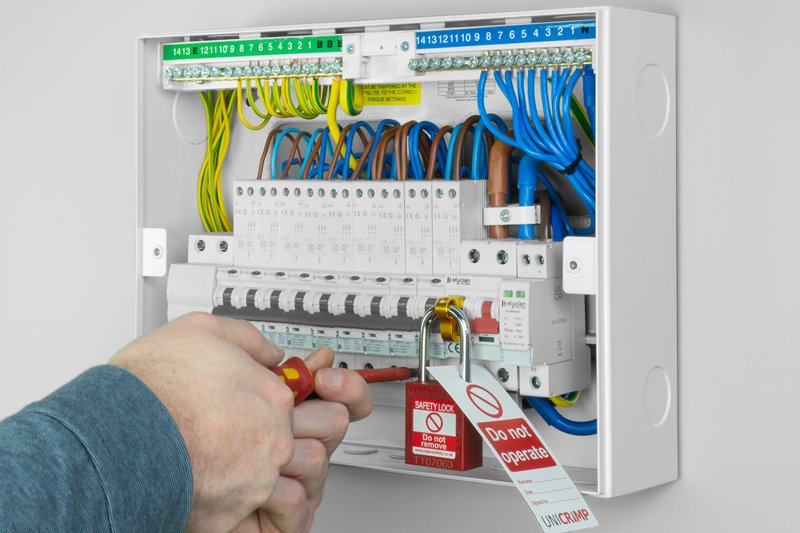
An RCBO switch is a critical electrical protection device designed to improve safety and reliability in modern power distribution systems. By combining multiple protection functions into one compact unit, an RCBO switch helps prevent electrical hazards such as overloads, short circuits, and earth leakage faults. As electrical safety standards continue to rise worldwide, RCBO switches are increasingly used in residential, commercial, and industrial applications.
What Is an RCBO Switch?
An RCBO switch, short for Residual Current Breaker with Overcurrent protection, is an advanced circuit protection device. It integrates the functions of an MCB (Miniature Circuit Breaker) and an RCD (Residual Current Device) into a single unit.
This combination allows an RCBO switch to:
- Protect against overload and short circuits
- Detect earth leakage currents
- Disconnect the circuit automatically when a fault occurs
Compared to traditional protection setups that use separate devices, an RCBO switch offers more comprehensive and efficient protection.
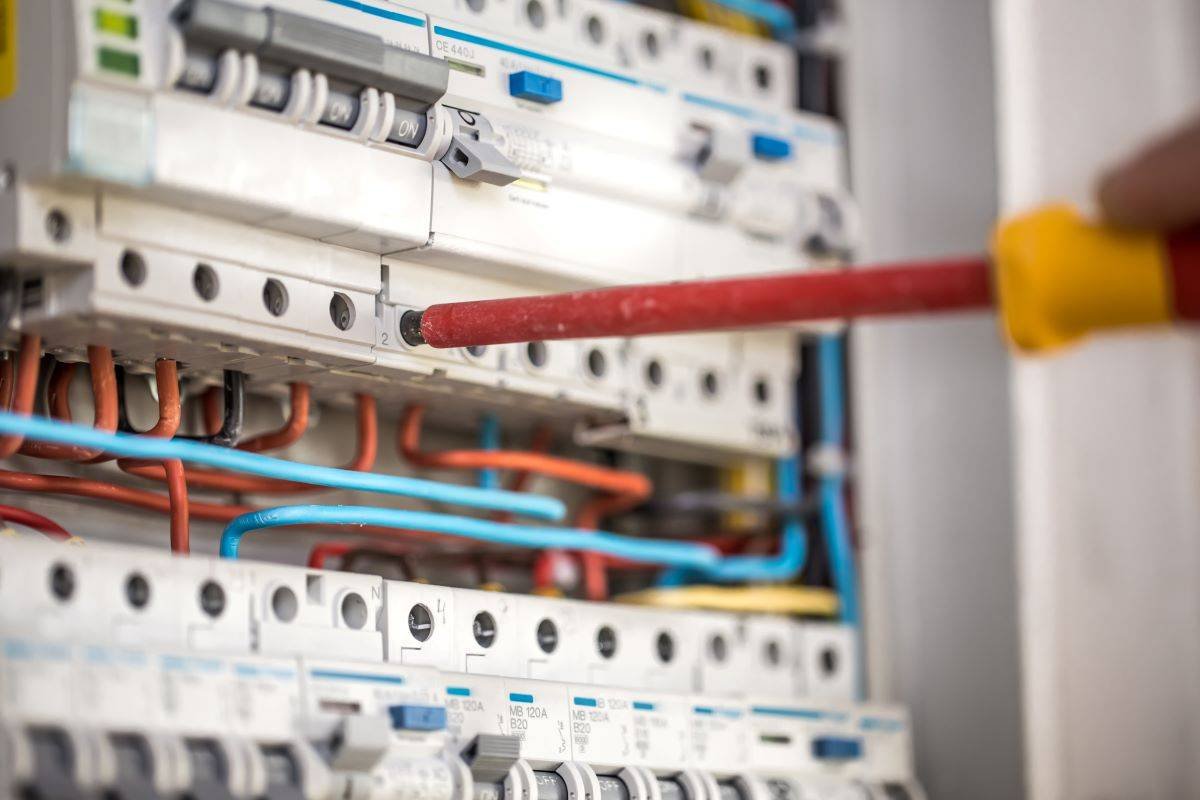
How Does an RCBO Switch Work?
An RCBO switch continuously monitors the electrical current flowing through a circuit. Under normal conditions, the current flowing in the live and neutral conductors is balanced. When a fault occurs—such as insulation failure or accidental contact with a live wire—an imbalance is detected.
When this imbalance exceeds the preset safety threshold, the RCBO switch trips instantly and disconnects the power supply. At the same time, it also reacts to overcurrent and short-circuit conditions, ensuring complete circuit protection.
This fast response helps minimize the risk of electric shock, fire, and equipment damage.
Key Benefits of Using an RCBO Switch
1. Enhanced Electrical Safety
An RCBO switch provides protection against both residual current and overcurrent, significantly reducing the risk of electric shock and electrical fires.
2. Space-Saving Design
By combining two protection functions into one device, an RCBO switch reduces panel space requirements and simplifies wiring.
3. Improved Fault Isolation
When a fault occurs, only the affected circuit is disconnected, rather than shutting down the entire distribution board.
4. Compliance with Safety Standards
RCBO switches are widely used to meet modern electrical codes and safety regulations in many countries.
Applications of RCBO Switches
RCBO switches are suitable for a wide range of applications, including:
- Residential distribution boards
- Commercial buildings and offices
- Industrial control panels
- Data centers and IT facilities
- Public infrastructure and utilities
In residential settings, RCBO switches enhance personal safety. In commercial and industrial environments, they help protect sensitive equipment and ensure system reliability.
RCBO Switch vs MCB and RCD
Unlike an MCB, which only protects against overcurrent, or an RCD, which only detects earth leakage, an RCBO switch provides combined protection in one device. This makes it a preferred solution where higher safety and operational continuity are required.
Using RCBO switches also simplifies troubleshooting, as faults are isolated at the circuit level.
How to Choose the Right RCBO Switch
When selecting an RCBO switch, consider the following factors:
- Rated current and breaking capacity
- Tripping characteristics
- Sensitivity to earth leakage current
- Number of poles and system type
- Compliance with international standards
Choosing the correct RCBO switch ensures reliable protection and long-term performance.


