


Load Break Switch: Essential Guide to Safe and Efficient Power Control


Introduction
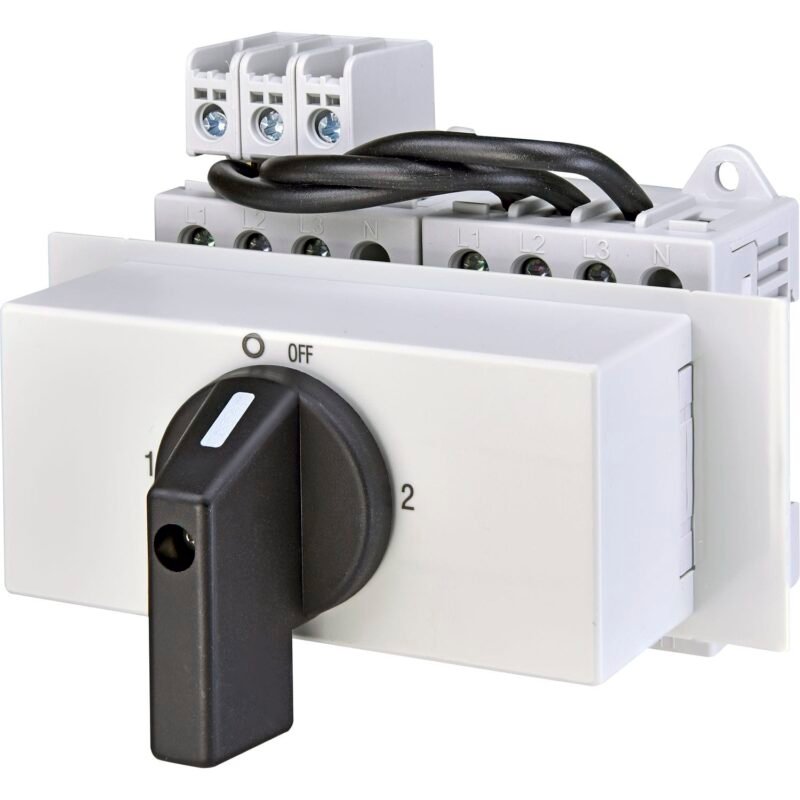
A Load Break Switch is a vital electrical device used to safely interrupt and control the flow of electricity under load conditions. Unlike basic isolators, it is specifically designed to disconnect circuits while current is still flowing, making it essential for modern power distribution systems.
By using a Load Break Switch, industries and utilities can ensure safe operation, reduce electrical hazards, and maintain system reliability.
Understanding Electrical Switching Basics
Electrical systems require reliable methods to control current flow. Switching devices are used to:
- Turn circuits on or off
- Isolate faulty sections
- Maintain safety during maintenance
A properly designed switching device helps prevent arc formation and equipment damage.
How a Load Break Switch Works
A Load Break Switch is engineered to interrupt current safely without causing damage to the system.
Arc Interruption Mechanism
When the switch opens, an electrical arc forms. The device uses special techniques (such as air, gas, or vacuum) to extinguish the arc quickly.
Safe Disconnection Process
The system ensures that current is interrupted in a controlled manner, preventing hazards and protecting connected equipment.
Types of Switching Devices Used in Power Systems
Different configurations are available depending on application and voltage level.
Air Insulated Switches
Use air as the insulating medium. Common in medium-voltage systems.
Gas Insulated Switches
Use gases like SF6 for better arc suppression and compact design.
Vacuum Switches
Offer excellent arc quenching and longer lifespan.
Key Components Inside a Load Break Switch
A Load Break Switch typically includes:
- Contacts (fixed and moving)
- Arc extinguishing chamber
- Operating mechanism
- Insulating materials
Each component plays a critical role in ensuring safe and efficient switching.
Applications in Modern Power Systems
Industrial Power Distribution
Used to control and isolate electrical circuits in factories.
Utility Networks
Helps manage power flow in distribution grids.
Renewable Energy Systems
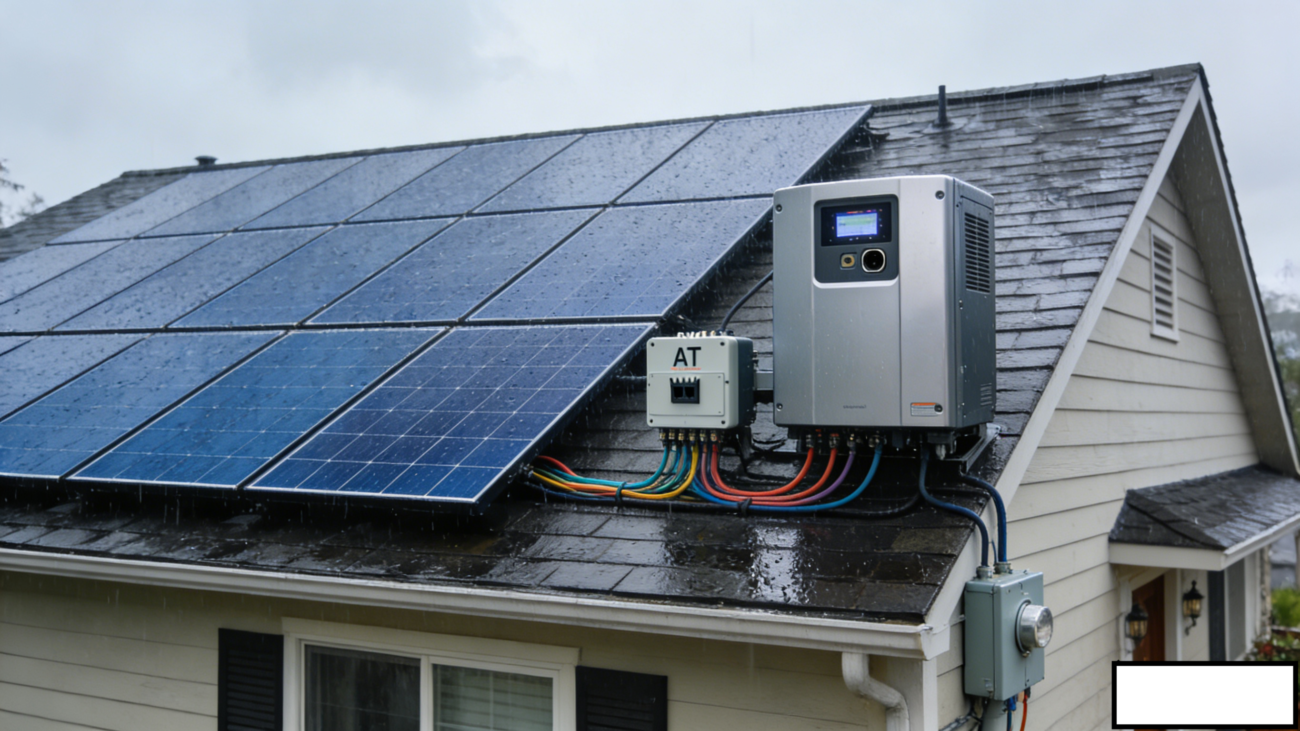
Used in solar and wind systems for safe disconnection.
Benefits of Using This Switching Device
Improved Safety
Reduces risk of electrical accidents during operation.
Operational Flexibility
Allows safe switching without shutting down the entire system.
Enhanced Reliability
Ensures stable and uninterrupted power distribution.
Limitations to Consider
Limited Breaking Capacity
Not suitable for interrupting very high fault currents.
Maintenance Requirements
Periodic inspection is needed to ensure proper functioning.
Comparison with Other Switching Devices
| Feature | Load Break Switch | Circuit Breaker |
|---|---|---|
| Function | Load switching | Fault protection |
| Cost | Lower | Higher |
| Application | Normal operation | Fault conditions |
Installation Best Practices
- Install in accessible locations
- Ensure proper insulation
- Follow manufacturer guidelines
Maintenance Guidelines
- Inspect contacts regularly
- Check for wear and tear
- Test switching performance
Future Trends in Switching Technology
Modern systems are evolving with:
- Smart monitoring
- Remote operation
- Integration with IoT systems
Buying Guide
When selecting a switching device, consider:
- Voltage rating
- Current capacity
- Environmental conditions
- Compliance with standards
FAQs
1. What is a Load Break Switch used for?
It is used to safely disconnect electrical circuits under load conditions.
2. How is it different from a circuit breaker?
It handles normal switching, while circuit breakers handle faults.
3. Can it interrupt fault currents?
No, it is not designed for high fault current interruption.
4. Where is it commonly used?
In industrial plants, utilities, and renewable energy systems.
5. Does it require maintenance?
Yes, regular inspection is recommended.
6. Is it safe to operate under load?
Yes, it is specifically designed for that purpose.
Conclusion
A Load Break Switch is an essential component in modern electrical systems, providing safe and efficient control of power flow. It enhances safety, improves system flexibility, and supports reliable operation across various applications.