


Miniature Circuit Breaker: Complete Guide to Electrical Safety and Protection


Introduction to Miniature Circuit Breaker Systems
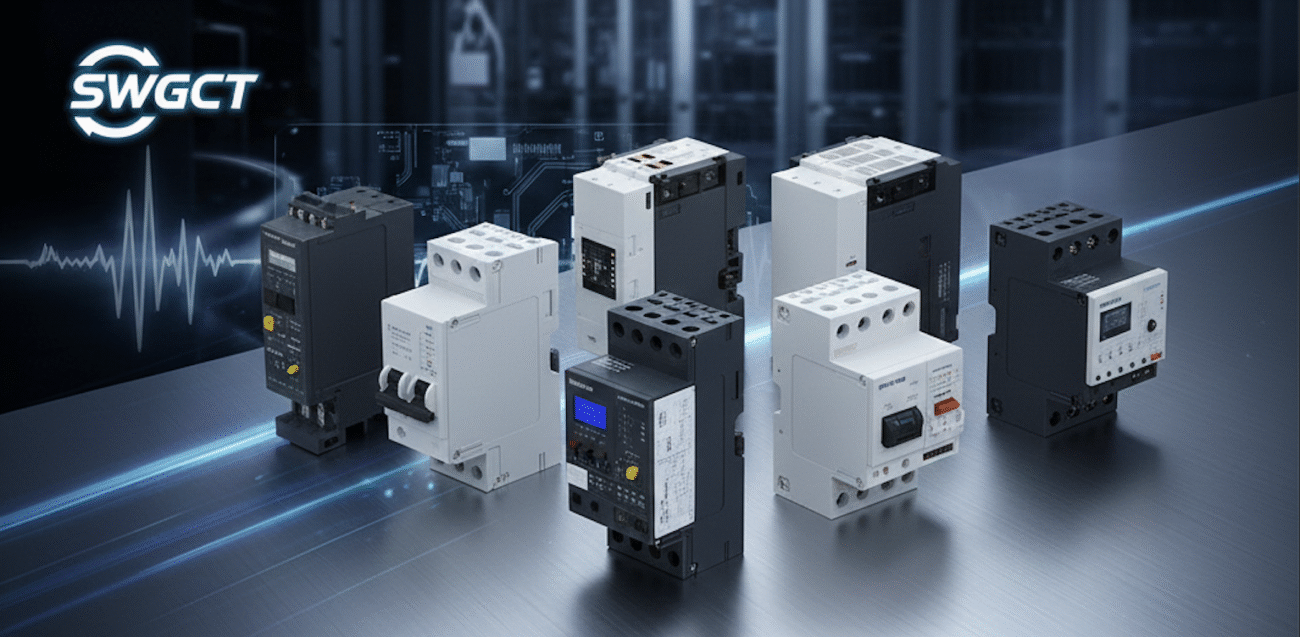
A miniature circuit breaker is an essential electrical protection device used in residential, commercial, and industrial systems. It automatically disconnects power when an overload or short circuit occurs, helping prevent electrical damage, equipment failure, and fire hazards. Unlike traditional fuses, a miniature circuit breaker can be reset and reused, making it a safer and more cost-effective solution for modern electrical systems.
Today, electrical networks rely heavily on reliable circuit protection devices to ensure uninterrupted operation and user safety. Whether installed in homes, offices, factories, or renewable energy systems, MCB breaker technology plays a critical role in maintaining stable power distribution.
To understand more about electrical safety systems, you can also visit these helpful resources:
👉 https://www.electrical4u.com/circuit-breaker/
👉 https://www.se.com/ww/en/work/products/explore/circuit-breakers/
For high-quality circuit protection products and industrial solutions, explore:
👉 https://swgct.net/product-category/
What Is a Miniature Circuit Breaker?
A miniature breaker is a small automatic switch designed to protect electrical circuits from excessive current flow. When the current exceeds the safe operating limit, the breaker trips and interrupts the circuit immediately.
Unlike fuses that must be replaced after operation, MCB breakers can simply be reset after the fault is corrected. This feature improves convenience and reduces maintenance costs.
Main Functions of an Electrical Circuit Breaker
- Prevent overload damage
- Protect against short circuits
- Improve electrical safety
- Reduce fire risks
- Ensure reliable power distribution
How a Miniature Circuit Breaker Works
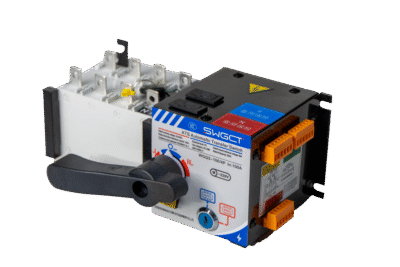
The operation of a low-voltage circuit breaker is based on thermal and magnetic tripping mechanisms.
Thermal Protection
When excessive current flows for an extended period, the internal bimetallic strip heats up and bends, causing the breaker to trip.
Magnetic Protection
During a short circuit, the magnetic mechanism reacts instantly and disconnects the circuit within milliseconds.
This dual-protection system makes miniature circuit breaker technology highly reliable for everyday electrical protection.
Types of Miniature Circuit Breakers
Different systems require different types of protection. The most common categories include:
Type B MCB
- Trips between 3–5 times rated current
- Ideal for residential lighting systems
Type C MCB
- Trips between 5–10 times rated current
- Commonly used in commercial applications
Type D MCB
- Trips between 10–20 times rated current
- Suitable for heavy industrial equipment
Each type is designed for specific load characteristics and operational conditions.
Advantages of Using a Miniature Circuit Breaker
Enhanced Electrical Safety
One of the biggest advantages of using an MCB breaker is improved safety. It quickly disconnects faulty circuits before major damage occurs.
Easy Reset Function
Unlike fuses, miniature breakers do not require replacement after tripping.
Low Maintenance
Modern electrical circuit breaker systems are durable and require very little maintenance.
Compact Design
Their small size allows easy installation in distribution boards and control panels.
Applications of Miniature Circuit Breaker Technology
Residential Buildings
Homes use miniature circuit breaker systems to protect lighting circuits, appliances, and outlets.
Commercial Facilities
Office buildings and shopping centers depend on low-voltage circuit breakers for safe electrical distribution.
Industrial Environments
Factories use advanced circuit protection devices to safeguard machinery and control systems.
Renewable Energy Systems
Solar and wind energy installations also rely on miniature breakers for stable operation.
Miniature Circuit Breaker vs Traditional Fuse
| Feature | Miniature Circuit Breaker | Traditional Fuse |
|---|---|---|
| Reusable | Yes | No |
| Response Time | Fast | Moderate |
| Maintenance | Low | High |
| Safety | High | Lower |
| Cost Efficiency | Better long-term | Frequent replacement |
This comparison clearly shows why miniature circuit breaker systems are preferred in modern installations.
How to Choose the Right Miniature Circuit Breaker
Selecting the correct breaker depends on several important factors:
Current Rating
Choose a breaker suitable for the expected load.
Breaking Capacity
Ensure the breaker can safely interrupt fault currents.
Application Type
Residential, commercial, and industrial systems have different requirements.
Voltage Compatibility
Always verify voltage ratings before installation.
For reliable circuit protection solutions, visit:
👉 https://swgct.net/product-category/
You can also explore additional technical standards here:
👉 https://www.iec.ch/homepage
Installation Tips for Electrical Circuit Breakers
Proper installation ensures optimal performance and safety.
Important Best Practices
- Turn off the main power supply before installation
- Use correct wire sizing
- Follow manufacturer guidelines
- Ensure proper grounding
- Test breaker operation after installation
Professional installation is strongly recommended for industrial applications.
Common Problems and Troubleshooting
Frequent Tripping
Possible causes include overloads, short circuits, or faulty wiring.
Breaker Not Resetting
This may indicate a persistent electrical fault that requires inspection.
Overheating
Loose connections or excessive load can cause overheating problems.
Regular inspection helps maintain system reliability.
Future Trends in Miniature Circuit Breaker Technology
The electrical industry continues to evolve with smarter and more efficient protection systems.
Smart Circuit Breakers
Modern devices now support remote monitoring and automation.
IoT Integration
Connected systems allow real-time diagnostics and energy management.
Energy Efficiency Improvements
Manufacturers are developing more sustainable and efficient protection technologies.
FAQs About Miniature Circuit Breakers
1. What does a miniature circuit breaker do?
It protects electrical circuits from overloads and short circuits.
2. Can a miniature breaker be reused?
Yes, it can be reset after tripping.
3. Where are MCB breakers commonly used?
They are used in homes, offices, factories, and industrial systems.
4. What is the difference between an MCB and a fuse?
An MCB is reusable, while a fuse must be replaced after operation.
5. Why does a breaker trip repeatedly?
Usually because of overloads, faulty wiring, or short circuits.
6. Are miniature circuit breakers safe?
Yes, they are designed to improve electrical safety significantly.
Conclusion
A miniature circuit breaker is one of the most important components in modern electrical systems. It improves safety, protects equipment, and ensures reliable power distribution across residential, commercial, and industrial applications.
By selecting the correct circuit protection device and ensuring proper installation, users can greatly reduce electrical risks and improve long-term efficiency. For dependable products and professional-grade solutions, visit 👉 https://swgct.net/product-category/ and explore a wide range of high-quality electrical protection equipment.