



Control and Protection Switchgear: 15 Essential Insights for Safe Power Management

📊 Comprehensive Outline
| Heading Level | Topic |
|---|---|
| H1 | Control and Protection Switchgear: 15 Essential Insights |
| H2 | Introduction to Electrical Protection Systems |
| H2 | What is Control and Protection Switchgear |
| H2 | How Control and Protection Switchgear Works |
| H2 | Types of Switchgear Systems |
| H2 | Key Components of Switchgear |
| H2 | Applications in Different Industries |
| H2 | Benefits of Using Switchgear |
| H2 | Common Challenges and Limitations |
| H2 | Switchgear vs Circuit Breakers |
| H2 | Installation Best Practices |
| H2 | Maintenance and Safety Tips |
| H2 | Future Trends in Switchgear Technology |
| H2 | Buying Guide |
| H2 | FAQs |
| H2 | Conclusion |
Introduction to Electrical Protection Systems
Modern electrical systems require reliable protection against faults, overloads, and short circuits. This is where Control and Protection Switchgear plays a vital role. It ensures that electrical equipment operates safely while minimizing the risk of damage and downtime.
From industrial plants to residential buildings, effective protection systems are essential for maintaining stable power distribution and preventing hazards.
What is Control and Protection Switchgear
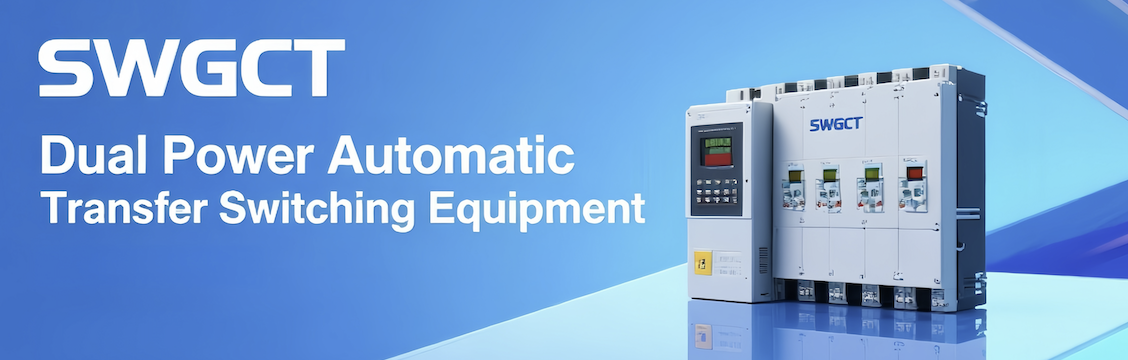
Control and Protection Switchgear refers to a combination of electrical devices used to control, isolate, and protect electrical circuits. It includes components such as circuit breakers, fuses, relays, and disconnect switches.
This system not only manages the flow of electricity but also detects faults and interrupts power when necessary. By doing so, it prevents equipment damage and enhances operational safety.
How Control and Protection Switchgear Works
Switchgear systems continuously monitor electrical parameters such as current and voltage. When abnormal conditions occur, they respond instantly.
Fault Detection Mechanism
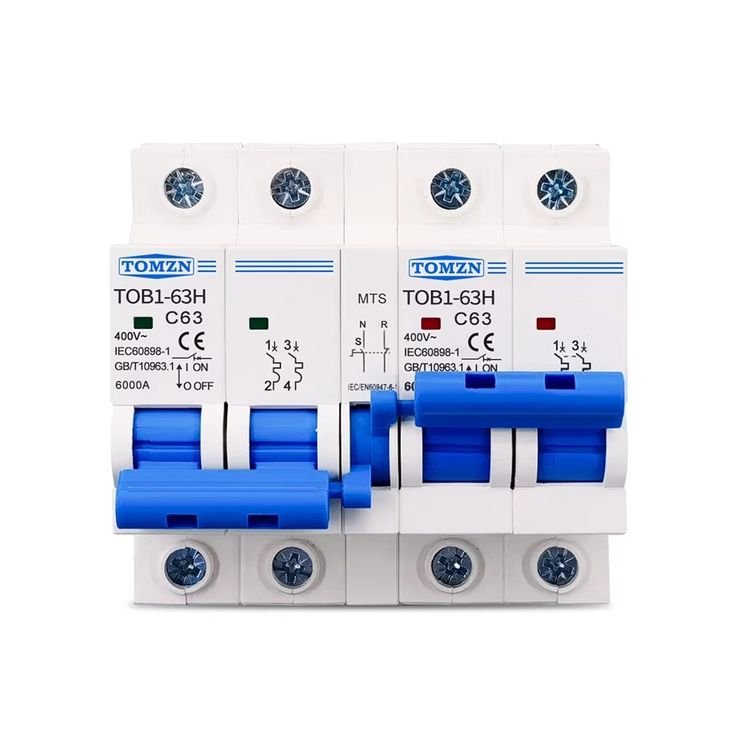
Sensors and relays detect irregularities like overloads or short circuits.
Automatic Isolation Process
Once a fault is detected, the system disconnects the affected section to prevent further damage.
Types of Switchgear Systems
Low Voltage Systems
Used in residential and commercial buildings.
Medium Voltage Systems
Common in industrial facilities and utility networks.
High Voltage Systems
Designed for power transmission and large-scale infrastructure.
Key Components of Switchgear
- Circuit breakers
- Protective relays
- Busbars
- Disconnect switches
- Control panels
Each component contributes to the overall performance of the system.
Applications in Different Industries
Industrial Sector
Protects machinery and ensures continuous production.
Commercial Buildings
Used in offices, malls, and data centers.
Power Generation
Ensures safe distribution of generated electricity.
Benefits of Using Switchgear
Enhanced Safety
Prevents electrical hazards and protects personnel.
Improved Reliability
Ensures uninterrupted power supply.
Efficient Fault Management
Quickly isolates faulty sections to minimize impact.
Common Challenges and Limitations
High Initial Cost
Advanced systems can be expensive to install.
Maintenance Requirements
Regular inspection is necessary for optimal performance.
Switchgear vs Circuit Breakers
| Feature | Switchgear | Circuit Breaker |
|---|---|---|
| Function | Full system control | Fault interruption only |
| Complexity | High | Moderate |
| Application | Industrial | Residential |
Installation Best Practices
- Install in well-ventilated areas
- Ensure proper grounding
- Follow safety standards
Maintenance and Safety Tips
- Conduct regular inspections
- Test protective relays
- Replace worn components
Future Trends in Switchgear Technology
Modern systems are evolving with:
- Smart monitoring
- Remote control capabilities
- Integration with IoT systems
For global standards and guidelines, refer to
👉 https://www.iec.ch/
Buying Guide
When selecting a system, consider:
- Voltage rating
- Environmental conditions
- Safety certifications
Internal Resources
You may also explore:
👉 https://swgct.net/
👉 https://swgct.net/?s=Control+and+Protection+Switchgear&post_type=product&product_cat=0
FAQs
1. What is switchgear used for?
It controls and protects electrical systems from faults.
2. Is switchgear necessary for homes?
Yes, especially in modern electrical setups.
3. How often should it be maintained?
Regular checks are recommended every 6–12 months.
4. What industries use switchgear?
Power, manufacturing, and commercial sectors.
5. Can switchgear prevent electrical fires?
Yes, by isolating faults quickly.
6. What is the lifespan of switchgear?
Typically 20–30 years with proper maintenance.
Conclusion
Control and Protection Switchgear is a cornerstone of modern electrical systems. It ensures safety, improves reliability, and minimizes operational risks. Whether in industrial plants or commercial buildings, investing in the right switchgear system is essential for long-term efficiency and protection.


