



Air Circuit Breaker: Working Principle, Types, Applications, and Selection Guide

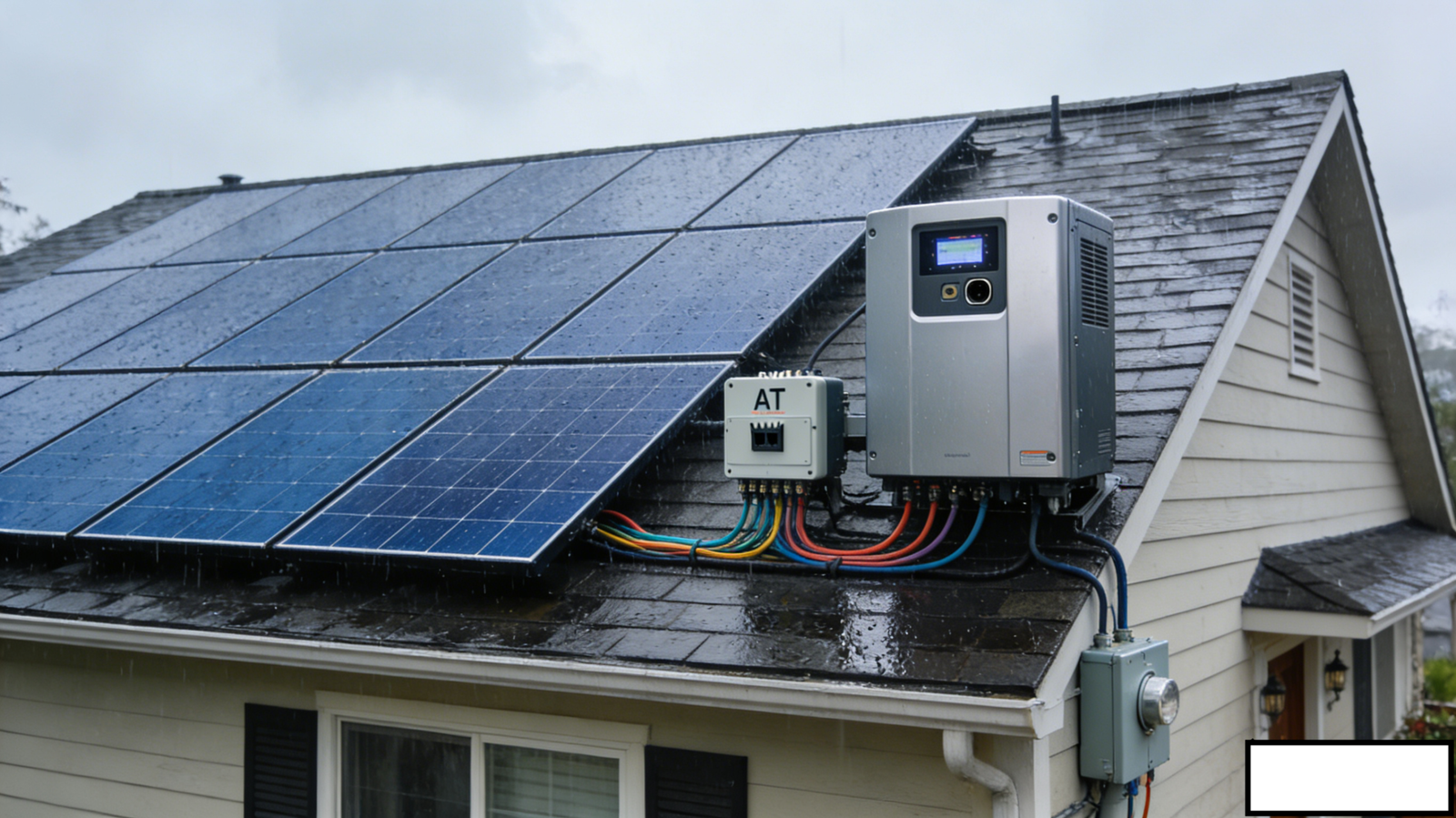
An Air Circuit Breaker (ACB) is a low-voltage circuit breaker that uses air as the medium for extinguishing the electrical arc when a circuit is interrupted. ACBs are commonly used in main distribution systems where high current ratings, reliable switching, and advanced protection functions are required.
Compared with smaller circuit breakers such as MCBs, ACBs are generally designed for larger electrical installations. They can be used in industrial plants, commercial buildings, data centers, infrastructure facilities, and other low-voltage power distribution systems.
This guide explains what an Air Circuit Breaker is, how it works, its main components, applications, advantages, and the factors buyers should consider when selecting an ACB.
What Is an Air Circuit Breaker?
An Air Circuit Breaker, commonly abbreviated as ACB, is an electrical switching and protection device designed primarily for low-voltage power distribution systems.
The term “air” refers to the medium used to extinguish the electrical arc created when the breaker interrupts current.
An ACB can perform several functions, depending on its design and trip unit, including:
- Switching electrical circuits
- Overload protection
- Short-circuit protection
- Isolation
- Protection against other specified abnormal conditions
ACBs are generally used in applications where circuit current is too high or system requirements are too demanding for smaller molded-case or miniature circuit breakers.
For related circuit protection equipment, visit the SWGCT electrical product range.
How Does an Air Circuit Breaker Work?
The operating principle of an ACB involves detecting an abnormal electrical condition and opening the circuit.
A simplified operating sequence is:
Normal current → Fault detection → Trip mechanism operates → Contacts open → Arc forms → Arc is extinguished → Circuit is interrupted
Let’s look at the process in more detail.
1. Normal Operation
Under normal conditions, the ACB contacts remain closed and electrical current flows through the circuit.
The breaker carries the required load current within its specified operating conditions.
2. Fault Detection
The ACB’s protection system monitors electrical parameters.
Depending on the design, the trip unit may detect conditions such as:
- Overload
- Short circuit
- Ground fault
- Other specified abnormal conditions
3. Contact Opening
When the protection system determines that the breaker should trip, the operating mechanism separates the contacts.
As the contacts separate while current is flowing, an electrical arc can form between them.
4. Arc Extinction
The ACB uses its arc-control structure and air medium to extinguish the arc.
Once the arc has been successfully interrupted, current stops flowing through the protected circuit.
Main Components of an Air Circuit Breaker
Although designs vary between manufacturers, a typical ACB can contain several important components.
Main Contacts
The main contacts carry the normal operating current.
They are designed to handle the required electrical load during normal operation.
Arcing Contacts
Arcing contacts help manage the electrical arc during interruption.
Their design can help reduce stress on the main contacts during switching operations.
Arc Chute
The arc chute is an important component of an ACB.
It helps control, divide, cool, and extinguish the arc generated when the breaker contacts open.
Operating Mechanism
The operating mechanism opens and closes the breaker.
Depending on the design, the mechanism can support:
- Manual operation
- Electrical operation
- Remote operation
Trip Unit
The trip unit monitors electrical conditions and initiates breaker operation when specified protection thresholds are exceeded.
Depending on the ACB, protection functions may include:
- Long-time protection
- Short-time protection
- Instantaneous protection
- Ground-fault protection
The exact functions depend on the model and trip-unit configuration.
Types of Air Circuit Breakers
ACBs can be classified in several ways.
Fixed Type ACB
A fixed ACB is installed in a permanent position within the switchboard.
This configuration may be suitable for applications where frequent removal or replacement is not required.
Draw-Out ACB
A draw-out ACB can be moved between different positions within a compatible switchgear assembly.
Common positions may include:
- Connected
- Test
- Disconnected
This configuration can simplify maintenance and inspection compared with a permanently fixed installation, depending on the switchgear design.
Electrically Operated ACB
An electrically operated ACB can be integrated into an automated electrical system.
It may support:
- Remote opening
- Remote closing
- Automatic control
- Monitoring
- Power management systems
This can be useful in industrial facilities and critical infrastructure.
Air Circuit Breaker Applications
ACBs are commonly used in systems where high current and advanced protection are required.
Industrial Facilities
Factories can use ACBs for main electrical distribution.
Potential applications include:
- Main incoming protection
- Generator protection
- Transformer secondary protection
- Busbar protection
- Large distribution panels
Industrial facilities often require coordinated protection between the main ACB and downstream circuit breakers.
Commercial Buildings
Large commercial facilities may use ACBs in main distribution equipment.
Examples include:
- Office buildings
- Hotels
- Shopping centers
- Large retail facilities
- Public buildings
ACBs can serve as incoming or main distribution breakers within a low-voltage switchboard.
Data Centers
Data centers have demanding power distribution requirements.
An ACB may be used in:
- Main switchboards
- Generator distribution
- UPS distribution
- Busbar systems
The specific configuration depends on the facility’s electrical architecture and redundancy strategy.
Infrastructure Projects
Infrastructure facilities can also require high-current low-voltage protection.
Applications may include:
- Transportation facilities
- Utility installations
- Telecommunications infrastructure
- Water treatment facilities
Air Circuit Breaker vs MCCB
One of the most common questions is the difference between an ACB and an MCCB.
| Feature | ACB | MCCB |
|---|---|---|
| Typical application | Main distribution | Feeder and branch circuits |
| Current range | Generally higher | Generally lower to medium |
| Installation | Switchboards | Panels and distribution systems |
| Trip functions | Often more advanced | Depends on model |
| Draw-out option | Common in many designs | Less typical |
| Remote operation | Available on many models | Available on some models |
| Main distribution | Common | Also possible |
| Size | Generally larger | Generally more compact |
These are general distinctions rather than absolute rules. The actual specifications depend on the product family and manufacturer.
Air Circuit Breaker vs MCB
An MCB is typically designed for smaller electrical circuits, while an ACB is generally used for much larger low-voltage distribution applications.
MCBs are commonly found in:
- Residential distribution
- Small commercial systems
- Lighting circuits
- Socket circuits
ACBs are more commonly used for:
- Main distribution
- Industrial power systems
- Large commercial installations
- Generator distribution
For related circuit protection products, see the SWGCT circuit breaker product range.
Important Air Circuit Breaker Specifications
Selecting an ACB requires careful consideration of technical specifications.
Rated Current
The rated current indicates the current the breaker is designed to carry under specified conditions.
The selected rating should correspond to the electrical system and expected load.
Rated Voltage
The ACB must be appropriate for the system voltage.
Always check the manufacturer’s technical documentation for the applicable voltage ratings.
Breaking Capacity
Breaking capacity is one of the most important specifications.
It indicates the fault current level the ACB is designed to interrupt safely under specified test conditions.
The breaker should be selected according to the prospective short-circuit current of the installation.
Number of Poles
ACBs may be available in different pole configurations depending on the electrical system.
The appropriate configuration depends on the system design and grounding arrangement.
Trip Unit
The trip unit determines the available protection functions.
Some ACBs provide adjustable protection settings, allowing engineers to coordinate the breaker with other protective devices.
Installation Type
Buyers should determine whether they require:
- Fixed ACB
- Draw-out ACB
The choice depends on the switchboard design, maintenance requirements, and operating strategy.
Air Circuit Breaker Protection Functions
Modern ACBs can provide multiple layers of overcurrent protection.
Long-Time Protection
Long-time protection is generally associated with overload conditions that persist over time.
Short-Time Protection
Short-time protection can respond to higher fault currents while allowing a specified delay for coordination with downstream devices.
Instantaneous Protection
Instantaneous protection can respond rapidly to very high fault currents.
Ground-Fault Protection
Some ACBs provide ground-fault protection as part of their trip-unit functionality.
The availability and adjustment of these functions depend on the specific product.
How to Select an Air Circuit Breaker
Choosing the right ACB requires more than selecting a current rating.
1. Determine the System Voltage
Start by confirming the electrical system voltage.
The breaker must be rated appropriately for the system.
2. Calculate the Required Current
Determine the expected operating load and select an appropriate current rating.
Avoid selecting equipment based only on the current load without considering the overall electrical design.
3. Determine the Fault Current
The prospective short-circuit current should be considered when selecting the ACB’s interrupting capability.
This is essential for proper protection design.
4. Choose the Appropriate Trip Unit
Consider which protection functions are required.
For example:
- Long-time
- Short-time
- Instantaneous
- Ground fault
The required functions depend on the system design.
5. Consider Fixed or Draw-Out Installation
A fixed ACB may be suitable for straightforward installations.
A draw-out ACB may be preferable where testing, maintenance, and replacement strategies require greater accessibility.
6. Check Communication Requirements
Some modern ACBs can integrate with monitoring or energy-management systems.
If remote monitoring is required, check the available communication and auxiliary functions before purchasing.
How to Choose an Air Circuit Breaker Manufacturer
For distributors, contractors, and OEM buyers, selecting a reliable manufacturer is just as important as choosing the correct technical specification.
Consider the following factors.
Manufacturing Capability
Ask about:
- Production facilities
- Testing equipment
- Manufacturing processes
- Engineering resources
- Production capacity
Quality Control
A supplier should have documented procedures covering:
- Incoming materials
- Assembly
- Electrical testing
- Final inspection

Standards and Certifications
The applicable requirements depend on the target market and product.
The International Electrotechnical Commission (IEC) publishes international electrical standards.
For North American markets, buyers can also consult UL Solutions regarding relevant safety standards and certification.
Always verify that certification documentation applies to the exact ACB model being purchased.
Benefits of Using Air Circuit Breakers
High-Current Protection
ACBs are suitable for high-current low-voltage distribution applications.
Advanced Protection
Depending on the trip unit, an ACB can provide multiple adjustable protection functions.
Main Distribution Applications
ACBs are commonly used in main switchboards and incoming feeders.
Remote Operation
Certain models support electrical opening and closing, enabling integration with automated systems.
Maintenance Options
Draw-out configurations can provide practical advantages for inspection and maintenance when properly integrated into a compatible switchboard.
Common Mistakes When Buying an ACB
Choosing Only by Rated Current
Current rating alone does not determine whether an ACB is appropriate.
Buyers should also consider:
- Voltage
- Breaking capacity
- Trip functions
- Installation type
- Environmental conditions
Ignoring Short-Circuit Levels
The ACB’s interrupting capability must be appropriate for the electrical system’s prospective fault current.
Selecting the Wrong Trip Settings
Incorrect protection settings can affect coordination and system performance.
Protection settings should be established according to the electrical system design.
Not Checking Accessories
Some projects require accessories such as:
- Auxiliary contacts
- Shunt trips
- Undervoltage releases
- Motor operators
- Communication modules
Confirm accessory requirements before ordering.
Frequently Asked Questions
What is an Air Circuit Breaker?
An Air Circuit Breaker is a low-voltage circuit breaker that uses air as the arc-extinguishing medium and is commonly used for high-current electrical distribution and protection.
How does an ACB work?
An ACB detects specified abnormal electrical conditions through its protection system and opens its contacts to interrupt current. The resulting electrical arc is controlled and extinguished using the breaker’s arc-control system.
What is an ACB used for?
ACBs are commonly used in main low-voltage distribution systems, industrial plants, commercial buildings, data centers, infrastructure, and generator or transformer distribution.
What is the difference between an ACB and an MCCB?
ACBs are generally used for higher-current main distribution applications and can provide advanced protection and draw-out configurations. MCCBs are typically more compact and are commonly used for feeder and branch-circuit protection.
Is an ACB suitable for industrial applications?
Yes. ACBs are widely used in industrial low-voltage distribution systems where high current ratings and advanced protection functions are required.
What is a draw-out ACB?
A draw-out ACB is designed to move within a compatible switchgear assembly between positions such as connected, test, and disconnected. This can facilitate maintenance and testing.
What should I consider when selecting an ACB?
Important factors include rated voltage, rated current, breaking capacity, trip-unit functions, pole configuration, installation type, accessories, communication requirements, and applicable standards.
Can an ACB be operated remotely?
Many ACB models can be equipped with electrical operating mechanisms and accessories for remote opening, closing, monitoring, or control. The exact capabilities depend on the model.
Conclusion
An Air Circuit Breaker is an important component in high-current low-voltage power distribution systems. It can provide switching, isolation, and multiple protection functions while supporting applications ranging from industrial plants to commercial buildings and critical infrastructure.
When selecting an ACB, buyers should look beyond the rated current. Voltage, breaking capacity, trip-unit functions, installation type, accessories, communication capabilities, and applicable standards all need to match the electrical system.
For businesses sourcing circuit protection and power distribution equipment, choosing an experienced manufacturer can also simplify product selection, technical communication, customization, and long-term procurement.
Explore the SWGCT electrical product range for circuit protection and other electrical equipment used in power distribution applications.


