



3 Phase Automatic Transfer Switch: Complete Guide for Reliable Power Transfer

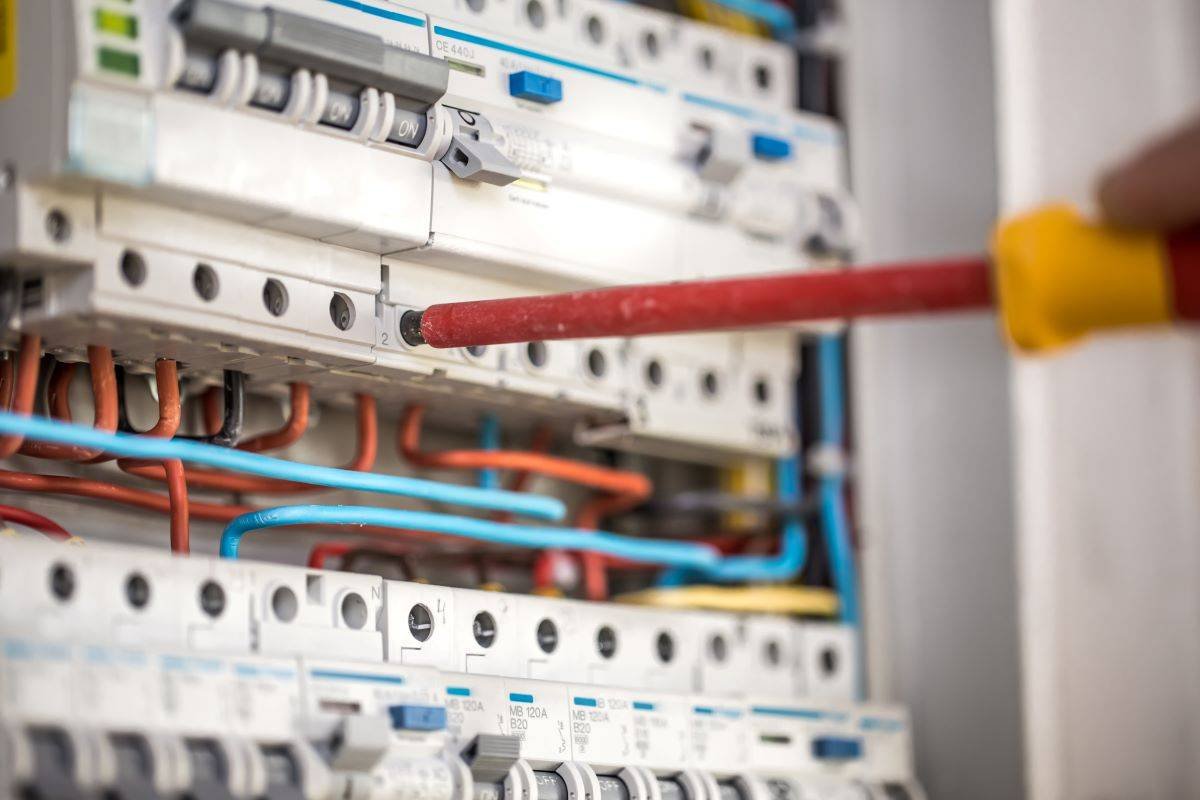
Introduction to 3 Phase Automatic Transfer Switch
A 3 phase automatic transfer switch is one of the most important components in modern power distribution systems. It automatically transfers electrical loads between the primary utility supply and a backup power source, such as a generator, whenever a power interruption occurs.
In industrial facilities, commercial buildings, hospitals, data centers, and manufacturing plants, even a brief power outage can result in costly downtime. A three-phase automatic transfer switch helps maintain continuous operation by ensuring a fast and reliable transition between power sources.
As organizations increasingly depend on uninterrupted electricity, the demand for intelligent ATS solutions continues to grow across various industries.

What Is a 3 Phase Automatic Transfer Switch?
A 3 phase automatic transfer switch (ATS) is an electrical switching device designed to monitor incoming utility power. When a power failure, voltage drop, or frequency abnormality is detected, the switch automatically transfers the electrical load to an alternative power source.
Once utility power is restored and stabilized, the ATS safely transfers the load back to the main supply.
Unlike manual transfer switches, automatic systems require no operator intervention, making them ideal for critical applications.
Main Functions
- Monitor utility power continuously
- Detect outages or voltage abnormalities
- Start backup generators automatically
- Transfer electrical loads safely
- Restore normal power operation automatically
How a Three-Phase Automatic Transfer Switch Works
The operation of a three-phase ATS follows a straightforward sequence:
Step 1: Utility Power Monitoring
The controller continuously monitors:
- Voltage
- Frequency
- Phase sequence
- Phase loss
Step 2: Fault Detection
When the utility supply falls outside preset parameters, the ATS initiates a transfer sequence.
Step 3: Generator Startup
The backup generator receives a start signal and begins producing power.
Step 4: Load Transfer
After the generator reaches stable operating conditions, the ATS transfers the electrical load.
Step 5: Return to Utility Power
Once the main power supply returns and remains stable, the ATS switches the load back to utility power.
Key Components of an ATS Switch
Controller Unit
Acts as the brain of the system and manages all transfer operations.
Power Contacts
Connect and disconnect power sources safely.
Monitoring Sensors
Measure electrical conditions and detect abnormalities.
Mechanical Interlock
Prevents simultaneous connection of utility and generator power.
Communication Interface
Modern ATS units may support remote monitoring and management.
Benefits of Using a 3 Phase Automatic Transfer Switch
Uninterrupted Power Supply
The primary advantage is maintaining continuous operation during power outages.
Improved Equipment Protection
Sensitive machinery and electronics are protected from sudden power loss.
Enhanced Safety
Automatic operation reduces human error during emergency situations.
Reduced Downtime
Businesses can continue operating without lengthy interruptions.
Compliance with Industry Standards
Many critical facilities require backup power systems to comply with safety regulations.
Applications of Three-Phase ATS Systems
Manufacturing Facilities
Production lines often operate continuously and require reliable backup power.
Data Centers
Servers and networking equipment depend on uninterrupted electricity.
Hospitals
Medical equipment and life-support systems cannot tolerate outages.
Commercial Buildings
Shopping centers, office towers, and hotels use ATS systems to ensure business continuity.
Renewable Energy Installations
Solar and hybrid power systems frequently incorporate automatic transfer technology.
Types of Automatic Transfer Switches
Open Transition ATS
Often called a “break-before-make” transfer.
Benefits include:
- Lower cost
- Simpler design
- Common industrial application
Closed Transition ATS
Allows momentary overlap between power sources.
Advantages include:
- Near-zero interruption
- Smooth transfer
- Suitable for sensitive loads
Delayed Transition ATS
Includes a programmed pause between power sources.
Used where additional safety is required.
Selecting the Right 3 Phase Automatic Transfer Switch
Several factors should be evaluated before purchasing.
Current Rating
The ATS must handle the maximum expected load.
Voltage Requirements
Ensure compatibility with the electrical system.
Transfer Time
Critical facilities often require faster switching capabilities.
Environmental Conditions
Consider:
- Temperature
- Humidity
- Dust exposure
- Outdoor installation requirements
Monitoring Features
Modern systems offer:
- Remote diagnostics
- Event logging
- Mobile monitoring
- Smart communication protocols
Circuit Protection Requirements
A transfer switch should always be paired with reliable circuit protection devices.
High-quality circuit breakers help prevent:
- Overloads
- Short circuits
- Equipment damage
- Fire hazards
For industrial-grade circuit protection solutions, visit:
👉 SWG Circuit Breaker Products
This internal resource provides various electrical protection products suitable for power distribution and transfer systems.
Maintenance Best Practices
Regular maintenance helps ensure long-term reliability.
Recommended Inspections
- Visual inspection every month
- Electrical testing every six months
- Contact cleaning annually
- Controller diagnostics annually
Common Issues
- Contact wear
- Loose connections
- Controller faults
- Battery failure in backup systems
Routine servicing can significantly extend equipment lifespan.
Industry Standards and Certifications
Many ATS products comply with international standards.
Examples include:
Compliance helps ensure safety, performance, and regulatory approval.
Frequently Asked Questions
What is a 3 phase automatic transfer switch?
It is a device that automatically transfers electrical loads between utility power and a backup source when an outage occurs.
How fast does an ATS switch operate?
Most systems transfer within a few seconds depending on configuration.
Can an ATS work with generators?
Yes. ATS systems are commonly integrated with diesel and gas generators.
Is a three-phase ATS necessary for industrial facilities?
For most industrial applications, it is highly recommended to maintain operational continuity.
How often should an ATS be tested?
Most manufacturers recommend monthly functional testing and annual comprehensive inspections.
What is the difference between an ATS and a manual transfer switch?
An ATS performs transfers automatically, while a manual switch requires operator intervention.
Conclusion
A 3 phase automatic transfer switch is an essential component for facilities that depend on continuous electrical power. By automatically transferring loads between utility power and backup sources, these systems improve reliability, reduce downtime, and enhance operational safety.
Whether used in hospitals, factories, commercial buildings, or data centers, a properly selected ATS can provide long-term protection and peace of mind. Combined with quality circuit protection solutions available from SWG Product Category, organizations can build a resilient and dependable power infrastructure.