



Single Phase Automatic Transfer Switch: Complete Guide to Reliable Backup Power

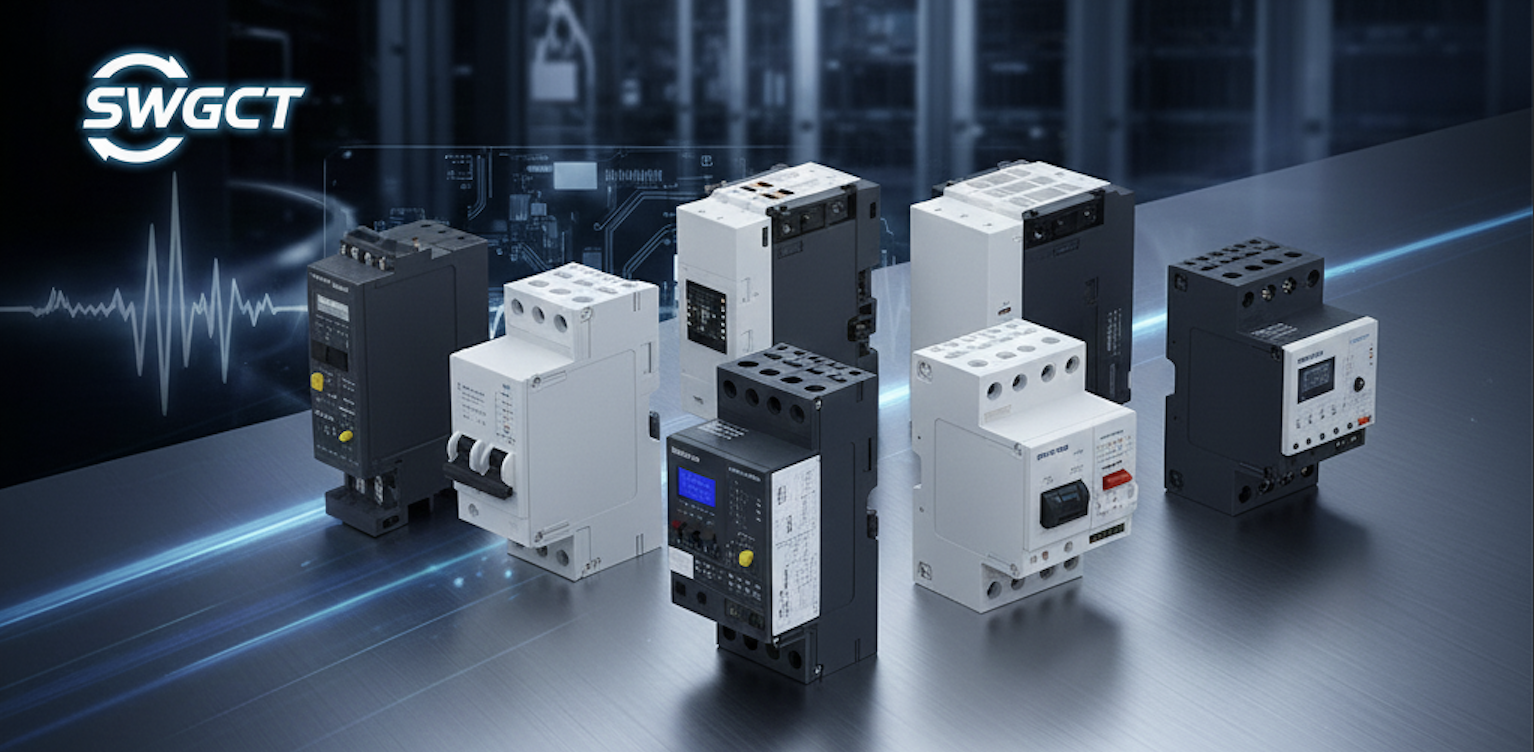
Introduction to Single Phase Automatic Transfer Switch
A single phase automatic transfer switch is an essential component in modern backup power systems. It automatically transfers electrical loads from the primary utility source to a backup power source, such as a generator or inverter, whenever a power interruption occurs. This seamless switching process helps maintain continuous power for homes, offices, small businesses, telecommunications equipment, and critical electrical devices.
As power reliability becomes increasingly important, many property owners are investing in a single phase ATS to minimize downtime and protect valuable equipment. Whether used in residential buildings or commercial facilities, these devices provide convenience, safety, and peace of mind during unexpected outages.
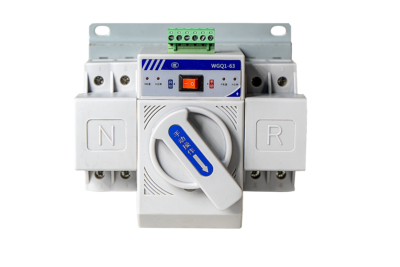
What Is a Single Phase Automatic Transfer Switch?
A single phase automatic transfer switch is an intelligent switching device that monitors the availability of utility power. When a power failure occurs, the switch automatically disconnects the load from the main supply and connects it to a backup source.
Once utility power returns and stabilizes, the device transfers the load back to the primary source without requiring manual intervention.
Main Functions
- Monitor utility power continuously
- Detect power failures automatically
- Start backup generators when required
- Transfer electrical loads safely
- Restore utility connection after power recovery
- Prevent simultaneous connection of two power sources
This automatic operation makes the device significantly more convenient than manual transfer switches.
How a Single Phase ATS Works
The operation of a single phase transfer switch follows a simple sequence:
Normal Operation
Under normal conditions:
- Utility power supplies the load
- Generator remains inactive
- ATS continuously monitors voltage levels
Power Failure Detection
When utility power is interrupted:
- ATS detects voltage loss
- Generator start signal is sent
- Generator reaches operating voltage
Automatic Transfer
After generator stabilization:
- Utility source is disconnected
- Backup source is connected
- Electrical loads continue operating
Power Restoration
When utility power returns:
- ATS verifies voltage stability
- Load transfers back to utility power
- Generator enters cooldown mode
- System returns to standby status
Key Components of a Single Phase Automatic Transfer Switch
Several critical components work together to ensure reliable operation.
Controller Module
The controller monitors voltage, frequency, and timing functions.
Power Contacts
Heavy-duty contacts perform the actual switching between power sources.
Mechanical Interlock
This safety feature prevents both sources from connecting simultaneously.
Voltage Sensors
Sensors continuously monitor incoming power quality.
Generator Control Circuit
Coordinates communication between ATS and backup generators.
Benefits of Using a Single Phase Automatic Transfer Switch
Improved Power Reliability
Automatic switching significantly reduces power interruptions.
Enhanced Equipment Protection
Sensitive devices such as computers, servers, and medical equipment benefit from uninterrupted power.
Reduced Downtime
Businesses can continue operating during utility outages.
Increased Safety
Automatic switching eliminates human error associated with manual changeovers.
Convenient Operation
No operator intervention is required during power failures.
Common Applications of Single Phase Automatic Transfer Switches
Residential Buildings
Homeowners frequently install automatic power transfer switches to support:
- Lighting systems
- Refrigerators
- Air conditioning units
- Security systems
- Home offices
Commercial Buildings
Businesses use these switches for:
- Retail stores
- Offices
- Restaurants
- Small manufacturing facilities
Telecommunication Systems
Continuous power is critical for communication networks and internet infrastructure.
Healthcare Facilities
Small clinics and healthcare centers often rely on ATS systems to support essential equipment.
Choosing the Right Single Phase Automatic Transfer Switch
Selecting the proper model depends on several factors.
Current Rating
The switch must handle the total connected load safely.
Typical ratings include:
| Application | Current Rating |
|---|---|
| Residential | 40A–100A |
| Small Commercial | 100A–200A |
| Industrial Support | 200A+ |
Voltage Compatibility
Ensure compatibility with local electrical systems.
Transfer Time
Faster transfer times improve equipment protection.
Generator Compatibility
Verify communication compatibility with the intended generator model.
Single Phase Automatic Transfer Switch and Circuit Protection
A transfer switch should always be paired with reliable circuit protection devices.
Proper circuit breakers protect:
- ATS equipment
- Generators
- Electrical distribution systems
- Connected loads
For high-quality circuit breaker solutions and electrical protection products, visit:
Internal Link:
https://swgct.net/product-category
You can also explore circuit breaker standards and electrical safety resources from:
Outbound Link:
https://www.iec.ch
Outbound Link:
https://www.nema.org
These organizations provide valuable guidance on electrical equipment performance and safety requirements.
Installation Considerations
Proper installation ensures long-term reliability.
Location Selection
Install the switch in:
- Dry environments
- Ventilated electrical rooms
- Easily accessible locations
Professional Installation
Electrical installation should always follow local codes and standards.
Regular Testing
Periodic testing confirms system readiness during emergencies.
Maintenance Best Practices
Preventive maintenance improves service life.
Routine Inspection
Inspect:
- Wiring connections
- Contact surfaces
- Control circuits
- Indicator lights
Operational Testing
Perform scheduled transfer tests to verify proper operation.
Cleaning
Remove dust and debris from the enclosure and ventilation openings.
Future Trends in Automatic Transfer Switch Technology
The next generation of ATS systems includes:
Smart Monitoring
Remote monitoring through mobile applications and cloud platforms.
IoT Integration
Real-time performance tracking and predictive maintenance.
Energy Management Features
Advanced ATS systems can optimize energy consumption across multiple power sources.
Renewable Energy Compatibility
Modern systems increasingly support:
- Solar power systems
- Battery storage solutions
- Hybrid energy installations
Frequently Asked Questions
What is a single phase automatic transfer switch used for?
It automatically switches electrical loads between utility power and backup power during outages.
Can a single phase ATS work with solar systems?
Yes. Many modern transfer switches support solar and battery backup systems.
How long does the transfer process take?
Most systems transfer power within a few seconds after detecting an outage.
Is professional installation necessary?
Yes. Installation should comply with electrical safety regulations and local codes.
What size ATS should I choose?
The correct size depends on the total electrical load and generator capacity.
How often should an ATS be tested?
Most manufacturers recommend monthly or quarterly operational testing.
Conclusion
A single phase automatic transfer switch is one of the most effective solutions for maintaining uninterrupted power during utility outages. By automatically transferring electrical loads between primary and backup power sources, it improves reliability, protects sensitive equipment, and minimizes downtime.
Whether for residential, commercial, or light industrial applications, investing in a high-quality ATS system can provide long-term operational security. When designing a complete backup power solution, pairing the ATS with dependable circuit protection products is equally important. Explore professional electrical protection equipment at https://swgct.net/product-category to support a safer and more reliable power distribution system.


